Read on the Guardian
Controversial African Charter on Family Values Moves Forward Amid Rights Concerns
A draft African charter on family, sovereignty and values has advanced, alarming human rights groups. The treaty, discussed at a conference in Ghana, rejects key international obligations, including the Maputo Protocol, and frames sexual and reproductive health rights as an existential threat to the African family. Critics warn it could roll back decades of progress on women's and LGBTQ+ rights across the continent.
The push for a continent-wide legal framework rooted in conservative family values has taken a significant step forward as African lawmakers met in Ghana to advance a draft charter that sharply contradicts established international human rights norms. The draft African charter on family, sovereignty and values, reviewed by the Guardian, asserts that African values and culture are under assault from foreign ideologies, particularly those related to sexual and reproductive health and rights.

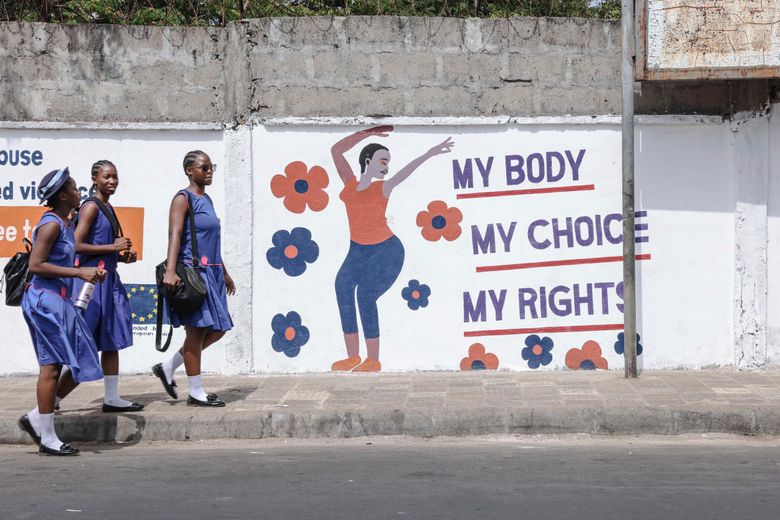
The document urges African states to withdraw from any international agreements that conflict with its principles, notably the 2003 Maputo Protocol, a landmark treaty that promotes gender equality and protects the reproductive and health rights of women and girls. This represents the first attempt to impose a continent-wide legal framework based on a moralistic, rather than a rights-based, approach.
Key Provisions of the Draft Treaty
The charter characterises sexual and reproductive health and rights as an existential threat to the African family and falsely alleges that policies based on these rights promote abortion on demand. It also explicitly rejects comprehensive sex education (CSE), which it claims is used to sexualise children. Furthermore, the document asserts that gender is strictly binary—either male or female—and declares that parental rights should override a child's rights, including on matters of sexuality and discipline.
The definition of the family within the charter is based exclusively on heterosexual marriage, a stance that critics argue ignores the vast diversity of family structures found across Africa's 54 nations. The Initiative for Strategic Litigation in Africa (ISLA), a pan-African feminist group, argues that prioritising the family over the individual could legitimise the subordination of women and children and shield private family relations from state accountability in cases of violence or discrimination.
Condemnation from Rights Groups and Legal Experts
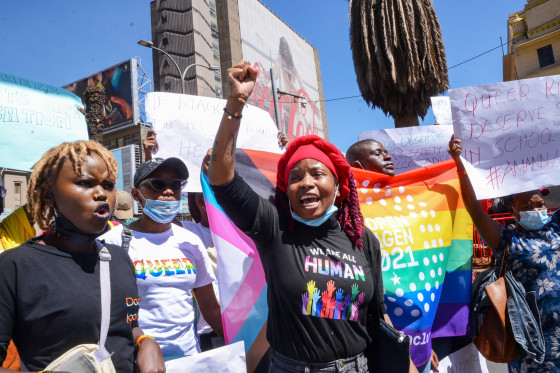
African legal experts, reproductive rights advocates, and LGBTQ+ organisations have strongly condemned the charter. Gilbert Mitullah, a Kenyan lawyer and board member of the Queer African Network, described it as a licence to oppose and regress on existing commitments regarding sexual and reproductive health and LGBTQ+ rights, effectively aiming to dismantle the Maputo Protocol from within. He noted that the charter functions as a tool for this purpose even before any official signatures are collected.
Famia Nkansa, from the Sierra Leone-based organisation Purposeful, views the charter as an extension of the same colonial playbook, using Africa as a battleground for ideological wars originating in the West. The charter's language has been linked to the influence of conservative Christian organisations from the US and Europe, which have historically opposed abortion and LGBTQ+ rights and frame progressive policies as neocolonialism.
Path to the African Union General Assembly
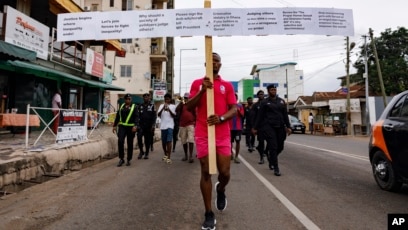
The draft charter was developed by a core group of African lawmakers, led by Ugandan government ministers, during the annual inter-parliamentary conference on family values and sovereignty. The 2026 conference, held in Ghana for the first time and attended by representatives from 20 countries, aimed to build sufficient support to present the charter to the African Union general assembly in February 2027 for a vote. Organisers have framed the initiative as a sovereign defence against foreign ideological imposition, though critics point out the significant external influence from US-based conservative groups in shaping the charter's content.
As the charter moves toward the AU assembly, the debate highlights a growing tension between national sovereignty claims and the protection of individual rights, with significant implications for the future of gender equality and human rights across the continent.