Read on the Guardian
Ghana's Anti-LGBTQ+ Bill Sparks Fear and Uncertainty Among Community Members
Ghana's parliament has passed a sweeping anti-LGBTQ+ bill criminalizing identity and promotion of activities, with prison sentences of three to ten years. Community groups report widespread fear among LGBTQ+ individuals who worry about losing homes, jobs, and access to healthcare. The legislation expands upon existing colonial-era bans and targets both LGBTQ+ people and their allies. President John Dramani Mahama is expected to sign the bill into law, though rights organizations are preparing legal challenges.
Ghana's LGBTQ+ community is gripped by fear and uncertainty after parliament approved a sweeping bill that criminalizes identifying as lesbian, gay, bisexual, transgender or queer, along with promoting LGBTQ+ activities. The Human Sexual Rights and Family Values Bill, passed on Friday, mandates prison sentences ranging from three to ten years for those convicted under its provisions. Community organizations report that many individuals are now reviewing and deleting their online presence, fearing their identities could be exposed under the new law.
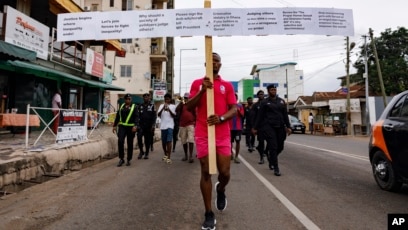
Leila Lariba, director of One Love Sisters Ghana, an organization supporting lesbian and bisexual women, described the atmosphere as one of panic. "People are panicking and scared. The new bill affects where you are staying; it can get you evicted; it can lead you to lose your job," she said. "No matter how safe you think you are, you do not know who's ready to talk." Her organization is advising community members to prioritize safety by removing potentially incriminating content from social media platforms and remaining cautious about their digital footprint.
The legislation marks a significant expansion of existing laws. While same-sex relations were already prohibited under British colonial-era legislation still on the books in Ghana, those bans were rarely enforced. The new bill goes further by specifically targeting LGBTQ+ identity itself and creating liability for allies, including anyone who provides services, support, or advocacy for the community. It also includes provisions requiring individuals to report suspected LGBTQ+ people to authorities, effectively creating a system of mandated surveillance.
Under the new law, identifying as LGBTQ+ carries a potential three-year prison sentence. More severe penalties of up to ten years apply to those convicted of "promotion of, propagation of, advocacy for, support or funding of" LGBTQ-related activities. While last-minute amendments exempt healthcare professionals and lawyers from prosecution for providing services to LGBTQ+ individuals, activists argue that the stigma generated by the legislation will likely deter people from seeking essential help, including HIV testing or support for discrimination cases.
Context and Political Dynamics
The bill's passage comes during a period of heightened attention to LGBTQ+ issues across Africa. Ghana is hosting the fourth African Inter-Parliamentary Conference on Family Values and Sovereignty in Accra from June 3-6, marking the first time the event has been held in the country after three years hosted by Uganda. Rights organizations note the conference has become a platform for influencing policies related to sexual and reproductive health rights across the continent, with parliamentarians from different African countries strengthening coordination on "family values" legislation.
Ebenezer Peegah, director of Rightify Ghana, an LGBTQ+ rights organization, characterized the timing as deliberate. "We know that this is not an attack only on LGBT communities in Ghana. It is an attack on the entire LGBT community in Africa. That's why we believe it will quickly be signed, just like the Ugandan president did when they hosted this same conference," he said. Uganda's notoriously harsh anti-LGBTQ+ legislation, which includes the death penalty for "aggravated homosexuality," was signed into law by President Yoweri Museveni shortly after the inaugural conference in 2023.
The bill's sponsor, Reverend John Ntim Fordjour, argued during parliamentary debate that the proposed law would protect Ghanaian family and cultural values. However, critics contend that the legislation fundamentally threatens human rights and fundamental freedoms. Peegah noted that his organization has already received 80 cases from members this year alone, including instances of exposure, abuse, or eviction. Some community members are asking how to leave the country, though Peegah expressed concern about limited international support.
Regional Trends and Legal Challenges
The Ghanaian bill reflects a broader pattern across West Africa. Senegal introduced a law in March that doubled the maximum prison term to ten years for same-sex sexual acts and criminalized the "promotion" of homosexuality. Burkina Faso, previously considered relatively safe for the gay community, passed a law criminalizing homosexuality last year. These developments signal a worrying trend for human rights defenders across the region.
A coalition of organizations led by Rightify Ghana is preparing to challenge the legislation in court. Their legal arguments center on the undue speed at which the bill passed through its second and third readings and potential procedural violations, including claims that the quorum of MPs had not been met when the vote was held. The proposed law has also drawn criticism from international rights organizations, including Human Rights Watch, which said the legislation puts people's lives at risk while "encouraging citizens to surveil and denounce one another."
President John Dramani Mahama is expected to sign the bill into law, following a similar pattern seen in 2024 when his predecessor Nana Akufo-Addo left office without signing analogous legislation. Despite the challenges, community organizations continue to provide support and guidance to LGBTQ+ individuals navigating the increasingly hostile legal environment. The situation remains fluid as legal challenges proceed and as the international community responds to Ghana's evolving human rights landscape.