Escalating Conflict: Rising Casualties in Lebanon Amid Regional Tensions
Recent reports from Lebanon's Health Ministry indicate a devastating toll from ongoing Israeli strikes, with 3,637 people killed and 11,188 wounded since March. This article examines the human impact of the escalating conflict, the broader regional dynamics involving the US and Iran, and the urgent need for de-escalation. It synthesizes information from multiple sources, including a live blog from Al Jazeera, to provide a comprehensive overview of the situation as of June 2026, highlighting the plight of Lebanese families and the complex geopolitical landscape.
The conflict in Lebanon has reached a tragic milestone, with the country's Health Ministry reporting that Israeli strikes have killed 3,637 people and wounded 11,188 since March. These figures underscore the severe human cost of the ongoing hostilities, which have displaced thousands of families and placed immense strain on the nation's infrastructure. The situation is part of a broader regional crisis, involving direct confrontations between Israel and Iran, as well as the United States' military posture in the area.

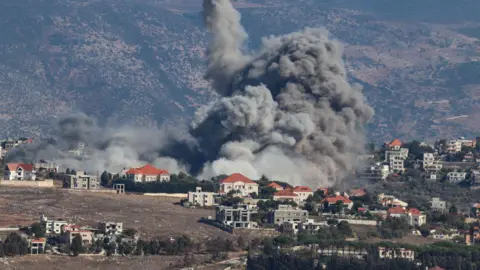
According to a live blog by Al Jazeera, at least 11 people were killed in two separate Israeli attacks on Lebanon's Tyre district on June 9, 2026. These attacks are part of a sustained campaign that has drawn international condemnation and calls for restraint. The same source also notes that the Israeli army chief of staff, Eyal Zamir, has stated that Israel is prepared to launch another "deep strike" on Iran if ordered, indicating a potential expansion of the conflict.
Regional Dynamics and International Reactions
The conflict in Lebanon cannot be viewed in isolation. It is intrinsically linked to the broader tensions between Iran and Israel, as well as the United States' involvement in the region. On the same day as the attacks on Tyre, US Central Command (CENTCOM) launched what it called "self-defense strikes" against targets in Iran, in response to the downing of a US Army Apache helicopter over the Strait of Hormuz. US President Donald Trump initially called for a "very strong" response, though he later downplayed the incident in an interview.
Iran has denied responsibility for the helicopter incident. The country's deputy foreign minister told Al Jazeera that Iran was not behind the attack, while Foreign Minister Abbas Araghchi warned the US to "leave our region if you want to be safe." This rhetoric reflects a deep-seated mutual distrust that has characterized US-Iran relations for decades. The UN has dispatched its personal envoy for the Middle East, Jean Arnault, to Washington, DC, for talks, while Pakistani-mediated negotiations between the US and Iran continue in Islamabad.
Humanitarian Concerns and Civilian Impact
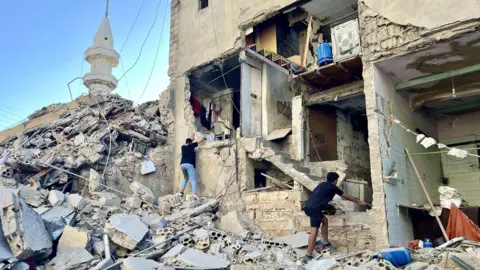
The toll on Lebanese civilians is immense. The Health Ministry's figures likely represent only a fraction of the total casualties, as many areas remain inaccessible due to ongoing fighting. The city of Tyre, a UNESCO World Heritage site, has seen repeated attacks, forcing families to flee their homes. The displacement adds to an already severe humanitarian crisis in Lebanon, which is grappling with economic collapse and political instability.
Amnesty International and Christian Aid have criticized recent UK sanctions against Israeli settler groups, stating they do not go far enough to address the root causes of the violence. The international community's response has been fragmented, with some nations calling for ceasefires while others provide military support to the parties involved.
Conclusion: A Path Forward
The rising death toll in Lebanon is a stark reminder of the urgent need for de-escalation and a return to diplomacy. The conflict has already cost thousands of lives and threatens to draw in more regional and global powers. As the UN envoy shuttles between capitals, the world watches to see if a ceasefire can be brokered. For the families of the victims and the displaced, the hope is that peace will prevail, but the path remains fraught with challenges.