Supreme Court to Review Trump Tariff Legal Challenge in November
The U.S. Supreme Court has agreed to hear former President Donald Trump's appeal regarding lower court rulings that declared some of his tariff policies illegal. The case, scheduled for November review, centers on the legality of tariffs imposed during Trump's administration and could set significant precedents for presidential trade authority. This development marks a critical juncture in the ongoing legal battles surrounding executive power in international trade matters.
The United States Supreme Court has granted former President Donald Trump's request to review lower court decisions that found certain tariff measures implemented during his administration to be unlawful. This significant development, scheduled for November consideration, represents a pivotal moment in the ongoing legal discourse surrounding presidential authority in trade policy.
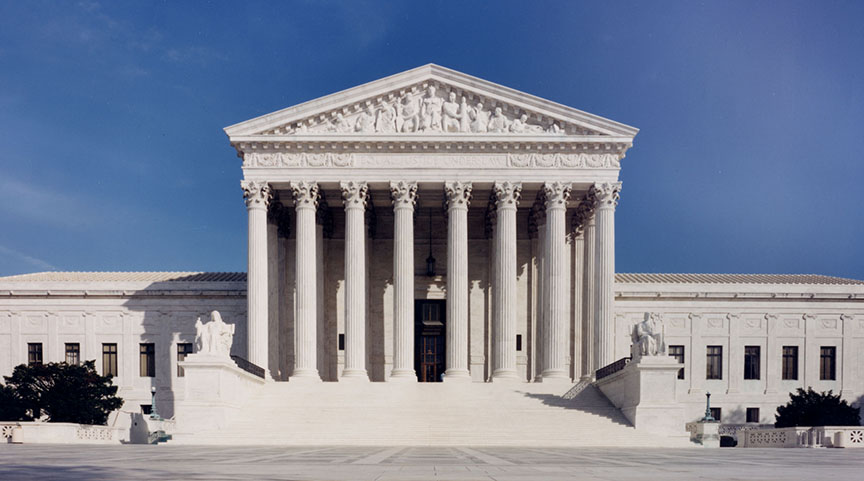
The legal challenge stems from tariff policies enacted by the Trump administration that were subsequently ruled illegal by lower courts. These rulings questioned the constitutional and statutory basis for certain trade measures, creating a legal conflict that now requires Supreme Court resolution. The Court's decision to hear the case indicates the significance of the constitutional questions involved.
Legal Background and Context
The case revolves around the extent of presidential authority in implementing trade tariffs and whether specific measures exceeded statutory limits. Lower courts had determined that some tariffs violated established legal frameworks, prompting the former president's appeal to the nation's highest court. This legal battle highlights the complex interplay between executive power and congressional authority in trade matters.
Implications for Trade Policy
The Supreme Court's review could establish important precedents regarding presidential discretion in trade policy implementation. A ruling in favor of the former president would potentially expand executive authority in trade matters, while an affirmation of lower court decisions would reinforce congressional oversight in tariff implementation. The outcome may influence how future administrations approach trade policy and tariff enforcement.
November Hearing Significance
The November hearing date allows for thorough preparation by both legal teams and provides time for the Court to consider the complex constitutional questions involved. This timeline also positions the case within the broader context of ongoing debates about executive power and trade policy effectiveness. The decision will be closely watched by legal scholars, trade experts, and policymakers alike.
The Supreme Court's involvement underscores the national importance of resolving these legal questions definitively. The ruling will not only address the specific tariff measures in question but may also provide broader guidance on the limits of presidential authority in international trade matters, potentially affecting future trade policy decisions across administrations.