Read on France 24
Kinshasa Shuts Down: The Growing Fears Over a Third Term for DRC's Leader
In a powerful display of civil discontent, the streets of Kinshasa fell silent as citizens heeded a call to protest against potential constitutional reforms that could allow President Félix Tshisekedi to run for a third term. The shutdown reflects deep-seated fears of democratic backsliding in the Democratic Republic of Congo, echoing patterns seen across the continent. Meanwhile, violent xenophobic attacks in South Africa's Western Cape have driven hundreds of foreign nationals from their homes, and Senegalese football fans face a heartbreaking hurdle: visa rejections threatening their dream of attending the World Cup. This article examines these unfolding stories, exploring their implications for regional stability, human rights, and civic engagement.
The Democratic Republic of Congo's capital has been gripped by a tense quiet as residents staged a widespread shutdown to protest against proposed constitutional changes that could enable President Félix Tshisekedi to seek a third term in office. Reports indicate that many in Kinshasa stayed home, participating in a coordinated demonstration of civil society's resolve to safeguard democratic principles. The protest underscores a broader anxiety across the African continent: the trend of leaders extending their time in power through constitutional amendments.
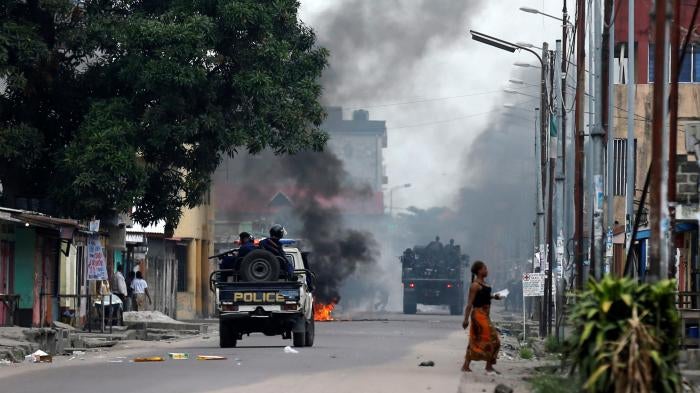
The decision to shut down the city was not a spontaneous event. It was a carefully organized response to the government's announcement of plans to reform the constitution, a move widely viewed as a precursor to a third-term bid. France 24 reports that the protest involved significant participation from the citizenry, reflecting deep discontent with the potential erosion of term limits. This situation mirrors other instances on the continent where leaders have sought to extend their tenure, raising questions about institutional strength and the rule of law.
Xenophobic Violence in South Africa
In a separate but equally alarming development, the Western Cape province of South Africa has seen a spike in xenophobic violence. Groups of locals have reportedly gone door to door, issuing threats to foreign nationals, primarily Malawians and other African migrants. The result has been panic and displacement, with hundreds of people fleeing their homes in search of safety. This wave of hostility highlights the persistent tensions around immigration and economic competition in South Africa, a country that has seen periodic outbreaks of xenophobic attacks over the past decade.
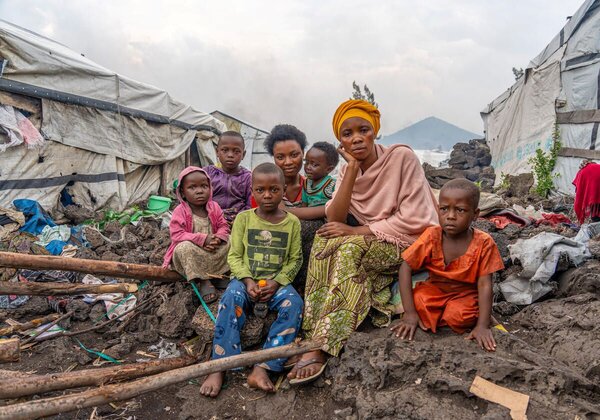
The situation remains fluid, with local authorities struggling to contain the violence and provide protection to vulnerable communities. Human rights organizations have condemned the attacks and called for urgent intervention to prevent further loss of life and property. The pattern of xenophobic violence in South Africa often stems from a complex mix of perceived job competition, crime fears, and social marginalization, which is exploited by elements within local communities.
Senegal's World Cup Dream at Risk
Turning to sports, Senegalese football fans are facing a different kind of obstacle. As they prepare to support their national team at the World Cup, many have found their visa applications systematically rejected since the end of last year. The rejections have caused widespread frustration and anxiety, with supporters worried that they will miss out on the chance to travel and cheer for the Lions of Teranga. The reasons behind the mass rejections remain unclear, but the trend has significantly dampened the excitement surrounding the tournament.

The visa issue adds an unexpected bureaucratic hurdle to what should be a moment of national pride and unity. For many fans, the World Cup is a once-in-a-lifetime opportunity to witness their heroes on the global stage. The systematic nature of the rejections suggests a broader policy or administrative bottleneck, which has not yet been adequately addressed by the authorities involved.
Conclusion
From the silent streets of Kinshasa to the frenzied shelters in South Africa and the anxious queues at visa offices in Senegal, the news from Africa this week paints a picture of a continent grappling with fundamental challenges. The common threads are the resilience of citizens in the face of political and social pressures, and the profound impact of policy decisions on everyday lives. As these stories unfold, they serve as a reminder of the ongoing struggle for democratic integrity, human security, and international mobility.