Read on bbc.com
Iran Signals Escalation: Missile Attacks on Israel Mark Start of Sustained Strikes
Iran has released footage of missiles launched at Israel, declaring its attacks as 'the beginning of a full week of continuous strikes.' This unprecedented move follows the IDF's own military strikes on targets in western and central Iran. The developments come after a two-month ceasefire, marking a significant and dangerous escalation in the long-running shadow war between the two nations. International calls for restraint, including from former US President Donald Trump, highlight the grave risks of a wider regional conflict.
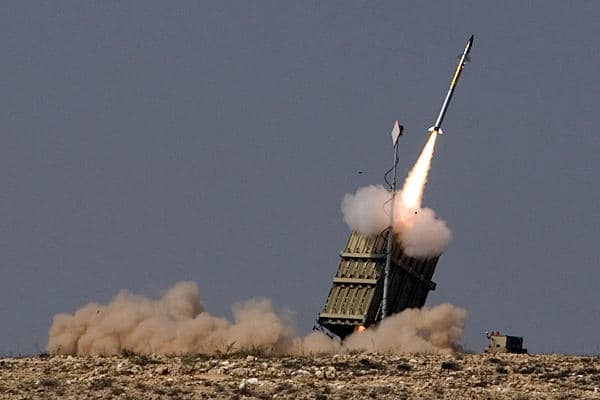
In a dramatic and dangerous escalation of the ongoing shadow conflict between the two nations, Iran has released footage of missiles launched towards Israel, declaring the attacks as 'the beginning of a full week of continuous strikes.' The release of the video, which shows projectiles being fired from what appears to be an Iranian military installation, marks the first time Tehran has publicly and directly claimed a sustained offensive campaign against Israeli territory.

The Israel Defense Forces (IDF) confirmed it had struck military targets in western and central Iran, but provided no specific details regarding the scale of the damage or the exact locations hit. This salvo of attacks represents the first time Iran and Israel have launched direct assaults on each other's territory since a ceasefire came into effect two months ago. The breach of this fragile truce raises serious questions about regional stability and the potential for a full-scale war.
The Escalatory Cycle
The recent exchange of fire signifies a departure from the previous, more indirect methods of confrontation, such as cyberattacks or proxy conflicts. By openly claiming responsibility for a week-long campaign, Iran is signaling a new phase in its strategic posture. This direct action appears to be a response to Israeli strikes, which the IDF stated were aimed at military infrastructure inside Iran.
International Reaction
The international community has reacted with alarm to the rapidly deteriorating situation. Former US President Donald Trump publicly urged Israel not to attack Iran, stating on Sunday that he was going to call Prime Minister Benjamin Netanyahu 'right now and tell him not to retaliate.' This call for restraint from a key ally underscores the gravity of the situation and the widespread fear that the conflict could spiral out of control, drawing in other regional powers and global actors.
What Happens Next?
With Iran declaring a 'full week of continuous strikes' and Israel having already launched attacks deep inside Iranian territory, the region is braced for an unprecedented period of direct military confrontation. The lack of clarity from the IDF on the damage inflicted leaves room for a wide range of potential responses from Iran. The immediate future of the Middle East hinges on whether diplomatic channels can reassert themselves or if both nations are committed to a path of open warfare. The world is watching closely as the situation continues to unfold, with the potential for significant geopolitical and economic consequences.