Read on France 24
Iran and Israel Trade Fire in First Direct Clash Since Ceasefire
On Monday, Iran and Israel attacked each other's territory for the first time since a ceasefire ended five weeks of war. Iran launched a barrage of missiles at Israel overnight, and Israel retaliated by striking military targets in Iran. The exchange has sparked fears of a new full-scale conflict, with Israeli Prime Minister Benjamin Netanyahu apparently defying calls for restraint from his ally, U.S. President Donald Trump. This article analyzes the events, the current geopolitical tensions, and the potential implications for the Middle East.
The fragile calm that followed five weeks of intense conflict between Iran and Israel was shattered on Monday as the two nations engaged in direct military strikes on each other's territory for the first time since a ceasefire was established. The escalation has ignited fears that the region could plunge back into a full-scale war. According to reports, Iran launched a barrage of missiles at Israel overnight, an act that prompted a swift response from Israeli forces, who targeted military sites within the Islamic Republic.
This direct confrontation marks a significant departure from the previous pattern of indirect engagements and proxy conflicts that have characterized the rivalry between the two nations. The latest developments have placed the Middle East on high alert, with international observers and world leaders expressing deep concern over the potential for a broader regional war.
Background of the Ceasefire and Recent Conflict
The ceasefire that was in place had successfully brought a temporary halt to five weeks of open hostility. During that period, the two sides had engaged in significant military operations, causing widespread destruction and loss of life. The truce was seen as a fragile but necessary step toward de-escalation, brokered with the help of international mediators. However, the underlying tensions that fueled the original conflict remained unresolved, creating a volatile situation where a single incident could reignite hostilities.
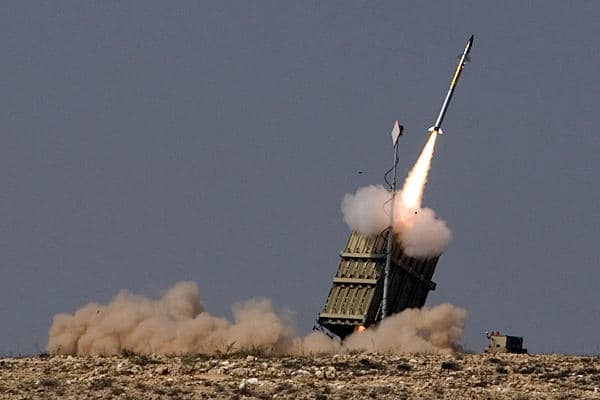
The current exchange of fire began with Iran's missile barrage, which targeted unspecified locations in Israel. Israel's defense systems reportedly intercepted some of the projectiles, but the attack still caused alarm and forced civilians into shelters. In a statement, Israeli officials described the barrage as an unprovoked act of aggression.
The Israeli Response
In retaliation for the Iranian missile attack, Israeli Prime Minister Benjamin Netanyahu ordered a series of precision strikes against military installations inside Iran. These strikes were described by the Israeli military as a direct response to a direct threat and a necessary measure to protect the nation's security.
This decision by Netanyahu appears to defy the advice of his key ally, U.S. President Donald Trump, who had publicly called for restraint on both sides. The move underscores the complexity of the relationship between the two leaders and highlights a potential divergence in their strategic objectives in the Middle East. By striking back, Netanyahu signals that Israel will respond forcefully to any attack on its soil, even if it risks upsetting its most important ally and destabilizing the region further.
Geopolitical Implications
The direct exchange of fire between Iran and Israel has significant implications for the wider Middle East. It threatens to unravel not only the current ceasefire but also the broader diplomatic efforts aimed at stabilizing the region. Neighboring countries and major global powers are now scrambling to contain the situation and prevent a new, potentially more devastating war.

One immediate concern is the impact on the already volatile situations in nearby countries like Lebanon and the West Bank, which have been affected by the previous conflict. The renewal of strikes could escalate proxy conflicts and draw in other actors, turning a bilateral clash into a multi-front crisis. The international community, through the United Nations and other bodies, is likely to push for an immediate resumption of the ceasefire and an end to the current cycle of violence.
US Role and Allied Relations
The United States finds itself in a delicate position as the primary ally of Israel while also seeking to maintain stability in the region. President Trump's call for restraint indicates a desire to avoid being drawn into another Middle Eastern war. However, Israel's decision to act independently could strain the alliance and complicate US diplomatic efforts.
The coming days will be critical in determining whether this clash is a brief spike in tensions or the beginning of a new, larger conflict. The world watches as two of the Middle East's most powerful militaries face off directly, with the hopes of a peaceful resolution hanging in the balance.