Global Economic Leaders Warn of Severe Fallout from US-Israel War Against Iran
The heads of the International Energy Agency (IEA), International Monetary Fund (IMF), and World Bank Group issued a joint warning on Monday, outlining the severe and asymmetric negative impacts of the ongoing war between the United States, Israel, and Iran. In a coordinated statement, the leaders highlighted disruptions to global energy and food markets, rising prices for oil, gas, and fertilizers, and the disproportionate toll on low-income countries and energy importers. The conflict has displaced populations, led to job losses, and crippled export revenues for Middle Eastern producers. Even as shipping through the Strait of Hormuz resumes, the statement cautioned that supplies will take time to stabilize and prices may remain elevated due to damaged infrastructure. The three institutions pledged to coordinate policy advice and financial support, with the IMF and World Bank providing targeted assistance to affected nations. The warning came from a coordination group established on April 1 to manage the economic and energy repercussions of the conflict.
The heads of three of the world's most influential economic institutions—the International Energy Agency (IEA), the International Monetary Fund (IMF), and the World Bank Group—issued a stark joint warning on Monday regarding the escalating conflict in the Middle East. Their statement detailed the profound and far-reaching economic consequences of the war waged by the United States and Israel against Iran, emphasizing that the negative impacts are substantial, global, and deeply asymmetric.
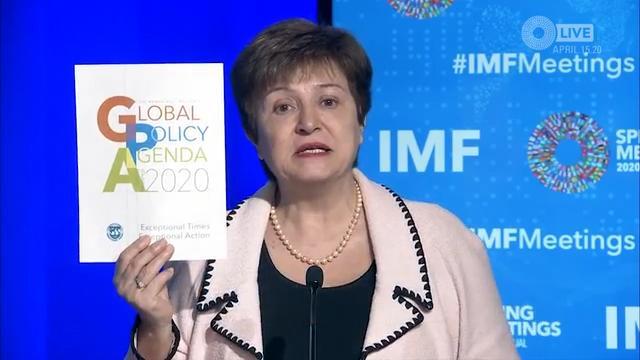
The three leaders convened as part of a recently established coordination group, formed on April 1, tasked with maximizing the institutional response to the energy and economic shocks stemming from the Middle East war. Their unified message underscores the severity of the situation and the need for a collaborative approach to manage the crisis. The meeting highlights a recognition that no single institution can address the multifaceted challenges alone.
Asymmetric Shockwaves Across the Global Economy
The joint statement from the IEA, IMF, and World Bank painted a clear picture of a world facing a multi-pronged economic shock. The war has directly led to higher prices for essential commodities, most notably oil, natural gas, and fertilizers. This price surge is triggering a cascade of secondary effects, including heightened concerns over global food security and widespread job losses, particularly in nations already struggling with economic fragility.
The impact, however, is not uniform. The institutions stressed the highly asymmetric nature of the shock. Energy-importing nations, and especially low-income countries, are bearing the heaviest burden. These nations face the double threat of skyrocketing fuel costs and higher food import bills. Paradoxically, some oil and gas producers within the Middle East are also suffering, experiencing a dramatic loss of export revenue due to war-related disruptions and damaged infrastructure.

The statement warned that even with a resumption of regular shipping flows through the strategically vital Strait of Hormuz, global supply chains will not snap back to their pre-conflict state overnight. It will take considerable time for supplies of key commodities to return to normal levels. Furthermore, fuel and fertilizer prices are likely to remain elevated for a prolonged period as a direct consequence of the extensive damage inflicted on energy and industrial infrastructure in the region.
Widespread Disruptions to Industries and Livelihoods
Beyond the immediate price shocks, the war is causing severe disruptions to fundamental inputs required by energy, food, and other critical industries. These supply shortages are creating a ripple effect, threatening production lines and economic activity globally. The humanitarian and social toll is equally grave, with the conflict forcibly displacing large populations, devastating local job markets, and crippling the travel and tourism sector, which may take years to fully recover.

In response to this complex emergency, teams from the IEA, IMF, and World Bank are working in close coordination, including at the country level. This collaborative effort aims to leverage their respective expertise to offer tailored policy advice. For the IMF and World Bank, this also means mobilizing financial support for countries that need it most, helping them to stabilize their economies and protect vulnerable populations. The three leaders have vowed to continue monitoring the situation closely to ensure a cohesive and effective international response.