Read on the Guardian
Pirate Shipwrecks Discovered in Nassau Harbour
An international team of marine archaeologists has discovered the first shipwrecks linked to the real pirates of the Caribbean in Nassau harbour, Bahamas. The finds, which include a charred wooden hull, swivel guns, and musket balls, provide concrete evidence of the golden age of piracy that once made New Providence a notorious hideout for figures like Blackbeard and Calico Jack. The expedition, which was granted the first official permission to dive in the closed zone of the harbour, uncovered six wrecks, three of which date back to the 17th and 18th centuries. These discoveries shed new light on the pirate history of the region and challenge Hollywood depictions.
For centuries, the azure waters of the Bahamas have whispered tales of piracy, but tangible evidence remained elusive. Now, an international team co-directed by British marine archaeologist Dr Sean Kingsley has made a groundbreaking discovery: the first shipwrecks linked to the real pirates of the Caribbean in Nassau harbour. These finds, which include a charred wooden hull, swivel guns, and musket balls, offer a rare glimpse into the shadowy world of Blackbeard and Calico Jack, who once used the island of New Providence as a hideout for planning heists and dividing plunder.

Nassau: The Pirate Stronghold
Between the 1690s and 1720s, the port of Nassau on New Providence became a notorious haven for pirates. Figures like Blackbeard, whose real name was Edward Teach, and Calico Jack Rackham used the island's natural harbour as a base to launch attacks on merchant vessels. The recent expedition, conducted with the first-ever official permission to dive in the closed zone of Nassau harbour, has unearthed six wrecks, three of which can be traced to this golden age of piracy. This discovery is particularly significant because, while a handful of pirate wrecks have been found between Mauritius and North Carolina, none had previously been discovered in Nassau, the home port of the pirates of the Caribbean.
The Evidence: Burned Hull and Weapons of Terror
Pirates were known to destroy evidence of their crimes by setting fire to ships they had seized, having raided their lucrative cargo, cannon, and fittings. The archaeologists discovered a charred wooden hull, still weighed down by a stone ballast pile. The ship's timbers had been connected by wooden treenails, and it had been burned down to the waterline. Dr Michael Pateman, the expedition's co-director, noted that this burning tactic was an infamous method to hide felony from authorities. Alongside the hull, the team found a swivel gun, an iron cannon, and a pile of 25 lead musket balls, as well as a grinding stone for sharpening swords. Swivel guns were the pirates' weapons of choice for sparking panic on enemy decks, and these finds have been described as a calling card of pirate attacks.

Connecting to Henry Avery
The charred hull has sparked speculation about its possible connection to Henry Avery, one of the most famous pirates of the era. In 1695, Avery pulled off the most lucrative heist in pirate history, looting gold, silver, sapphires, emeralds, and diamonds worth more than £85 million in today's money. His flagship, the Fancy, was famously burned after its exploits. While the archaeologists have not confirmed a direct link, they are exploring the possibility. Dr Kingsley expressed surprise at the unexpected survival of the wooden hull, calling the discovery a once-in-a-lifetime moment.
Other Finds: Rigging, Glass Bottles, and Clay Pipes
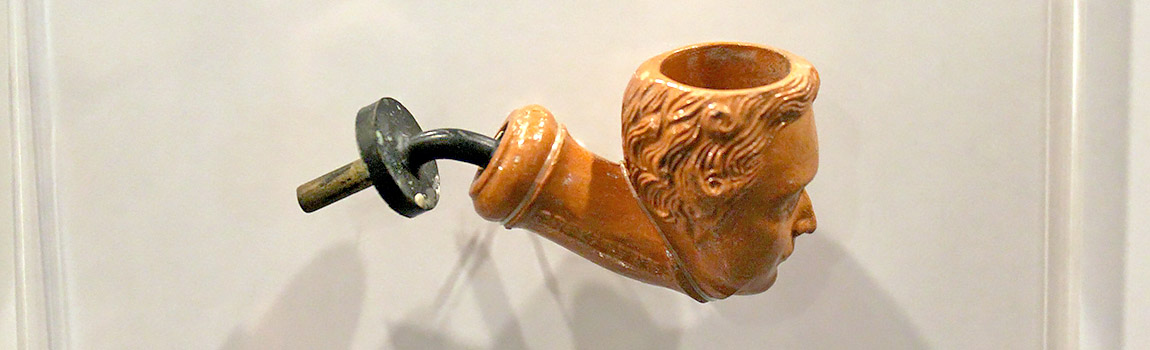
Beyond the pirate wrecks, the expedition also discovered rigging, glass bottles, and bricks from a ship's cooking galley, along with 143 clay tobacco pipes. These pipes were decorated with a unicorn, horse, crown, and the royal crest of England, suggesting they were made in London around the 1740s. This indicates that the ship was likely English and sailed for Nassau just after the pirate menace had been crushed. The survival of this wreck, heavily damaged by coastal development, sheds rare light on Nassau's transition from a pirate stronghold to a normal port of trade. The team also explored caves where pirates allegedly hid treasure, but found nothing, suggesting the pirates had taken everything with them.
Implications and Future Research
These discoveries have exceeded expectations, particularly because the seabed had been heavily scooped out by dredging. Dr Kingsley believes there could very well be dozens more shipwrecks in and around the harbour. The expedition, known as the New Providence Pirates Expedition, is dedicated to science, education, entertainment, and tourism in the Bahamas. The findings are covered in a mini-series, Mystery of the Pirate King's Treasure, and in the next issue of Wreckwatch magazine. As Hollywood continues to romanticize pirates, these shipwrecks offer a tangible connection to the real history of the sea dogs who once terrorized the Caribbean.