Read on PBS News
Navigating the AI-Transformed Job Market: Advice for New Graduates
Commencement season brings a mix of celebration and anxiety for new graduates facing a job market transformed by artificial intelligence and digital hiring processes. With unemployment rates for recent graduates rising above 5.5 percent and widespread concerns about AI replacing entry-level positions, this generation faces unique challenges. New York Times journalist Jodi Kantor offers practical advice in her book "How to Start: Discovering Your Life's Work," emphasizing timeless strategies like identifying personal crafts and pairing them with market needs. This article explores the current landscape, the impact of AI on job hunting, and actionable steps for graduates to navigate this uncertain environment with confidence and resilience.
Commencement season is a time for graduates to celebrate their accomplishments and look toward the future. However, significant economic shifts and widespread anxiety about artificial intelligence are fundamentally changing how this generation perceives their professional prospects. Recent college graduates are entering one of the most challenging job markets in years, with the unemployment rate for those aged 22 to 27 exceeding 5.5 percent, surpassing the national average. The pervasive narrative about AI potentially displacing millions of jobs has added a layer of uncertainty and apprehension.
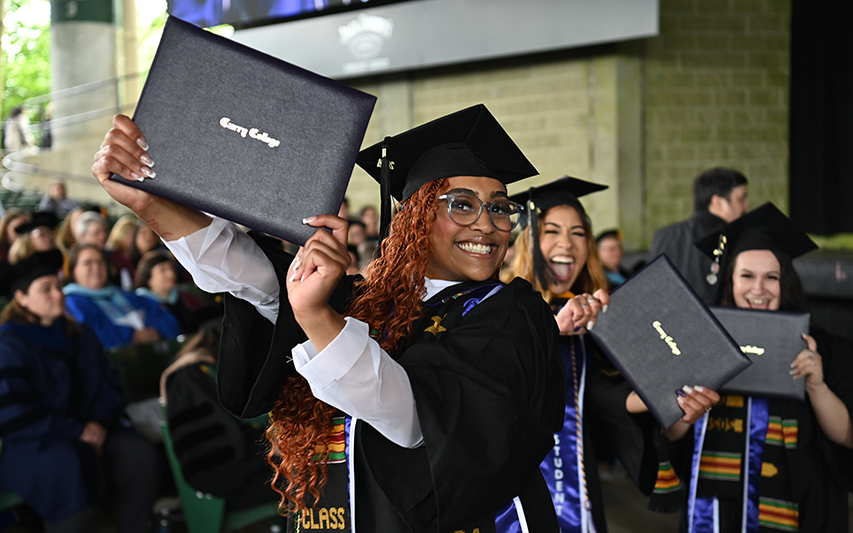
New York Times journalist Jodi Kantor, in her book "How to Start: Discovering Your Life's Work," addresses these fears, offering guidance for graduates navigating a transformed employment landscape. In a recent interview on the PBS NewsHour, Kantor discussed the unique challenges facing this cohort, from AI-fueled hiring processes to the crucial importance of finding durable career foundations.
The Unprecedented Anxiety of the Class of 2026
The current sentiment among graduates is notably different from that of previous generations. Kantor observed a palpable "terrible cultural message" being sent to young people: that the AI moment will render them superfluous and that entry-level workers are no longer needed. This message is deeply damaging, as it contradicts the celebratory and hopeful tone that traditionally defines graduation.
"Graduation is supposed to be a moment of possibility, and they're being told the A.I. moment is going to make you superfluous, entry-level workers are not going to be needed."
This anxiety is reflected in public reactions during commencement speeches. When figures like former Google CEO Eric Schmidt or music executive Scott Borchetta broached the topic of AI, they were met with boos from student audiences. This response indicates a profound unease about the future, which is exacerbated by the impersonal and often confusing nature of the modern job search.
The AI-Fueled and Dehumanizing Job Search

The process of finding a job has itself been transformed by technology, often to the detriment of the applicant. Kantor explained that the hiring process is now heavily "AI-fueled" and has become "digital and lonely." Instead of connecting with people, graduates are shuttled between "gigantic digital job portals." These listings may or may not be "ghost listings," leaving applicants uncertain if the jobs are real. Some companies even use AI to conduct interviews, a practice that many graduates find degrading and dehumanizing.
- Digital Portals: Applicants face a vast, impersonal online system.
- Ghost Listings: Listings that may not represent actual open positions.
- AI Interviews: Replacing human interaction, adding to feelings of isolation.
This environment has created a sense of detachment, making a stressful process even more difficult. The advice to "network" feels hollow when the entry point is a faceless algorithm.
Beware of Conventional Wisdom
Kantor challenges the idea that this generation is uniquely burdened by the need to predict the future of work. History shows that conventional wisdom about job security is often fleeting and misleading. In the past, graduates were told to learn Japanese, then genetics, then Mandarin, then coding. While these are all valuable skills, none served as an infallible "golden ticket" to stability.
It is still too early to know exactly how AI will reshape the workplace. Kantor suggests that it could be a true revolution or merely a "red herring." Instead of trying to predict an unpredictable future, she advocates for a return to "time-tested materials" that will be durable for any scenario.
Building a Durable Career: Craft and Need

Kantor's central advice for graduates is to build their careers around two core elements: a craft and a need. The most successful and happiest people, she argues, are those who harness both. A craft is a special, valuable skill developed over time. It can be surgery, teaching, baking, or broadcast production. A strong craft provides a sense of authority and protection from being treated as an interchangeable commodity in the marketplace.
"If craft is authority, I think it gets really powerful when it's paired with a need."
Identifying a need requires graduates to use their own observations to determine what other people will need in the future. This could be a product, a service, or specific information. When a career is driven by filling a genuine need, it becomes less of an isolated struggle and more like riding a "rushing river." This approach directly combats the message that graduates are not needed.
Actionable Advice for Graduates

Based on Kantor's insights, graduates can take several practical steps to navigate this challenging environment. First, they should ignore alarmist predictions about AI and focus on building genuine, transferable skills that represent their personal craft. This provides a foundation that no technology can easily replace.
Second, graduates should actively look for needs in the world around them, whether in their local community or in a specific industry. Third, it is important to approach the digital job search with patience and persistence, understanding that the process may be impersonal, but it is the current reality. Finally, graduates should seek out human connections wherever possible, as networking remains one of the most effective ways to bypass automated systems.
Conclusion: A Resilient Future
The current moment is undoubtedly challenging for new graduates. The confluence of economic uncertainty, rapid technological change, and a dehumanizing job search process creates a perfect storm of anxiety. However, as Jodi Kantor noted in her interview, this generation is not without agency. By rejecting destructive cultural messages, focusing on developing a durable craft, and aligning that craft with a genuine market need, graduates can carve out a meaningful and successful path. The key is to build a career that is resilient, not because it can predict the future, but because it is built on timeless principles of skill and service.