Read on the Guardian
The Criminal Cartels Cashing in on the World Cup: Security Risks for Fans and the Government in Guadalajara
Excitement for the 2026 World Cup in Mexico is high, but in Guadalajara, the capital of Jalisco state, a powerful crime syndicate adds a dangerous layer to the festivities. Mexican journalist Leon Krauze highlights the region's deep football heritage, yet warns of the real security risks. The Mexican government, under President Claudia Sheinbaum, is preparing a massive security presence, partly due to the unpredictable reactions from Washington. While fans likely face little direct danger, the presence of cartels and potential US military intervention creates a complex backdrop for the tournament, balancing celebration with serious geopolitical and safety concerns.
As football fans around the world prepare for the 2026 World Cup in Mexico, excitement is building for the tournament's matches in Guadalajara. The city, a historic hub for the sport, last hosted World Cup games in 1970 and 1986, when legends like Pelé and Zico graced its pitches. Yet, beneath the surface of this footballing celebration lies a grave concern: the city is also a stronghold for one of Mexico's most brutal crime syndicates. Mexican journalist Leon Krauze, a devoted fan who witnessed the 1986 World Cup and plans to attend again, perfectly captures the duality of the event. According to The Guardian's podcast on the topic, Guadalajara, the capital of Jalisco state, has become the center of a notorious criminal outfit. This raises pressing questions about the risks for visiting fans and the enormous pressure on the government to ensure security.

The Cartel's Grip on Jalisco
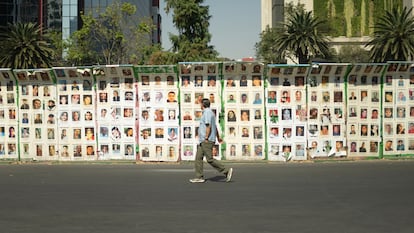
The presence of a powerful cartel in Jalisco transforms the World Cup from a purely sporting event into a complex geopolitical challenge. Krauze explains that while fans are unlikely to face direct danger, the cartel's influence creates a volatile environment. The Mexican government, led by President Claudia Sheinbaum, is taking no chances, deploying a massive security operation. However, the true wildcard is the US government's reaction. Krauze warns that Washington is "really just waiting for the right moment and the right excuse to go into Mexico and take unilateral military action," especially given how the US's aggressive posture toward Venezuelan drugs and its prior kidnapping of a Venezuelan prime minister has heightened tensions.
The Government's Balancing Act
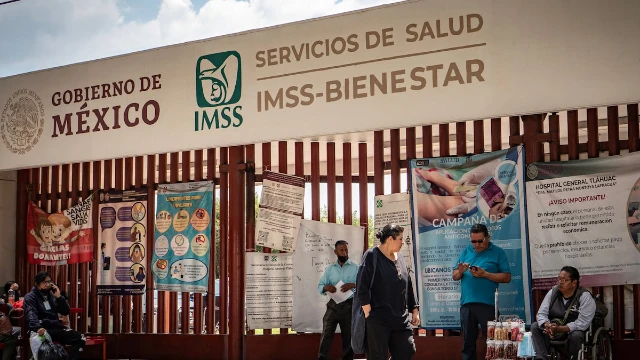
For Mexico, the World Cup is an opportunity to showcase its culture and passion for football. Yet, the security threat posed by cartels demands a sophisticated and robust response. The government must project an image of safety and normalcy to the world while simultaneously combating organized crime. This delicate balancing act is made even more difficult by the potential for US intervention, which could escalate local tensions. As the tournament unfolds, the world will be watching not just for goals, but for how Mexico navigates this dangerous intersection of sport, crime, and international politics.
Conclusion
While the World Cup in Guadalajara promises a wonderful party, as Krauze expects, it is also a stark reminder of the profound security risks that accompany major events in regions controlled by powerful criminal organizations. The real challenge for the government is to ensure that the beautiful game remains the focus, not the shadow of cartel violence and international sabre-rattling.