Read on France 24
Deadly Attack on Migrants Highlights Labour Abuse in Italy
The brutal murder of four migrant fruit pickers in Calabria has ignited a national debate on labour exploitation in Italy. Found burned alive in a van, the victims were among thousands enduring slave-like conditions in agriculture. This article examines the tragedy, the systemic issues of caporalato (illegal recruitment), and the renewed calls for reform.
The horrific burning of four migrant fruit pickers in southern Italy has sent shockwaves through the nation, forcing a profound re-examination of the country's ongoing struggle with labour exploitation. The victims, who were working in slave-like conditions in the agricultural sector, were found dead in a burned-out van at a petrol station in Amendolara, in the Calabria region. Surveillance footage captured two individuals setting the vehicle alight before fleeing the scene, transforming a case of brutal murder into a symbol of a deeply entrenched systemic problem.
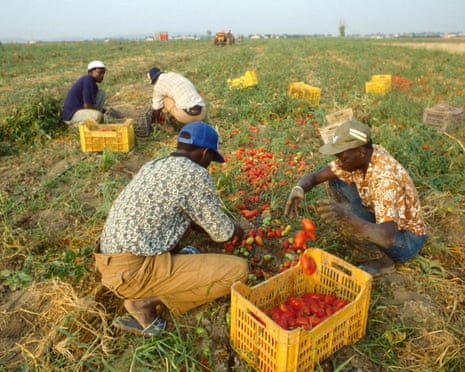
This tragedy is not an isolated incident but a stark representation of the widespread phenomenon of caporalato, an illegal system of labour recruitment and exploitation that thrives in Italy's agricultural industry. Migrants, often from Africa, South Asia, and Eastern Europe, are lured with promises of decent work and fair wages, only to find themselves trapped in a cycle of debt, violence, and inhumane conditions. They are housed in dilapidated shacks, forced to work for a pittance, and are completely dependent on their exploiters, known as caporali, for their survival.
The Scale of Labour Exploitation in Italy
The murder of these four individuals has cast a harsh light on the scale of the problem. According to reports and ongoing investigations, thousands of migrant workers across Italy toil in conditions that are tantamount to modern-day slavery. The agricultural sector, particularly in the south, is heavily reliant on this vulnerable workforce. The caporali operate with impunity, controlling every aspect of a worker's life—from transportation to the fields, to wages, and even the provision of basic necessities. The recent attack appears to be a violent escalation, a message to those who might attempt to challenge the system.
The victims' identities, though not officially released in the initial reports, are believed to be from Pakistan and Afghanistan, highlighting the international dimension of this crisis. These migrants often undertake perilous journeys to reach Europe, only to face a new form of exploitation on arrival. The lack of legal status or proper documentation makes them incredibly vulnerable, as they are afraid to report abuses to the authorities for fear of deportation.
National Reaction and Calls for Change
The brutal nature of the crime has prompted a wave of outrage and grief across Italy. Politicians, unions, and human rights organizations have condemned the attack and demanded immediate action. There are calls for a comprehensive overhaul of labour laws, stricter enforcement of existing regulations against caporalato, and greater protections for migrant workers. The Italian government has pledged to investigate the case thoroughly and bring the perpetrators to justice.
However, many activists argue that more than just legal action is needed. There is a pressing need to address the root causes of exploitation, including the demand for cheap labour, the lack of housing and social services for migrants, and the bureaucratic hurdles that prevent them from regularizing their status. The France 24 report from Rome underscores that this is a moment for the nation to reflect on its values and the treatment of the most vulnerable members of its society.
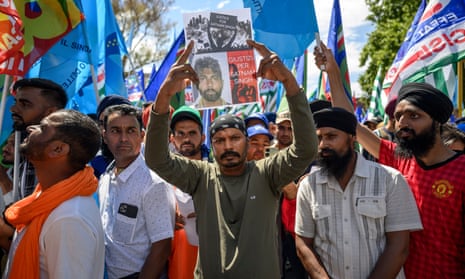
In the wake of the Amendolara murders, there is a renewed determination from civil society to break the cycle of silence and fear that allows such exploitation to persist. Local organizations are stepping up their efforts to provide support and legal assistance to migrant workers, helping them to know their rights and report abuses without fear. The hope is that this horrific event will serve as a catalyst for lasting change, ensuring that the lives of those who contribute so much to Italy's economy are valued and protected.
Conclusion
The deaths of four migrant fruit pickers in a van set ablaze in Calabria represent a devastating indictment of the persistent and brutal labour exploitation that plagues Italy. While the immediate focus is on finding the killers, the nation is being forced to confront a deeper, systemic failure. Addressing the issue of caporalato requires a multi-faceted approach: stronger legal protections, more robust enforcement, better integration policies, and a fundamental change in the societal mindset that allows such abuse to continue. Only then can the nation honor the memory of these victims and work toward a future where no worker is subjected to such degrading and dangerous conditions.