Read on PBS News
Critical Surveillance Authority at Risk of Expiration Amid Bipartisan Backlash Over Trump Intel Pick
Republicans are warning the White House that a critical surveillance authority, Section 702 of the Foreign Intelligence Surveillance Act (FISA), is likely to lapse this week. The program, which allows agencies like the CIA, NSA, and FBI to collect foreign communications without a warrant, faces an uncertain future after a bipartisan backlash over President Trump's selection of Bill Pulte as acting director of national intelligence. Key Republican senators, including Tom Cotton and Chuck Grassley, have urged Secretary of State Marco Rubio to prepare for a potential gap in intelligence collection. The Senate failed to advance a long-term extension after Democrats and some Republicans opposed Pulte, citing his lack of national security experience. The standoff threatens to disrupt crucial foreign intelligence gathering as the June 12 deadline approaches, with lawmakers from both parties expressing concerns about the program's implications for Americans' privacy and the controversial intelligence leadership pick.
The future of a cornerstone U.S. surveillance program hangs in the balance this week as bipartisan backlash over President Donald Trump's choice for acting director of national intelligence threatens to let the authority expire. Republicans are warning the White House that a critical foreign intelligence collection tool is likely to lapse, creating a significant gap in national security capabilities just days ahead of a key deadline.
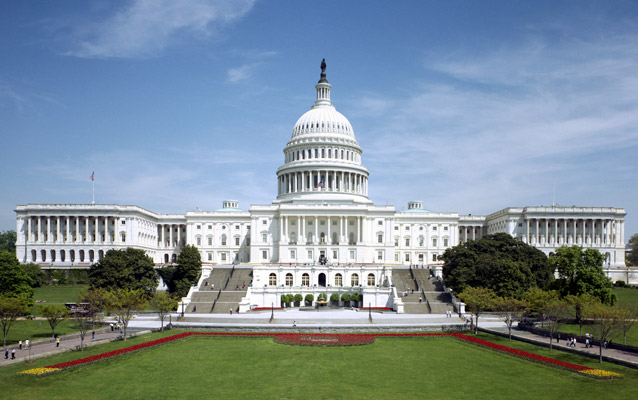
Section 702 of the Foreign Intelligence Surveillance Act (FISA), set to expire on June 12, allows agencies including the CIA, National Security Agency (NSA), and FBI to collect communications from foreign targets overseas without a warrant. The reauthorization effort, which already faced hurdles due to bipartisan concerns about Americans' privacy, has been derailed by the fallout over President Trump's selection of federal housing finance regulator Bill Pulte to lead the nation's intelligence community.
Bipartisan Alarm Over Impending Lapse
Sen. Tom Cotton (R-Ark.), chairman of the Senate Intelligence Committee, and Sen. Chuck Grassley (R-Iowa), chairman of the Senate Judiciary Committee, sounded the alarm over the weekend. In a letter, the senators urged Secretary of State Marco Rubio to prepare "for a potential significant gap in foreign intelligence collection" if the authority expires. The warning comes after a failed procedural vote to extend the program early Friday morning, when seven Republicans joined nearly all Democrats in blocking a long-term extension.
Senate leaders from both parties had appeared to be nearing an agreement on a long-term extension of Section 702. However, the effort collapsed after Trump selected Pulte to serve as acting director of national intelligence (DNI). Sen. Mark Warner (D-Va.), the top Democrat on the Senate Intelligence Committee, expressed frustration on ABC's "This Week," saying, "I know how important this tool is. Why the president would throw this live hand grenade of Bill Pulte in 10 days before this is due to expire, I'm not sure."
The Pulte Controversy
Democrats and several Republicans have registered their opposition to Trump's selection of Pulte, arguing that the federal housing finance regulator lacks the experience needed to oversee the nation's 18 intelligence agencies. Sen. James Lankford (R-Okla.), a member of the Intelligence Committee, told "Fox News Sunday," "He's not qualified for the long-term position. That's been clear on this. He has no national security background." Senate Majority Leader John Thune (R-S.D.) also expressed concern, stating that the nation's top intelligence post should not be "weaponized" and should be filled by "professionals." Cotton, a leading advocate for the surveillance authority, declined to endorse Pulte, saying only that he had "no observations on the matter."
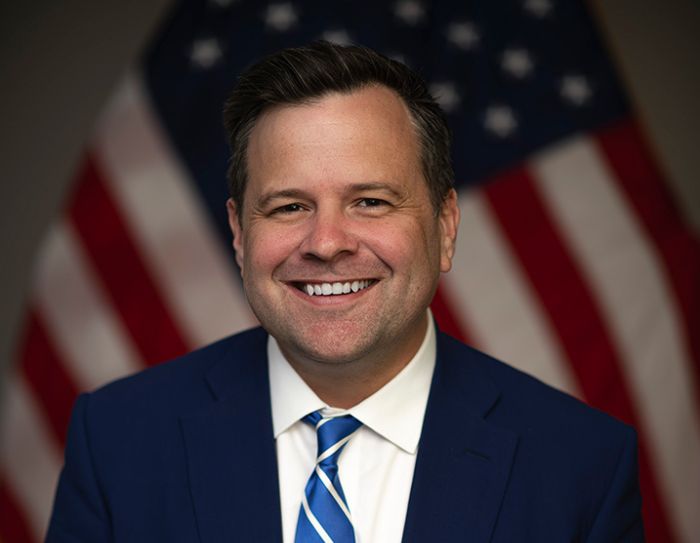
Both Republican and Democratic senators skeptical of Pulte have pointed to his record at the Federal Housing Finance Agency (FHFA). In the role, he has been linked with criminal referrals over allegations of mortgage fraud by public officials Trump sought to punish, including New York Attorney General Letitia James, Sen. Adam Schiff (D-Calif.), and Lisa Cook, a board member of the Federal Reserve. Trump has said Pulte's tenure in the intelligence post would only be temporary, but the opposition has created a stalemate.
No Clear Path Forward
Republicans will need to garner some Democratic support to pass any extension of the surveillance authority in the Senate. However, a breakthrough appears difficult so long as Pulte remains in the position. Warner said on CNN's "State of the Union" that he didn't "see any path to convincing enough Democrats" when asked if renewal was possible with Pulte in the role. Cotton and Warner had previously stated they were close on a bipartisan deal for a long-term extension and could still move quickly should a change occur before Friday. Still, any bill would likely need to go through the House, and the two chambers have so far disagreed on a separate issue regarding central banking digital currency.
Defense Secretary Pete Hegseth emphasized the importance of the tool on social media Sunday, stating, "America faces real threats from foreign adversaries, terrorists, cyber actors, and hostile intelligence services. Section 702 remains one of our nation's most effective tools for identifying and disrupting those threats before they reach our shores." Rep. Michael McCaul (R-Texas) warned on ABC's "This Week" that letting the program lapse would be "the most grossly irresponsible thing I've seen Congress do in my 22 years in office," especially given upcoming major events like the World Cup and the nation's 250th anniversary.
Historical Context of Section 702
The current reauthorization debate is hardly the first time lawmakers have grappled with the fate of the surveillance program, particularly after a flurry of revelations about government misuse of the vast trove of intelligence it collects. The topic in recent years has scrambled predictable partisan alliances, with Democratic critics of the Trump administration uniting with skeptics of government power on the right in voicing concerns about Section 702's renewal. In 2024, those divisions nearly caused the program to lapse. The Senate barely missed its midnight deadline that year before approving by a 60-34 margin legislation to reauthorize Section 702, which was subsequently signed by then-President Joe Biden.

Cotton and Grassley have called on Rubio and the White House to prepare contingency plans, including the possibility of a presidential executive order to prevent a disruption in intelligence collection. As the June 12 deadline looms, the standoff over Pulte's nomination continues to be the primary obstacle, leaving the nation's intelligence community and national security posture in a precarious position.