Read on PBS News
Senate Votes on $72 Billion ICE and Homeland Security Funding Package
The Senate is actively voting on a $72 billion funding package for Immigration and Customs Enforcement (ICE) and the Department of Homeland Security (DHS), a bill that has been stalled for months. The debate is marked by partisan division over ICE conduct and a controversial anti-weaponization fund proposed by President Trump. Amendment votes are expected to continue into the night, and it remains uncertain if Republican leaders can secure enough votes for passage.
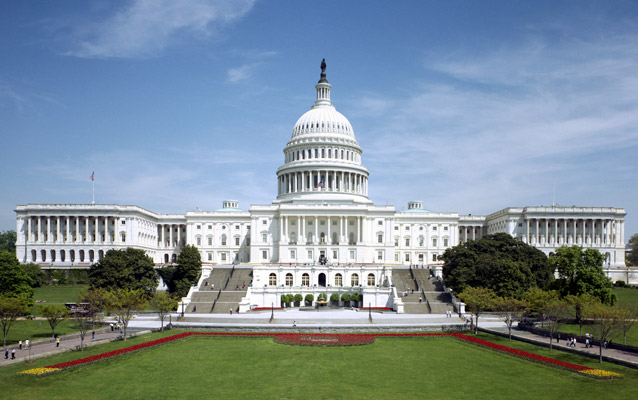
The United States Senate is currently engaged in a critical vote on a sweeping $72 billion funding package intended for Immigration and Customs Enforcement (ICE) and the Department of Homeland Security (DHS). This legislation, which has been delayed for months, faces a contentious path forward as lawmakers debate its provisions amidst deep partisan divides. The outcome remains uncertain as amendment votes are expected to stretch late into the night.
A Contentious Debate on Immigration Enforcement
The core of the debate centers on the $72 billion allocation for ICE and DHS, which Republicans argue is essential for border security and national safety. However, the bill has been held up since federal agents were involved in the deaths of two U.S. citizens during immigration enforcement actions in Minnesota. This incident has fueled Democratic opposition, who view the funding as a blank check for an agency whose conduct they question.
Divergent Priorities on the Senate Floor
The two parties are essentially holding separate debates. For Republicans, the primary focus is on border security and enabling ICE to perform its duties without restriction. Senator Lindsey Graham articulated this position, stating, "What you get is a secure border versus a broken border. What you get is ICE being able to do its job instead of being closed for business." Conversely, Democrats are centering their argument on reforming ICE conduct and blocking a specific element of the bill: President Trump's proposed anti-weaponization fund.
The Controversial Anti-Weaponization Fund
A major sticking point is the Trump administration's request for nearly $2 billion for what it calls an anti-weaponization fund, which critics say could be used to compensate individuals involved in the January 6 Capitol riot. Senate Majority Leader Chuck Schumer voiced strong opposition, questioning the president's trustworthiness with such a fund. "Do we believe, do any of us believe that Donald Trump, who has lied to us day in and day out, will be able to resist getting his sticky fingers in the slush fund, when it would benefit himself and his family?" he asked.
Interestingly, some Republicans, including Senator Graham, have indicated openness to codifying a ban on such a fund, suggesting potential for a bipartisan compromise, though the path to 60 votes in the Senate remains a steep challenge.

The Path Forward: A Vote-a-Rama
The Senate is currently navigating a process known as "vote-a-rama," a marathon session of amendment votes designed to exhaust senators into agreement on the final bill. This procedural tool, while less glamorous than its name suggests, is a critical part of the legislative process. The goal is to conclude voting and pass the measure, but the final outcome depends on Republican leaders' ability to wrangle enough votes from their caucus.
Broader Congressional Tensions
This funding debate occurs against a backdrop of heightened tensions between Congress and President Trump. Just this week, the House voted 215-208 to block the president's actions regarding the war in Iran, marking a significant bipartisan rebuke. While that concurrent resolution is unlikely to become law without Senate passage and a potential presidential veto, it signals growing unease among lawmakers over executive overreach in foreign policy.

Adding to the legislative chaos, President Trump is expected to nominate Todd Blanche to serve as the permanent Attorney General. While some senators have expressed private doubts about Blanche, particularly regarding his role as the president's former personal attorney, many publicly support him, suggesting his confirmation may proceed despite the current political firestorm. The Senate's ability to manage these concurrent crises—funding for immigration enforcement, war powers, and a new cabinet nomination—will define its legislative effectiveness in the coming days.