Read on Global News
ICC Chief Prosecutor Suspended: Fate to Be Decided by Assembly of States Parties
The International Criminal Court's chief prosecutor, Karim Khan, has been suspended following an investigation into alleged sexual misconduct with a female aide. The Assembly of States Parties, the ICC's oversight body, will hold a special session to decide Khan's fate. This unprecedented situation has involved the UN's internal oversight services and a panel of judicial experts, raising significant questions about accountability and governance within the international tribunal. The final decision rests with the 125 member states, requiring a majority vote in a secret ballot to remove Khan from office.
The International Criminal Court (ICC) is facing an unprecedented crisis as its chief prosecutor, Karim Khan, has been suspended from his duties following a lengthy investigation into allegations of sexual misconduct. The decision was made late Monday by the court's oversight body, which has referred Khan for disciplinary proceedings and now places his ultimate fate in the hands of the Assembly of States Parties, the organization's governing body.

The Allegations and Investigation
Khan, a British barrister who has led the ICC's prosecution division, has been facing allegations of sexual misconduct with a female aide for more than two years. He has consistently denied any wrongdoing. The controversy first came to light when the allegations were reported to the court's independent watchdog, prompting an investigation by the United Nations Office of Internal Oversight Services (OIOS).
The OIOS investigation found evidence that Khan had "nonconsensual sexual contact with (the aide) in his office, at his private residence, and whilst on mission," according to a copy of its report seen by The Associated Press. The documents also detailed other alleged nonconsensual behaviors, including locking the door of his office and sticking his hand in her pocket, as well as asking her several times to accompany him on a vacation.
Unprecedented Process
The situation is entirely unprecedented for the ICC, which has had to create new rules to accommodate the proceedings. Khan had already temporarily stepped down in May 2025 pending the outcome of the investigation. The Bureau of the Assembly of States Parties, the executive committee of the court's oversight body, based its assessment on the OIOS report, the underlying evidence, the advice of an ad hoc Panel of judicial experts, and written submissions.
However, the three-judge panel selected by the executive committee for a legal assessment of the findings concluded that the investigation was not conclusive enough, adding a layer of complexity to the decision-making process.
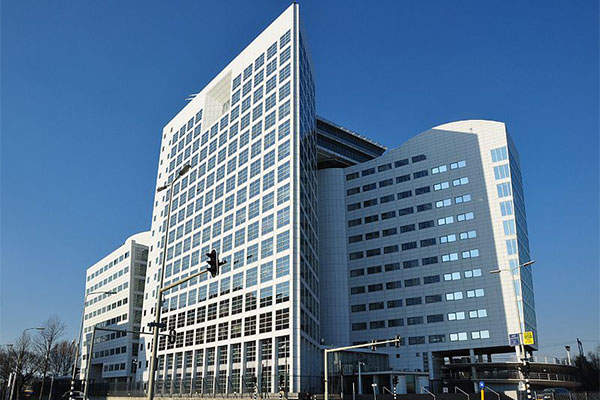
The Role of the Assembly of States Parties
Only the Assembly of States Parties has the authority to remove Khan from office. This would require a majority in a secret ballot of its 125 member states, meaning 63 countries would need to support a measure to remove him. The assembly announced it would convene a special session as soon as possible, though no date was immediately set.
The outcome of this session will have significant implications for the ICC's credibility and its ability to address internal governance issues. The decision will also set a precedent for how the court handles serious allegations against its senior officials.
As the international community watches closely, the Assembly of States Parties must navigate a complex legal and political landscape to determine the future of the ICC's leadership.