Read on France 24
International Coalition Considers Action to Reopen Strait of Hormuz Amid Iran Tensions
Britain has announced that approximately 40 nations are engaged in discussions regarding coordinated action to reopen the Strait of Hormuz, a critical global oil transit chokepoint. The move comes in response to what British officials describe as Iran holding "the global economy hostage" through its actions in the waterway. This development follows recent statements by former US President Donald Trump, who suggested that securing the strait should be resolved by other nations. The potential multinational effort highlights ongoing geopolitical tensions in the Middle East and concerns over the security of global energy supplies.
The security of one of the world's most vital maritime passages is under intense international scrutiny. Britain has revealed that around 40 countries are currently engaged in discussions about potential joint action to ensure the Strait of Hormuz remains open to international shipping. This strategic waterway, through which approximately one-fifth of the world's oil passes, has become a focal point of geopolitical tension, with British officials accusing Iran of effectively holding "the global economy hostage" through its control and actions in the region.
The Strategic Importance of the Strait of Hormuz
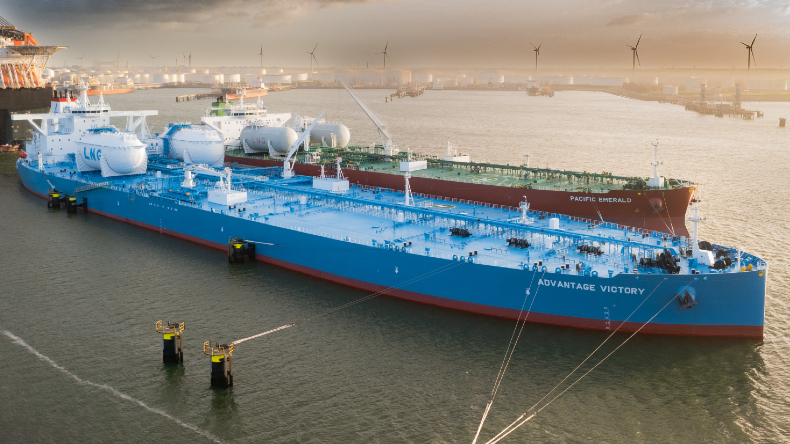
The Strait of Hormuz represents one of the most significant chokepoints in global energy markets. This narrow sea passage connects the Persian Gulf with the Gulf of Oman and the Arabian Sea, serving as the primary export route for oil from major producers including Saudi Arabia, Iraq, the United Arab Emirates, Kuwait, and Iran itself. Any disruption to traffic through this 21-mile wide strait would have immediate and severe consequences for global oil prices and energy security, affecting economies worldwide.
International Diplomatic Response
According to reports from France 24, the British government disclosed on Thursday that approximately 40 nations are discussing coordinated measures to address the situation. While specific details of the proposed actions remain undisclosed, the very fact that such a broad coalition is considering joint intervention underscores the global concern about Iran's influence over this critical maritime route. The discussions represent a significant diplomatic effort to address what many nations perceive as an unacceptable threat to international commerce.

Political Context and US Position
The international discussions follow notable comments from former US President Donald Trump, who stated that securing the waterway was "for others to resolve." This position represents a potential shift in American foreign policy approach toward the region, suggesting that the United States may be encouraging allied nations to take greater responsibility for maintaining freedom of navigation in key global waterways. The British announcement and the multinational discussions appear to be developing within this geopolitical context, with various nations assessing how to respond collectively to ensure the strait remains open without necessarily relying on unilateral American action.
Regional Implications and Security Concerns
The situation in the Strait of Hormuz occurs against a backdrop of ongoing regional tensions. Iran has previously threatened to close the strait in response to international sanctions or military threats, though it has never fully executed such a closure. The country's strategic position along the northern shore of the strait gives it considerable leverage over shipping traffic. Any multinational effort to secure the waterway would need to carefully navigate complex regional dynamics, balancing the need to ensure free navigation with the risk of escalating tensions with Iran and potentially other regional actors.
Conclusion: Toward Collective Security
The revelation that 40 countries are discussing joint action to reopen and secure the Strait of Hormuz marks a significant development in international efforts to protect global energy routes. While specific plans remain undisclosed, the very existence of such broad-based discussions indicates a growing consensus that collective action may be necessary to address challenges to freedom of navigation. As global economies remain dependent on the uninterrupted flow of oil through this narrow passage, the international community appears to be moving toward a more coordinated approach to maritime security, recognizing that no single nation can or should bear sole responsibility for maintaining these vital global commons.