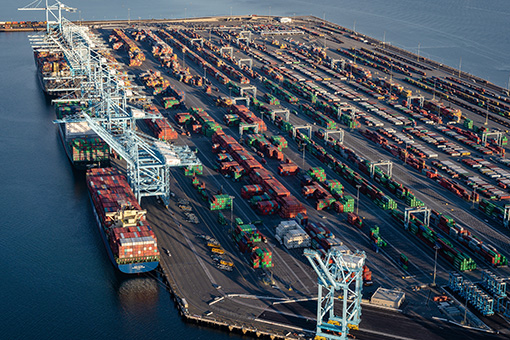
Pakistan-Bound Ships Navigate Strait of Hormuz, Arrive at Karachi Port
Two commercial vessels have successfully transited the strategic Strait of Hormuz and docked at Karachi Port, marking a significant development for Pakistan's maritime logistics. According to reports from Al Jazeera, this passage is part of a broader initiative, with Pakistan securing 18 other ships for similar transit. Local officials view this as a positive step that could help alleviate the country's ongoing energy crisis by ensuring a more reliable flow of essential commodities.
The successful transit of two ships through the Strait of Hormuz to Karachi Port represents a critical development in regional maritime logistics and energy security. This passage through one of the world's most vital and geopolitically sensitive chokepoints is a significant operational achievement. As reported by Al Jazeera, this event is not isolated; it is part of a coordinated effort where Pakistan has secured clearance for 18 additional vessels to make the same journey. This article examines the strategic importance of this maritime activity, its implications for Pakistan's economy, and the broader context of regional shipping security.

The Strategic Significance of the Strait of Hormuz
The Strait of Hormuz is arguably the world's most important maritime chokepoint for global energy supplies. Located between the Persian Gulf and the Gulf of Oman, it serves as the primary passage for seaborne oil exports from major producers like Saudi Arabia, Iraq, the United Arab Emirates, and Iran. An estimated one-fifth of the world's oil consumption passes through this narrow waterway. For a nation like Pakistan, which relies heavily on imported energy resources, securing safe and reliable transit through the Strait is a matter of national economic security. Any disruption in this corridor can lead to immediate spikes in global oil prices and create supply shortages for energy-dependent economies.
Implications for Pakistan's Energy and Economic Security
The arrival of the two ships at Karachi Port is being viewed by local officials as a potential turning point in addressing Pakistan's persistent energy crisis. The country has faced chronic electricity shortages and fuel supply issues, which have hampered industrial output and economic growth. The ability to consistently bring in fuel shipments—whether crude oil, refined petroleum products, or liquefied natural gas (LNG)—via the Strait of Hormuz is crucial. The report that Pakistan has secured 18 more ships for this route suggests a planned, sustained effort to bolster energy reserves. Karachi Port, as Pakistan's largest and busiest seaport, is the logical gateway for these vital imports, feeding the country's refining and distribution networks.

Navigating Geopolitical and Security Challenges
Transiting the Strait of Hormuz is not merely a logistical challenge but a geopolitical one. The waterway has been a flashpoint for regional tensions, with incidents involving tanker seizures and attacks highlighting its volatility. The successful passage of the Pakistan-bound ships indicates a level of operational coordination and, potentially, diplomatic engagement to ensure safe passage. For Pakistan, maintaining positive relations with all regional stakeholders, including Gulf Cooperation Council (GCC) nations and Iran, is essential for the security of its supply lines. This maritime activity underscores the complex interplay between logistics, diplomacy, and security that defines trade in the region.
Conclusion: A Step Toward Stabilization
The arrival of the two ships at Karachi Port after navigating the Strait of Hormuz is a positive signal for Pakistan's efforts to secure its energy supply chain. While two vessels alone will not resolve a deep-seated energy crisis, they represent the operationalization of a broader strategy involving nearly twenty more ships. If this pipeline of shipments is maintained, it could provide the consistent influx of energy resources needed to stabilize Pakistan's power grid and fuel supplies. The focus now shifts to the safe and timely transit of the remaining secured vessels, a process that will be closely watched by markets and policymakers alike as a barometer for regional logistics stability and Pakistan's economic resilience.