Trump's 50% Tariff Threat: A New Economic Tool in US-Iran Tensions
In a significant escalation of economic pressure, former US President Donald Trump has announced a policy to impose immediate 50% tariffs on all goods from any country supplying military weapons to Iran. This declaration, made in April 2026, represents a stark application of trade policy as a foreign policy tool, with no stated exemptions. The move aims to isolate Iran militarily but risks triggering broader trade disputes and geopolitical friction. This article analyzes the announcement's context, its potential global economic implications, and the precedent it sets for using tariffs as a punitive measure in international relations.
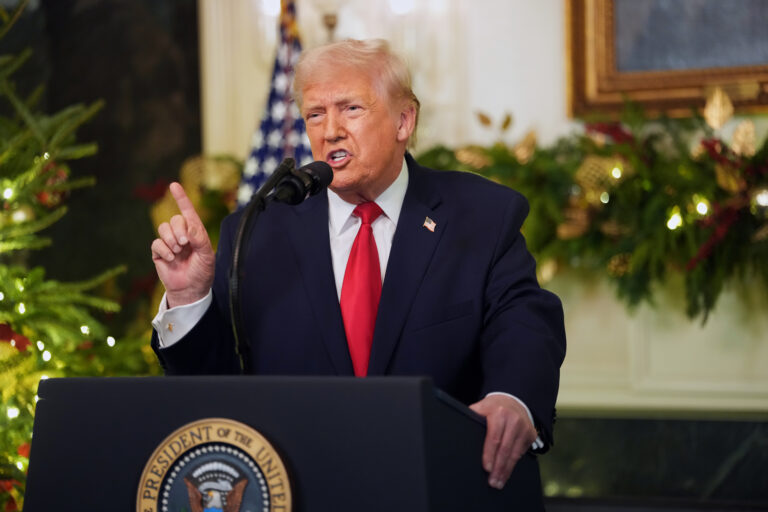
In a bold move that intertwines trade policy with national security, former US President Donald Trump announced in April 2026 a new economic sanction against nations aiding Iran's military capabilities. According to a report from CGTN, Trump vowed to impose an immediate 50% tariff on all goods sold to the United States by any country found to be supplying military weapons to Iran. This policy, declared with "no exclusions or exemptions," marks a significant escalation in using tariffs as a direct punitive tool in foreign policy, potentially reshaping global trade dynamics amid ongoing geopolitical tensions.
The Policy Announcement and Its Context
The announcement, made on April 8, 2026, positions trade tariffs as a primary mechanism for enforcing US foreign policy objectives. Trump's statement, as covered by CGTN, explicitly targets the supply chains supporting Iran's military, seeking to impose severe economic costs on intermediary nations. This approach reflects a continuation of Trump's previous trade policies, which often leveraged economic measures to achieve strategic goals. The declaration comes amidst a complex backdrop of US-Iran relations, where traditional diplomatic and military tools have been supplemented by aggressive economic statecraft.
Potential Global Economic Implications
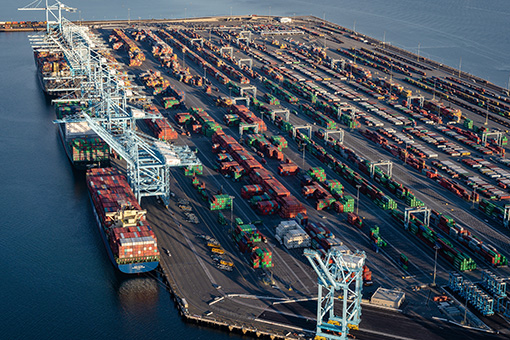
The threat of a blanket 50% tariff carries profound implications for international trade. Such a tariff would effectively double the cost of affected goods entering the US market, potentially rendering them uncompetitive. This could force supplying countries to choose between their economic relationship with the United States and their strategic or commercial ties with Iran. The policy's success hinges on the US market's importance to potential supplier nations. For major trading partners, the economic disruption could be substantial, influencing global supply chains for various goods beyond just military equipment.
Precedent for Tariffs as Foreign Policy
This announcement establishes a clear precedent for using tariffs as a direct instrument of coercion in international affairs. Unlike broad sanctions targeting a specific country, this policy uses the threat of trade penalties to influence the behavior of third-party nations. It represents a more targeted, yet potentially more disruptive, form of economic statecraft. The "no exemptions" clause underscores its intended severity, aiming to close potential loopholes that often dilute the impact of traditional sanctions regimes.
Geopolitical and Strategic Considerations
The policy directly impacts the geopolitical calculus of nations engaged with Iran. Countries must now weigh the benefits of arms sales or military technology transfers to Tehran against the risk of losing access to the lucrative US market. This creates a new layer of complexity in international alliances and arms trade relationships. Furthermore, it may push Iran to seek suppliers less dependent on US trade, potentially realigning global arms networks. The effectiveness of this tariff threat will depend on the United States' ability to accurately monitor and verify weapons transfers, a significant intelligence challenge.
Conclusion and Future Outlook
Donald Trump's vow to impose 50% tariffs on countries supplying weapons to Iran represents a significant evolution in the use of trade policy as a national security tool. While aiming to cripple Iran's military modernization efforts, this approach risks sparking retaliatory trade measures and further fragmenting the global economic order. The policy's implementation and enforcement will be closely watched by allies and adversaries alike, as it tests the limits of economic coercion in international relations. As global tensions persist, such aggressive tariff policies may become a more common feature of geopolitical strategy, with lasting consequences for international trade norms and diplomatic engagements.