Hezbollah Claims Rocket Attack on Israel in Response to Ceasefire Violation
Lebanon's Hezbollah group announced it fired rockets at northern Israel early on April 9, 2026, citing a violation of the ceasefire agreement. The militant group stated it had upheld the ceasefire but accused Israel of not doing the same, vowing to continue its response until aggression ceases. This escalation follows a major Israeli military operation, 'Operation Roaring Lion,' which targeted over 100 Hezbollah sites across Lebanon. The incident underscores the fragile nature of the truce and the ongoing volatility in the region.
The fragile ceasefire between Israel and Hezbollah appears to have shattered, with the Lebanese militant group announcing it launched rocket attacks against northern Israel in the early hours of Thursday, April 9, 2026. According to a statement from Hezbollah, the attack was a direct response to what it termed a "violation of the ceasefire agreement" by the Israeli side. This development marks a significant escalation in cross-border tensions and raises serious concerns about a potential wider conflict in the Middle East.
The Immediate Trigger: A Broken Ceasefire
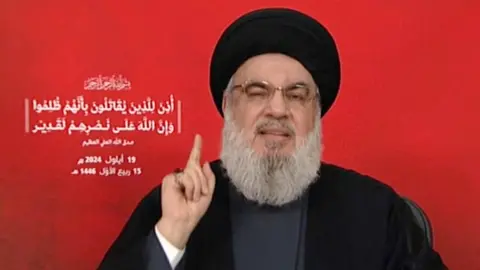
In its official communication, Hezbollah asserted that it had remained committed to the terms of the ceasefire but claimed Israel had failed to uphold its end of the agreement. The group declared that its military response would persist "until the aggression against our country and people ceases." This rhetoric suggests a return to the cycle of retaliation that has characterized the Israel-Hezbollah conflict for decades. The specific nature of the alleged Israeli violation was not detailed in the initial report, but the timing points directly to a major Israeli military operation conducted just one day prior.
Context: Israel's "Operation Roaring Lion"
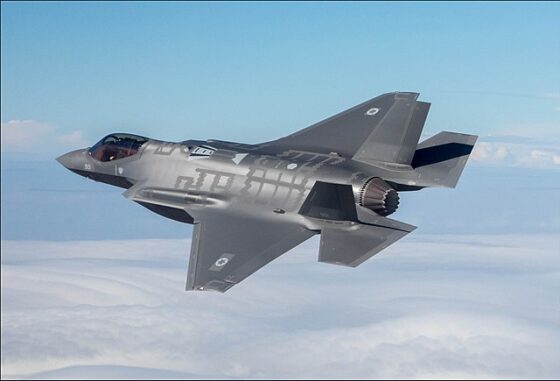
The rocket attack did not occur in a vacuum. On Wednesday, April 8, the Israeli Defense Forces (IDF) initiated what they described as "the largest coordinated strike across Lebanon" since the beginning of their campaign, codenamed "Operation Roaring Lion". This extensive operation, which Israel frames as an action against Iranian influence, reportedly targeted more than 100 Hezbollah command centers and military sites. The scale of this strike likely constituted the provocation that Hezbollah cited as its justification for breaking the ceasefire and launching its own rocket barrage.
Regional Implications and the Path Forward
This exchange of fire severely undermines regional stability. The ceasefire, however tenuous, had provided a brief respite from violence. Its collapse signals a dangerous regression and highlights the deep-seated animosity and mutual distrust between the two adversaries. The situation poses a direct threat to civilians on both sides of the border and risks drawing in other regional actors, further complicating an already volatile geopolitical landscape. Diplomatic efforts to re-establish a truce will face immense challenges in the wake of these new hostilities.
In conclusion, Hezbollah's rocket attack on Israel represents a critical breakdown in the ceasefire agreement, directly linked to Israel's preceding large-scale strikes in Lebanon. This tit-for-tat escalation underscores the persistent threat of conflict in the region. The immediate future hinges on whether both sides can be compelled back to the negotiating table or if this incident spirals into a renewed period of sustained military confrontation, with profound consequences for regional security.