U.S.-Iran Talks Resume Amid Strait of Hormuz Tensions and Fragile Ceasefire
Vice President JD Vance is set to lead a U.S. delegation to Pakistan for renewed negotiations with Iran, as a critical two-week ceasefire nears its expiration. The talks occur against a backdrop of continued volatility in the Strait of Hormuz, a vital global energy corridor that remains largely closed despite conflicting statements from Tehran. This article analyzes the diplomatic efforts, the economic impact of the shipping blockade, and the precarious regional stability as both sides navigate a path toward a potential peace deal.
As a fragile two-week ceasefire between the United States and Iran approaches its deadline, diplomatic efforts are intensifying to prevent a return to open conflict. Vice President JD Vance is preparing to lead a high-level American delegation back to Pakistan for a new round of negotiations mediated by Islamabad. This critical diplomatic mission unfolds while the strategically vital Strait of Hormuz remains effectively closed, choking global energy supplies and underscoring the high stakes of the talks. The situation presents a complex puzzle of military posturing, economic pressure, and fragile diplomacy.

The Diplomatic Front: Renewed Talks in Pakistan
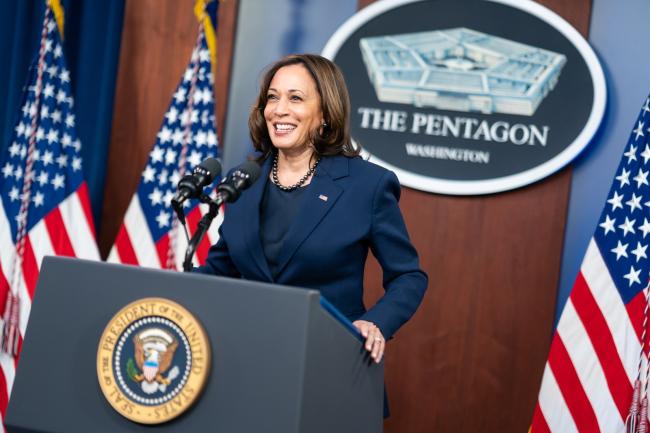
President Trump announced that American officials would travel to Pakistan for further negotiations aimed at ending the war with Iran. The delegation, scheduled to arrive in Islamabad on Monday evening, will again be led by Vice President JD Vance. He will be accompanied by key Trump aides Steve Witkoff and Jared Kushner, who have been central figures in the administration's foreign policy maneuvers. This marks the second high-level meeting in Islamabad in recent weeks, following an earlier round that ended without a breakthrough but represented the highest-level encounter between Iranian and American officials in decades.
The decision to resume in-person talks suggests that, despite public posturing, both sides see value in continued dialogue. President Trump has recently boasted that Iran has agreed to nearly all of his demands concerning its nuclear program, a claim Iranian leaders have vehemently denied. This public disagreement highlights the significant gaps that remain. Iranian negotiator Mohammad Bagher Ghalibaf, who is also the speaker of Iran’s Parliament, stated that talks had made some progress but remained far from a final agreement, with key issues unresolved.
The Strait of Hormuz: A Critical Chokepoint
The status of the Strait of Hormuz is the most immediate and tangible point of contention. This narrow Persian Gulf waterway is a conduit for a significant share of the world's oil and gas, making its closure a powerful economic weapon. Iran has defied one of President Trump's key conditions for the temporary truce by maintaining effective control over the strait. On Sunday, the waterway appeared largely shut to commercial traffic, with Iran's military stating it had "returned the strait to its previous state" of strict control.
The confusion and danger for shippers were exemplified over the weekend. After Iran's foreign minister declared the strait open on Friday, less than a day later the military retightened its grip, citing retaliation for the U.S. blockade on ships from Iranian ports. This led to immediate peril: the UK Maritime Trade Operations recorded two incidents where vessels were hit, reportedly by gun ships operated by Iran's Islamic Revolutionary Guard Corps (IRGC). These attacks prompted several ships to reverse course, creating further disruption.

Economic and Global Impact
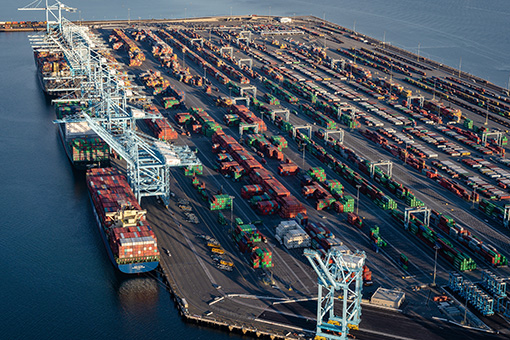
The closure has had a devastating impact on global energy markets and shipping logistics. Major companies like Maersk have stated their vessels will not transit the strait until it is deemed safe. Analysts note that even if the strait were to fully reopen, it would take weeks for oil and gas supplies to normalize and for prices to adjust. The war has inflicted severe damage on regional energy infrastructure, with the International Energy Agency reporting that more than 80 energy facilities have been damaged. Restoring output to pre-war levels could take up to two years.
This sustained disruption means relief for consumers will be slow. "We don't expect oil prices — and therefore pump prices — to go back to prewar levels," said Arjun Murti, a partner at energy research firm Veriten. The uncertainty has created a split in oil markets: while futures prices dipped on hopes of a deal, the actual "spot price" paid for physical oil remained high, reflecting the real-world scarcity and risk.
Regional Dynamics and Proxy Conflicts
The U.S.-Iran confrontation does not exist in a vacuum; it is intertwined with broader regional conflicts. A related 10-day ceasefire between Israel and the Iran-backed Lebanese militant group Hezbollah has brought a tentative calm to Lebanon's southern border. Thousands of displaced Lebanese families have begun returning home, though villages are littered with wreckage and the presence of Israeli troops in a "security strip" inside Lebanon complicates a full return.
Hezbollah's leader, Naim Qassem, has stated the group is "fully open" to cooperating with the Lebanese government but laid out difficult conditions for a lasting truce, including a complete Israeli withdrawal—a tall order given Israel's stated intent to maintain an occupation. This separate but linked ceasefire adds another layer of complexity to the main U.S.-Iran negotiations, as Iran seeks to consolidate what it views as military achievements across the region through diplomacy.

Internal Pressure in Iran
Within Iran, the population is facing severe hardship, compounding pressure on the regime. The country is heading into its 51st day of a near-total internet blackout imposed for "national security concerns" during the war. This has cut off over 90 million Iranians from most information beyond state media, hindered business, and isolated people from loved ones abroad. In a minor concession, the government announced it would restore wider internet access for university professors, a move criticized by activists as a step toward a "tiered internet" system that privileges the elite.
Prominent journalist Elaheh Mohammadi captured the public frustration, writing on social media about the indignity of celebrating access to basic services. This domestic strain, coupled with a U.S. naval blockade on Iranian ports that stifles the economy, forms part of the backdrop against which Iranian negotiators are operating.
Prospects for a Deal and Risks of Collapse
The path to a sustainable peace agreement remains fraught. Iranian negotiator Ghalibaf has emphasized that any deal must proceed on a step-by-step basis with reciprocal actions, and that the United States must "earn the trust of the Iranian people." He also warned that Iran's army was ready to restart fighting at any moment. For his part, President Trump has reiterated threats to target Iranian civilian infrastructure, including power plants and bridges, if diplomacy fails.
The trigger for renewed conflict could easily be the deadlock in the Strait of Hormuz. Both sides have linked their actions there to the other's compliance. Iran says it will maintain control until the U.S. ends its blockade; the U.S. demands the strait open as a condition for peace. This creates a dangerous chicken-and-egg scenario that the talks in Pakistan must urgently resolve.
In conclusion, the upcoming talks in Pakistan represent a crucial window to de-escalate a conflict with global economic ramifications. Success will require bridging significant gaps on security guarantees, nuclear oversight, and the status of the Strait of Hormuz. Failure could see a rapid return to warfare, with Iran's remaining naval assets—including its agile "mosquito fleet" of fast-attack boats—and ready military poised to respond. The world watches as diplomats work against the clock to turn a fragile ceasefire into a lasting peace.