Read on the Guardian
Haiti's Artibonite Massacre: Death Toll Soars as Gang Violence Forces Thousands to Flee
A recent gang attack in Haiti's vital Artibonite agricultural region has resulted in a death toll far exceeding initial official reports, with a human rights group confirming at least 70 fatalities and 30 injuries. The violence, attributed to the Gran Grif gang, has forcibly displaced nearly 6,000 people, highlighting the catastrophic security collapse and the Haitian authorities' failure to protect civilians. This incident underscores the rapid spread of gang conflict beyond Port-au-Prince, exacerbating the nation's severe humanitarian and food security crises.
The security situation in Haiti has reached a new nadir following a devastating gang attack in the country's crucial Artibonite region, with the human cost proving to be dramatically higher than first reported. Initial police and civil protection figures have been superseded by a human rights investigation revealing a massacre of significant scale, forcing thousands from their homes and exposing the profound failure of state authority in the face of armed groups.

Escalating Violence in Haiti's Breadbasket
The attack occurred in the Jean-Denis area of the Artibonite department in the early hours of a recent Sunday. While official sources initially reported between 16 and 17 deaths, the Collective Defending Human Rights group has documented a far more severe outcome: at least 70 people killed and 30 others injured. This region, known as Haiti's agricultural heartland or "breadbasket," has become a focal point for some of the country's worst violence as gang conflicts metastasize beyond the capital, Port-au-Prince.
The Human Rights Report and Official Abdication
The human rights group did not mince words in its assessment, labeling the incident a "massacre" and directly criticizing the "lack of a security response and the abandonment of Artibonite to armed groups." This statement points to a "complete abdication of responsibility by the authorities," a sentiment that reflects the growing desperation of a civilian population caught between warring gangs and an absent state. The attack has precipitated a massive displacement crisis, with nearly 6,000 people forced to flee their homes, adding to the over one million Haitians already internally displaced by gang violence.

International Response and Gang Designations
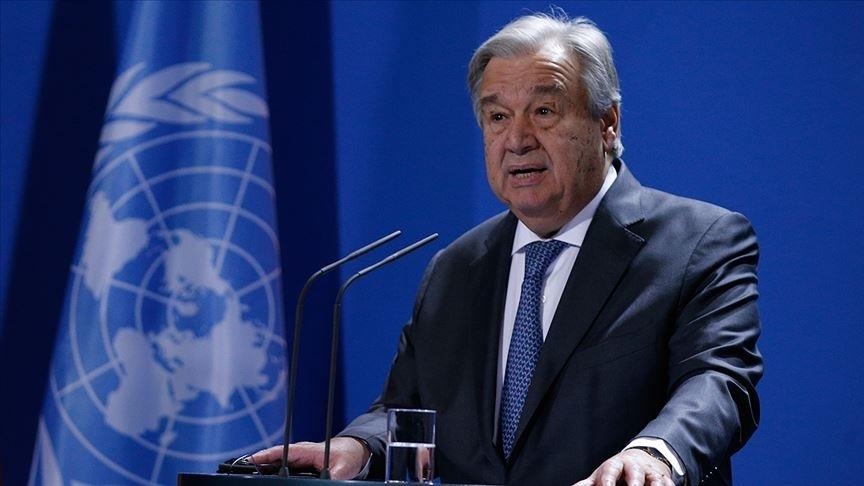
The United Nations Secretary-General has strongly condemned the attack, with a spokesperson stating it "underscored the gravity of the security situation" and called for a thorough investigation. The perpetrator identified by local authorities is the Gran Grif gang, part of a coalition of hundreds of gangs. This group, along with the Viv Ansanm coalition, has been designated as a terrorist organization by the United States. In a significant move earlier this year, the U.S. State Department offered a reward of up to $3 million for information on the financial activities of these groups, signaling a focus on disrupting their economic networks.
The Broader Context of Haiti's Crisis
This massacre is not an isolated event but part of a relentless escalation. It followed UN reports of armed raids in the nearby town of Verrettes that displaced over 2,000 people. Since 2021, close to 20,000 people have been reported killed in Haiti, with the death toll climbing annually. The violence has crippled the economy and agriculture, severely exacerbating food insecurity in a nation already on the brink. Despite the presence of a UN-backed international security mission and support from a U.S. private military company, Haitian and international forces have yet to achieve a decisive breakthrough, with no major gang leader apprehended.

Conclusion: A Nation in Peril
The Artibonite massacre represents a critical inflection point, demonstrating that gang violence is now endemic across Haiti, devastating its most productive regions and threatening the nation's very food supply. The staggering discrepancy between the official death toll and the findings of human rights monitors reveals a state apparatus that is either incapable of assessing the crisis or deliberately downplaying its severity. With thousands newly displaced, international condemnation but limited effective action, and gangs operating with impunity, Haiti's path toward stability appears more distant than ever. The international community's strategy, currently focused on bolstering security forces and offering bounties, must be urgently reassessed to address the root causes of the crisis and provide immediate protection for Haiti's most vulnerable citizens.