UN Chief Calls for Democratic AI Access, Warns Against Billionaire Control
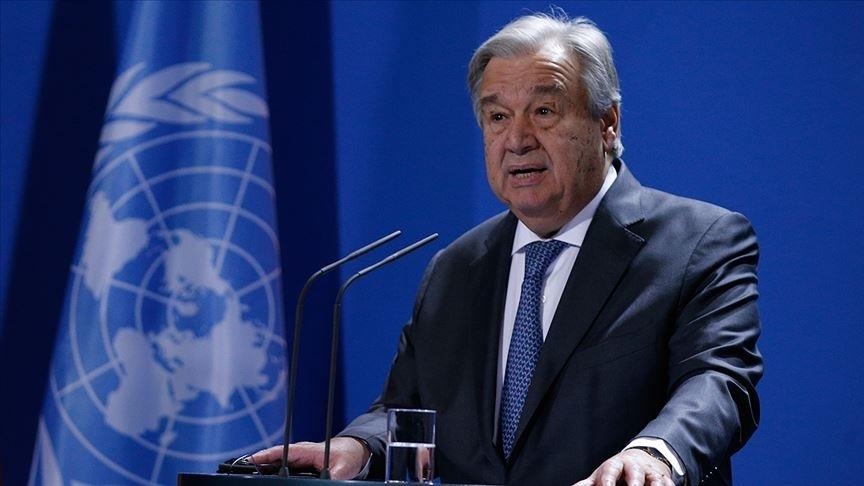
At the Global AI Summit in New Delhi, UN Secretary-General Antonio Guterres issued a stark warning against concentrating the future of artificial intelligence in the hands of a few tech billionaires. He advocated for a $3 billion global fund to ensure open access to AI technology, emphasizing the need for equitable, global governance. The summit highlighted international efforts to shape AI's trajectory, with leaders like France's Emmanuel Macron and India's Narendra Modi stressing the importance of innovation, safety, and using AI for the global common good.
At the high-profile Global Artificial Intelligence Summit in New Delhi, United Nations Secretary-General Antonio Guterres delivered a powerful call to action, urging the international community to democratize access to AI. He warned that the trajectory of this transformative technology must not be dictated by "the whims of a few billionaires," highlighting a critical juncture for global governance and equity in the digital age. This summit, the fourth in a series of international meetings, brought together world leaders to address the dual promise and peril of rapidly advancing AI.
The Core Challenge: Concentration of Power
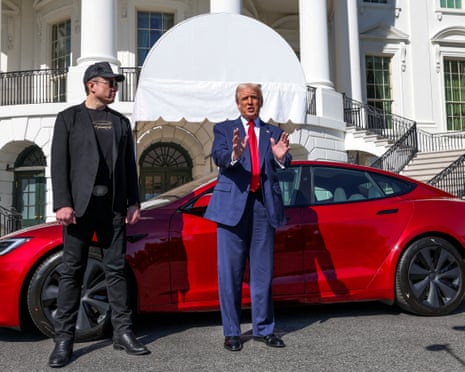
Guterres's central argument focused on the dangerous concentration of AI development and control within a small, powerful cohort of technology tycoons and their corporations. He framed this not merely as an economic issue but as a fundamental threat to global security, equity, and democratic values. When the future of a technology with the potential to reshape economies, militaries, and societies is left to private commercial interests, it risks exacerbating existing inequalities and creating new forms of digital colonialism. The UN chief's statement serves as a direct challenge to the current paradigm, where a handful of companies in the United States and China dominate foundational AI research, compute resources, and large language models.
A Proposed Solution: The $3 Billion Global Fund
To counter this trend, Guterres proposed a concrete mechanism: a $3 billion global fund dedicated to ensuring open and equitable access to AI. The fund's goal would be to bridge the digital divide, enabling researchers, entrepreneurs, and public institutions in developing nations to participate meaningfully in AI innovation. This initiative aligns with the summit's location in India, a developing nation with grand AI ambitions. By advocating for "open" core systems, as later echoed by Indian Prime Minister Narendra Modi, the proposal seeks to prevent AI from becoming a proprietary technology that locks out the majority of the world's population. Open access is seen as essential for fostering global collaboration, safety auditing, and ensuring the technology evolves to address diverse global needs rather than narrow commercial objectives.

International Consensus and National Perspectives
The summit revealed a growing, though nuanced, international consensus on the need for proactive governance. French President Emmanuel Macron emphasized that Europe's approach is not solely about regulation but about being "a space for innovation and investment, but it is a safe space." This reflects a balancing act between fostering economic competitiveness and implementing guardrails. Indian Prime Minister Narendra Modi positioned his country as a crucial testing ground and innovator, stating that "the AI model which succeeds in India can be deployed all over the world." He championed the idea of AI for the "global common good," envisioning an era of human-AI collaboration. The collective message from leaders was clear: the rules of the game must be shaped through multilateral cooperation, not unilateral corporate dictate.
The Path Forward: Governance and Equity
The discussions in New Delhi underscore that the AI debate has decisively shifted from purely technical questions to profound political and ethical ones. The key challenge is constructing a governance framework that can keep pace with technological advancement while upholding principles of equity, transparency, and safety. Guterres's warning about billionaire control is a catalyst for this broader discussion. The proposed global fund, while a significant starting point, would need robust international backing and clear governance structures to succeed. Ultimately, the summit highlighted that ensuring AI benefits all of humanity requires deliberate policy choices, substantial investment in global capacity, and a steadfast commitment to preventing the technology from becoming another source of entrenched power and inequality.