AI Rivalry on Display: OpenAI and Anthropic CEOs Decline Hand-Holding at India Summit
A seemingly minor gesture at a major AI summit in India has highlighted the deepening rivalry between two of the industry's leading companies. During a group photo at the event's opening, Sam Altman of OpenAI and Dario Amodei of Anthropic notably refused to hold hands with other attendees, a moment captured and reported by Al Jazeera. This public display follows a year of escalating competition, including Anthropic's high-profile Super Bowl attack ads targeting OpenAI. The incident underscores the intense, often personal, competition shaping the future of artificial intelligence as companies vie for dominance in a rapidly evolving market.
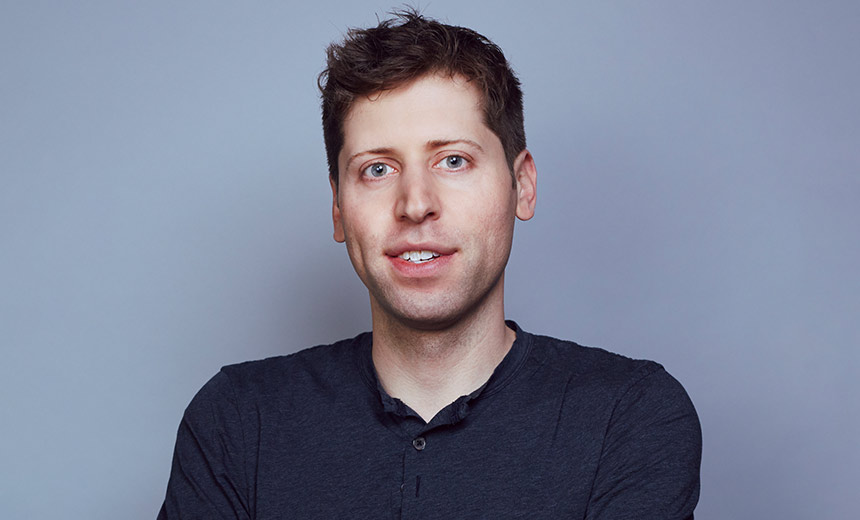
A group photo at the opening of a major artificial intelligence summit in India became an unexpected flashpoint, revealing the tangible tensions between two of the sector's most prominent rivals. According to a report from Al Jazeera, the chief executives of OpenAI and Anthropic, Sam Altman and Dario Amodei respectively, declined to participate in a customary hand-holding gesture during the official photograph. This public moment offers a symbolic glimpse into the fierce competition that is defining the current era of AI development.
The Summit Incident and Its Context
The refusal occurred at a high-profile gathering of AI leaders, policymakers, and researchers. Such summits are typically venues for showcasing collaboration and shared vision for the technology's future. The act of holding hands in a group photo is often intended as a symbol of unity and collective purpose. The deliberate choice by Altman and Amodei to abstain from this gesture sent a clear, non-verbal message of separation and competition to the global audience observing the event.
Escalation of a Corporate Rivalry
This incident did not occur in a vacuum. As noted in the Al Jazeera coverage, the rivalry between OpenAI and Anthropic has intensified significantly. A key escalation point earlier in the year was Anthropic's decision to run attack advertisements during the Super Bowl, one of the most watched television events in the United States. This move represents an unusually aggressive and public marketing strategy in the tech industry, directly challenging OpenAI's market position and public perception.

Implications for the AI Industry
The public nature of this rivalry has several implications. Firstly, it moves competition beyond product benchmarks and technical papers into the realm of public branding and perception. Secondly, it highlights the immense stakes involved, with companies competing not just for market share but for influence over the ethical frameworks, safety standards, and regulatory landscapes that will govern AI. This competition, while driving innovation, also raises questions about whether a fragmented industry can present a unified front on critical issues like safety and global cooperation.
The hand-holding refusal is a microcosm of these larger dynamics. In an industry where collaboration on fundamental research was once more common, the battle for supremacy in generative AI has created clear demarcations. The leaders of these companies are now as much public figures and brand ambassadors as they are technologists, and their actions on the global stage are closely scrutinized for signals about their companies' strategies and relationships.
Conclusion: Symbolism in a Competitive Landscape
The brief moment at the India AI summit, while seemingly minor, encapsulates the current state of play in artificial intelligence. The path forward is being carved by intense rivalry as much as by technological breakthrough. As OpenAI and Anthropic continue to advance their competing visions for AI's future, the industry and its observers should expect such symbolic gestures to occasionally punctuate the technical discourse. The real test will be whether this competition ultimately accelerates beneficial innovation for society or leads to a fractured ecosystem unable to address the technology's profound challenges collaboratively.