Hurricane Kiko Strengthens to Category 4 Over Pacific Ocean
Hurricane Kiko has intensified into a powerful Category 4 storm over the eastern Pacific Ocean, with forecasters predicting potential further strengthening in the coming days. The storm, while currently posing no immediate threat to land, demonstrates the active hurricane season patterns in the Pacific basin. Meteorological authorities continue to monitor Kiko's development as it moves through open waters with fluctuating intensity expected beyond the initial strengthening phase.
Hurricane Kiko has rapidly intensified into a formidable Category 4 storm over the eastern Pacific Ocean, marking a significant development in the region's current hurricane season. Forecasters from the National Hurricane Center indicate that Kiko could potentially strengthen even further in the immediate 24-hour period, though meteorological models suggest its intensity will likely fluctuate in subsequent days.

Currently, Kiko remains positioned well offshore in the eastern Pacific, with no coastal watches or warnings issued for any land areas. The storm's trajectory keeps it safely away from populated regions, minimizing immediate concerns for coastal communities. Meteorological agencies emphasize that no hazards are currently affecting land, allowing for continued monitoring without emergency response activation.
Current Storm Status and Projections
As a Category 4 hurricane, Kiko represents one of the more powerful storm systems in the Pacific basin this season. The classification indicates sustained winds between 130-156 mph, capable of causing catastrophic damage if the storm were to make landfall. Fortunately, current atmospheric conditions and steering patterns are keeping Kiko over open ocean waters, where it poses no threat to human populations or infrastructure.
Monitoring and Preparedness
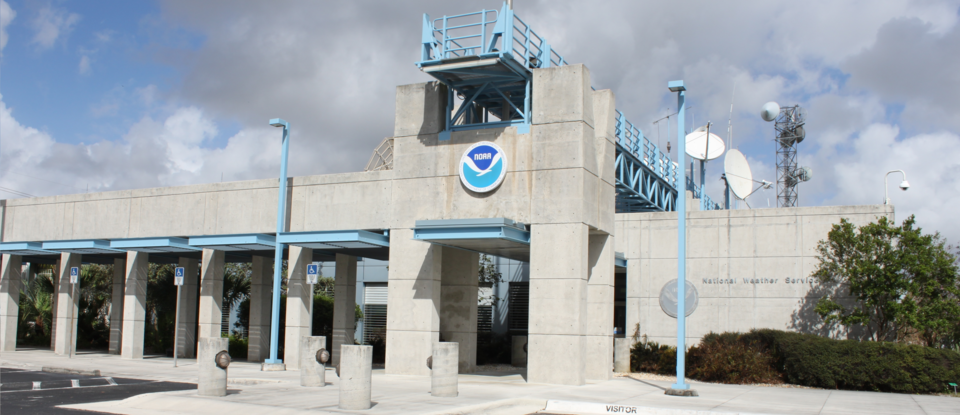
Despite the absence of immediate land threats, meteorological organizations maintain vigilant monitoring of Kiko's development. The storm's potential for intensity fluctuations requires continuous observation and model updates. Forecasting teams utilize advanced satellite technology, hurricane hunter aircraft, and computer modeling to track Kiko's progress and predict its behavior patterns.
The eastern Pacific hurricane season typically runs from May through November, with peak activity occurring between July and September. Kiko's development follows typical seasonal patterns, though its rapid intensification to Category 4 status highlights the unpredictable nature of tropical cyclone behavior. Researchers continue to study these systems to improve forecasting accuracy and public safety preparedness.
As Hurricane Kiko continues its journey through the Pacific, meteorological agencies will provide regular updates regarding its status and any potential changes in trajectory or intensity. The current forecast suggests the storm will remain over open waters, gradually weakening as it encounters less favorable atmospheric conditions in the coming days.