Displaced Lebanese Return Home as Ceasefire Takes Hold Amid Regional Tensions
Tens of thousands of Lebanese civilians, forcibly displaced by Israeli military attacks, utilized the first full day of a fragile ceasefire to return to their homes in southern Lebanon. While the truce largely held, reports emerged of Israeli troops demolishing homes in border towns they continue to occupy. The ceasefire occurs against a complex backdrop of ongoing US-Iran negotiations, the reopening of the Strait of Hormuz, and shifting geopolitical dynamics in the Middle East.
The first day of a tenuous ceasefire between Israel and Lebanon provided a critical, albeit temporary, respite for civilians caught in the crossfire. Tens of thousands of people, forcibly displaced by weeks of intense Israeli bombardment, seized the opportunity to return to their homes, villages, and towns in southern Lebanon. This mass movement homeward, documented by international media, underscores the profound human cost of the conflict even as high-stakes diplomatic maneuvers continue between the United States and Iran, with Lebanon's fate intricately linked to these broader negotiations.

The Human Toll and the Journey Home
For the displaced population, the ceasefire offered the first chance to assess the damage to their lives and livelihoods. Images from the ground showed families navigating rubble-strewn streets, returning to find homes and businesses reduced to ruins. The psychological and material devastation is immense, with the process of rebuilding expected to take years. The ceasefire, while fragile, was a necessary precondition for this initial assessment and for the delivery of humanitarian aid to the hardest-hit areas.
Ongoing Violations and Occupation
Despite the declared cessation of hostilities, the situation on the ground remained tense and imperfect. Several Lebanese news outlets reported that Israeli troops, who continue to control several border towns, were engaged in blowing up homes during the ceasefire period. This activity highlights the complex reality of the truce, which halted aerial bombardment but did not necessarily end all hostile actions or resolve the issue of military occupation in certain areas. The distinction between a ceasefire and a full withdrawal is a critical point of contention for returning residents.
The Geopolitical Context: US Diplomacy and Regional Power Plays
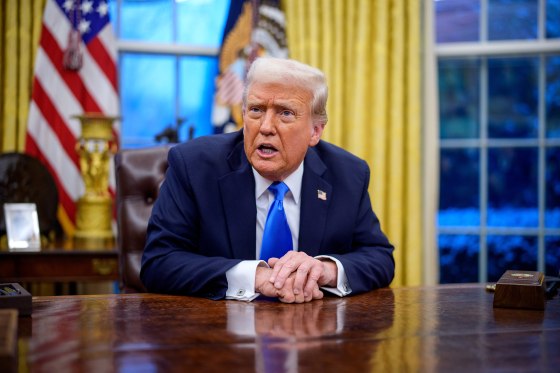
The Lebanon ceasefire cannot be viewed in isolation; it is a direct product of intense US diplomatic pressure and part of a wider set of negotiations primarily focused on Iran. US President Donald Trump explicitly stated he had "prohibited" Israel from further bombing Lebanon, framing it as a US-enforced decision. However, he added that the issue of Hezbollah's presence in southern Lebanon would be dealt with separately "in an appropriate manner," leaving a significant point of future potential conflict unresolved.
Strait of Hormuz Reopening and Economic Impacts
A major parallel development was the announced reopening of the Strait of Hormuz, a critical global oil chokepoint that Iran had disrupted since late February. The resumption of commercial traffic led to an immediate and sharp plunge in global oil prices, with Brent crude falling over 9% to around $90 per barrel. This move provided a significant boost to financial markets, with US stock indices hitting record highs. The economic incentive for stabilizing the region became immediately tangible, though the US maintained its naval blockade on Iranian ports pending a final comprehensive deal.
Contested Narratives on Nuclear Issues
President Trump's public statements, made extensively on social media and to news agencies like Bloomberg and Reuters, presented an optimistic view of progress with Iran. He claimed Iran had agreed to suspend its nuclear program indefinitely and to turn over its enriched uranium stockpile to the United States. Iranian officials, however, promptly dismissed the claim about transferring uranium, indicating a significant gap between the public narratives of the two negotiating parties and suggesting major hurdles remain before a lasting agreement is finalized.
Regional Reactions and the Path Forward
Within Lebanon, President Michel Aoun defended his government's decision to engage in direct talks with Israel, emphasizing that Beirut's actions were solely in the interest of the Lebanese people. The return of displaced civilians is a primary, immediate interest. Regionally, a Pakistani source familiar with the talks told Al Jazeera that "much more needs to be done" between Iran and the US to achieve lasting peace, a sentiment likely echoed in many regional capitals wary of the volatility of the situation.
The US also continued its pressure campaign by imposing new sanctions on commanders of Iranian-aligned Iraqi groups, including Kataib Hezbollah, signaling a multifaceted strategy combining diplomacy with economic and military pressure. Meanwhile, Trump's dismissive comments about NATO, calling the alliance a "Paper Tiger," further illustrated the unilateral nature of current US foreign policy in the region.
Conclusion: A Fragile Respite with Uncertain Future
The first day of the Lebanon ceasefire provided essential humanitarian relief, allowing thousands to return home and survey the damage. However, the foundations of this truce are fragile, built upon complex and still-unfinished negotiations between Washington and Tehran. Ongoing Israeli military activities in occupied border towns and contradictory statements on core issues like Iran's nuclear program reveal the deep-seated tensions that persist. For the people of southern Lebanon, the ceasefire is a temporary window, not a guarantee of long-term safety or stability. The coming days will test whether this pause can evolve into a durable peace or merely serve as an interlude before further conflict. The world watches as diplomatic efforts, economic interests, and the urgent needs of displaced civilians intersect in this volatile corner of the Middle East.