Read on bbc.com
Life on the Frontline: A BBC Correspondent's Journey with Paramedics in War-Torn Nabatieh
BBC Middle East correspondent Hugo Bachega provides a firsthand account from the abandoned city of Nabatieh in southern Lebanon, joining paramedics on duty amidst ongoing conflict. The report reveals a city stripped of its former vibrancy, where medical workers operate under constant threat. It details the human cost of the fighting, including the death of a paramedic killed while speaking to his wife, and explores the contentious allegations surrounding the use of medical facilities by armed groups, which are vehemently denied by Lebanese health authorities.
In the heart of southern Lebanon, the city of Nabatieh stands as a stark monument to the ravages of conflict. Once a vibrant hub, its streets are now largely abandoned, its normal life suspended. BBC Middle East correspondent Hugo Bachega recently embedded with the paramedics who remain on duty in this perilous environment, offering a rare glimpse into the daily realities of providing emergency care on a active frontline. This report sheds light on the immense human displacement, the targeting of medical workers, and the fierce war of narratives surrounding healthcare in war zones.
The Abandoned City: Nabatieh's Descent
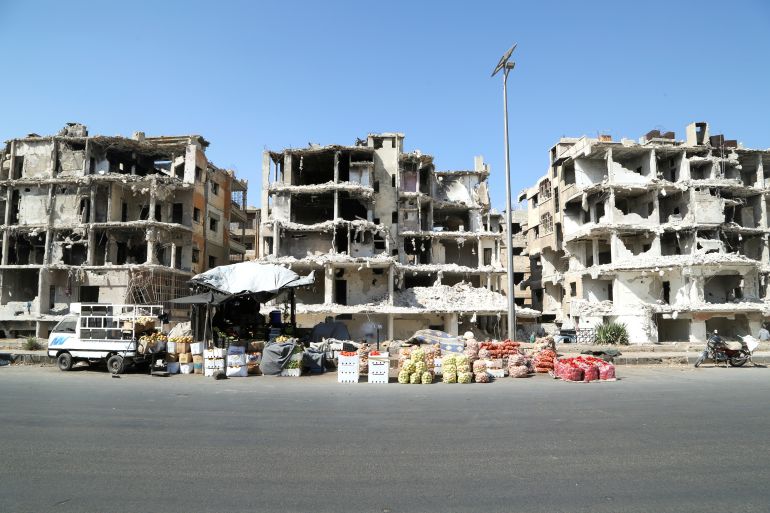
The backdrop to this story is one of mass displacement. Since the renewal of intense fighting in March, one in five people in Lebanon have been forced to flee their homes, according to the BBC report. Cities like Nabatieh have borne the brunt of this exodus. What was once a center of commerce and community life is now a ghost town, its silence broken only by the sound of explosions and sirens. The paramedics navigating these empty streets are not just medical responders; they are among the few witnesses to the total erosion of civilian life in the area, operating in a landscape where every call could be their last.
The Human Cost: Paramedics Under Fire
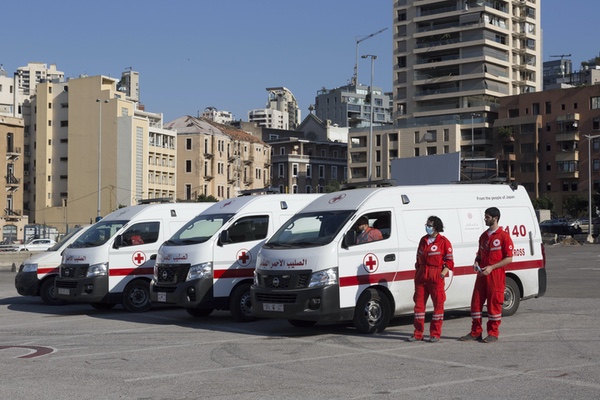
The dangers faced by these medical personnel are not abstract. Bachega's report highlights a particularly harrowing incident at a ruined ambulance station. A paramedic showed the correspondent the exact spot where a colleague was killed by an Israeli strike. Crucially, the medic was speaking on the phone to his wife at the moment he died, a devastating detail that underscores how these strikes shatter personal lives beyond the immediate casualty. This event is not an isolated tragedy but indicative of a pattern where medical workers and facilities find themselves in the crosshairs.
A War of Narratives: Allegations and Denials
The conflict extends beyond the battlefield into a contentious information war concerning medical neutrality. The Israeli military has stated that some ambulances and health facilities in Lebanon are being used by the Hezbollah militant group. However, the paramedics on the ground in Nabatieh told the BBC they have seen no evidence to support this claim. This allegation was starkly illustrated in a separate incident reported by the Israel Defense Forces (IDF), which said troops killed more than 20 Hezbollah fighters operating from a hospital compound in Bint Jbeil. Lebanon's health ministry categorically denied this, accusing Israel of targeting civilians and medical facilities. This clash of accounts creates a fog of war that further endangers healthcare workers, as their protected status under international law comes into question.
The Broader Regional Context
The situation in Nabatieh is a microcosm of the wider regional escalation. The report connects to other significant events, such as the fierce fighting in Bint Jbeil—a site of major battles during the 2006 war—and the broader Israeli-Hezbollah conflict. The targeting of infrastructure, including bridges over the Litani river allegedly used for militant reinforcement, shows a conflict that is systematically dismantling the region's physical and social fabric. The displacement of over a million people in Lebanon creates a humanitarian crisis that stretches far beyond the front lines, overwhelming host communities and resources.
Conclusion: The Unseen Frontline
Hugo Bachega's journey with the paramedics of Nabatieh reveals a critical but often overlooked frontline: the struggle to maintain humanity and provide care amidst utter devastation. The abandoned city, the grieving colleagues, and the contested narratives all paint a picture of a conflict with profound and lasting consequences for civilian life. The work of these paramedics represents a courageous commitment to the principle that medical care must persist even when war seeks to erase everything else. Their testimony challenges the world to look beyond the headlines and recognize the individual lives and communities being irrevocably changed by the ongoing violence in southern Lebanon.