Read on bbc.com
Oil Prices Plunge as Iran Announces Strait of Hormuz Reopening During Ceasefire
Global oil markets experienced a sharp correction as Brent crude prices fell by approximately 10% following Iran's announcement that the strategically vital Strait of Hormuz would remain "completely open" to commercial shipping for the remainder of the current ceasefire. The waterway, which typically handles one-fifth of global oil and liquefied natural gas shipments, had been effectively closed since February, causing significant supply disruptions and price spikes. While the announcement triggered immediate market optimism and stock market rallies, maritime authorities and shipping operators remain cautious, citing ongoing security concerns and the narrow window of opportunity presented by the temporary ceasefire.
Global energy markets reacted swiftly to a significant geopolitical development as Iran declared the Strait of Hormuz would remain "completely open" to commercial vessels throughout the ongoing ceasefire period in the US-Israel conflict with Iran. This announcement triggered an immediate and substantial drop in oil prices, with Brent crude falling from above $98 to approximately $88 per barrel—a decline of roughly 10%—according to reports from the BBC. The price movement reflects the critical importance of this narrow maritime chokepoint to global energy security and economic stability.
The Strategic Importance of the Strait of Hormuz
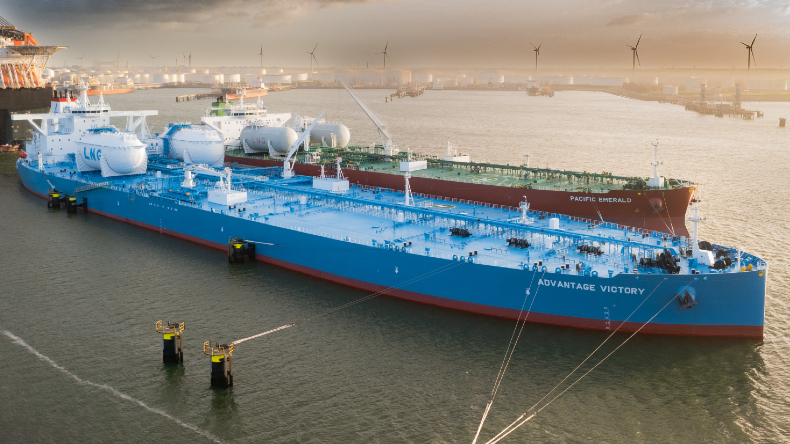
The Strait of Hormuz represents one of the world's most critical energy transit corridors. This narrow strip of water south of Iran typically facilitates the passage of approximately one-fifth of global oil supplies and significant volumes of liquefied natural gas. Since late February, when military strikes began, Iran had effectively shut down this vital artery, reducing tanker traffic to a trickle and creating severe supply constraints on global markets. The closure caused Brent crude prices to surge from under $70 per barrel before the conflict to a peak exceeding $119 in March, demonstrating the waterway's disproportionate influence on global energy economics.
Market Reactions and Economic Implications
The announcement of the Strait's reopening triggered immediate positive reactions across global financial markets. Major stock indices rallied, with the US S&P 500 closing up 1.2%, while European markets in Paris and Frankfurt gained approximately 2%. London's FTSE 100 also posted a 0.7% increase. US President Donald Trump welcomed Iran's statement on his Truth Social platform, expressing appreciation for the commitment to keep the waterway open. However, the market response remains tempered by the temporary nature of the ceasefire, which currently offers only a nine-day window for shipping operations to resume normal patterns.
Maritime Safety Concerns and Industry Caution
Despite Iran's declaration, significant concerns persist within the international shipping community. The global shipping organization BIMCO has advised operators to exercise extreme caution, noting that "the status of mine threats in the traffic separation scheme is unclear" and recommending that companies consider avoiding the area entirely. The International Maritime Organization (IMO) is currently verifying the details of Iran's commitment, particularly regarding compliance with established navigation protocols and safety standards. Industry operators have expressed reluctance to be the first to transit the Strait, prioritizing crew and vessel safety above commercial opportunity.
Broader Economic Impacts Beyond Oil
The closure of the Strait of Hormuz has created ripple effects across multiple sectors beyond energy. Approximately one-third of the world's key fertilizer chemicals typically pass through this waterway, and their disrupted supply has contributed to rising agricultural input costs with potential implications for global food prices. The aviation sector has faced particular pressure due to jet fuel supply concerns, with some European energy executives warning of potentially critical shortages. While UK petrol and diesel prices showed slight declines following the announcement, they remain significantly elevated compared to pre-conflict levels, continuing to strain consumer budgets.
Outlook and Future Considerations
The temporary reopening offers a narrow opportunity for trapped vessels to exit the region and for limited shipping to resume, but experts caution that a return to pre-war shipping volumes remains unlikely during the brief ceasefire window. Professor ManMohan Sodhi of Bayes Business School notes that even if a longer-term peace agreement is reached, "supply chains will take months to clear" the backlog created by months of disruption. The situation underscores the fragile nature of global energy infrastructure and the profound economic consequences when critical transit routes become geopolitical flashpoints. Market stability will likely remain contingent on both the duration of the ceasefire and verifiable security assurances for commercial shipping operations.