One Year Later: How Sweeping U.S. Tariffs Reshaped the LA Port
More than a year after the implementation of major U.S. tariffs, the Port of Los Angeles has experienced a dramatic cycle of boom and adjustment. The initial surge in container volumes, driven by companies rushing to beat the new duties, has given way to a period of fading activity and heightened uncertainty for logistics operators. This analysis examines the post-tariff landscape at one of America's most critical trade gateways and what it signals for the future of global supply chains.
It has been over a year since a significant shift in U.S. trade policy, widely referred to as "Liberation Day," implemented sweeping tariffs that fundamentally altered global trade patterns. As a primary gateway for transpacific commerce, the Port of Los Angeles (LA Port) served as the frontline for these changes, experiencing immediate and profound impacts. The initial response was a record-breaking surge in activity, but recent data indicates a new phase of volatility and adjustment is underway, creating a complex outlook for the port's operators and the broader logistics industry.
The Initial Surge: A Record-Breaking Rush
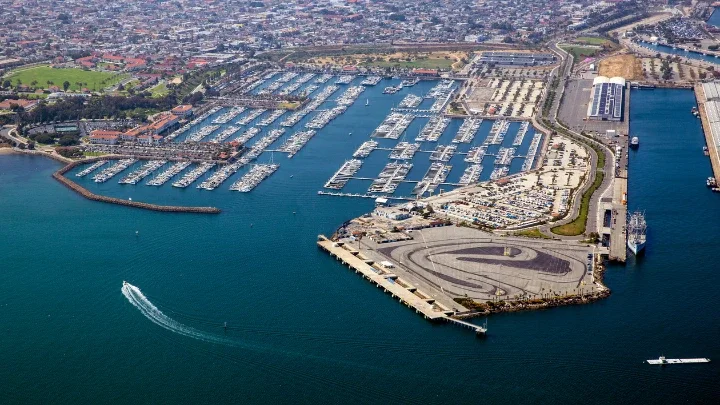
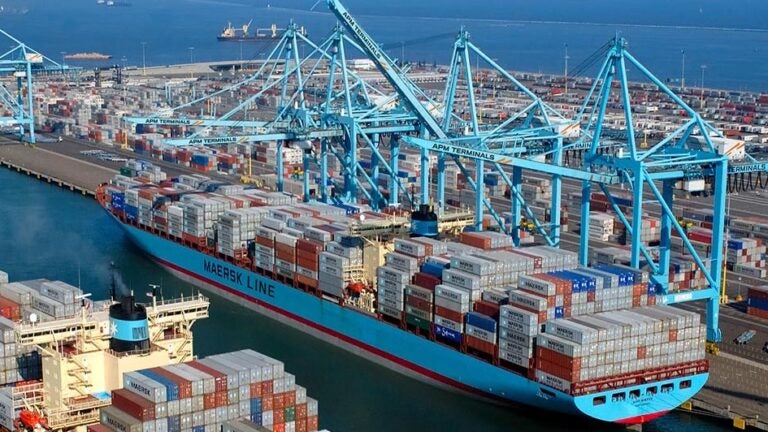
In the immediate lead-up to and aftermath of the tariff implementation, companies engaged in a frantic effort to import goods ahead of the new cost barriers. This strategic stockpiling led to an unprecedented influx of container traffic through Southern California's ports. According to reports, 2025 marked a record year for container volume imported into the region. The LA Port, in conjunction with the adjacent Port of Long Beach, was inundated as shippers sought to mitigate future price increases by moving inventory early. This period highlighted the port's critical role and its vulnerability to sudden policy shifts, as terminals and logistics networks strained under the unexpected volume.
The Fading Boom and Emerging Volatility
The record volumes of 2025 were not sustainable. The latest operational numbers suggest the initial surge is now fading, as the pipeline of pre-ordered goods has been largely exhausted and companies adjust their long-term sourcing strategies. This decline from peak activity is creating a new landscape of uncertainty for port authorities, terminal operators, and logistics firms. The volatility makes it difficult to forecast demand, plan capital investments, and manage labor needs effectively. The transition from a boom to a more normalized, yet unpredictable, flow of goods is the current challenge facing the LA Port complex.
Long-Term Implications for Port Operations and Trade
The lasting impact of the tariffs extends beyond temporary volume fluctuations. The event has forced a reassessment of supply chain resilience and the geographic flow of trade. While the LA Port remains a dominant force, the policy-induced volatility underscores the risks of over-reliance on any single trade lane or policy environment. Port authorities and their private-sector partners must now navigate a future where trade policy can trigger rapid, seismic shifts in cargo flows. This environment demands greater flexibility, investment in data analytics for better forecasting, and potentially a diversification of the types of cargo and trade partnerships the port cultivates.
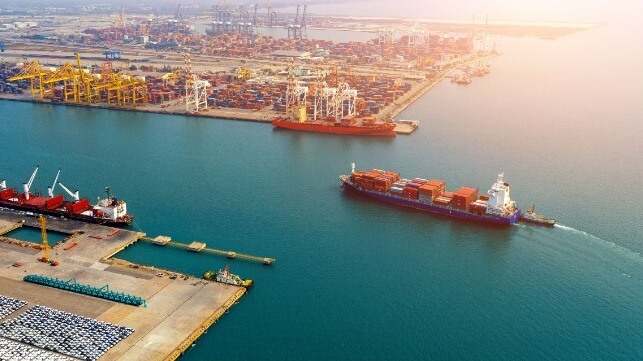
One year after the tariffs reshaped the landscape, the Port of Los Angeles stands at a crossroads. The experience of a sharp boom followed by a corrective downturn has been a stark lesson in the intersection of geopolitics and global logistics. The path forward requires adapting to a new normal defined by policy-driven volatility. For the LA Port, maintaining its status as a premier global gateway will depend on its ability to build operational resilience and strategic agility in the face of such unpredictable, macro-economic forces.