Read on PBS News
Understanding the Volatility in Global Energy Markets Amid Geopolitical Tensions
Recent geopolitical conflict has triggered significant volatility in global energy markets, with oil prices experiencing dramatic swings. This article analyzes the factors behind the price surge near $120 per barrel and the subsequent sharp decline, examining the role of the Strait of Hormuz closure and its impact on global oil and LNG supplies. We explore expert insights on the potential 'nightmare scenario' for energy markets and how consumers are already feeling the effects through rising gasoline prices, with the national average increasing nearly 50 cents per gallon since the conflict began.
The global energy landscape has entered a period of heightened volatility, driven by escalating geopolitical tensions that directly threaten critical supply routes. Recent market movements have demonstrated how quickly energy prices can surge in response to security concerns, with oil briefly approaching $120 per barrel before experiencing a sharp correction. This volatility represents more than just numbers on a trading screen—it translates directly to consumer pain at the gasoline pump and potential economic repercussions worldwide.

The Strait of Hormuz: A Critical Global Chokepoint
The recent price surge was primarily triggered by the closure of the Strait of Hormuz, a narrow waterway that serves as a crucial artery for global energy supplies. According to energy expert Daniel Yergin, vice chairman of S&P Global, this passage handles approximately 20 percent of the world's oil and 20 percent of liquefied natural gas (LNG) shipments. The strategic importance of this waterway cannot be overstated, as its closure immediately creates supply concerns that reverberate through global markets.
Beyond the physical closure, markets reacted to fears of potential attacks on the extensive energy infrastructure along the Arab side of the Persian Gulf. This combination of actual disruption and perceived risk created the perfect conditions for price spikes, demonstrating how energy markets respond not just to current supply conditions but to anticipated future disruptions.

Market Psychology and Price Corrections
While prices surged dramatically overnight, they fell sharply by the end of the trading day, finishing closer to $87 per barrel. This correction occurred following statements suggesting the conflict might soon be resolved. The market's rapid response highlights how energy prices are driven by both physical supply constraints and psychological factors, including trader expectations and geopolitical assessments.
Even with the correction, current prices remain significantly higher than pre-conflict levels, when oil traded around $72 per barrel. This sustained elevation reflects ongoing market concerns about supply security and the potential for renewed disruptions. The volatility demonstrates how energy markets can swing dramatically based on changing assessments of geopolitical risks and potential resolutions.
Consumer Impact and Economic Consequences
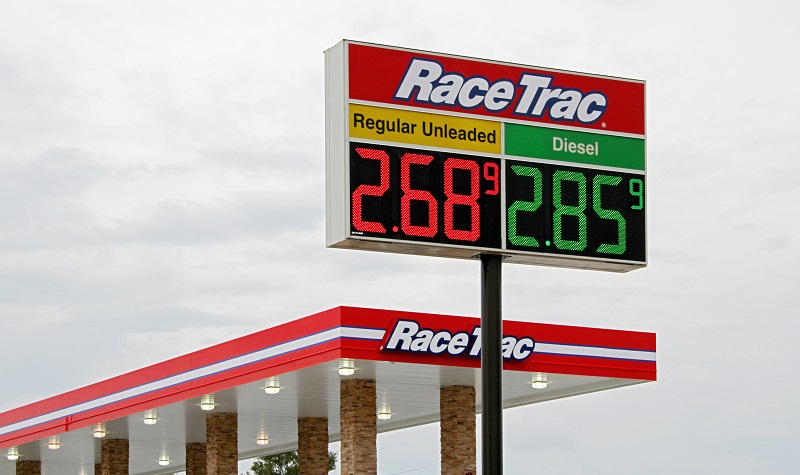
The most immediate impact for consumers has been at the gasoline pump, where the national average price per gallon has increased by nearly 50 cents since the conflict began. However, the effects extend beyond direct fuel costs. Energy represents a significant input cost across multiple sectors of the economy, particularly agriculture, where approximately 70 percent of food costs can be attributed to energy inputs for transportation, processing, and production.
The potential for broader economic impact remains a serious concern. According to expert analysis, an extended closure of the Strait of Hormuz combined with damage to regional infrastructure could create what Yergin describes as a "nightmare scenario"—one that could push oil prices even higher than the recent spike, disrupt financial markets, and potentially push the global economy into recession, echoing the oil crises of the 1970s.
Global Supply Chain Implications
The disruption has particularly affected Asian markets, which receive approximately 80 percent of the oil and over 90 percent of the LNG that passes through the Strait of Hormuz. This regional concentration of impact demonstrates how supply chain vulnerabilities can create disproportionate effects in different parts of the world. The United States and other Western nations may experience secondary effects as global markets adjust to these regional shortages.
Market participants remain cautious despite some limited shipping activity, with one large tanker successfully passing through the strait recently. Most shipping companies continue to avoid the route due to concerns about drone attacks, explosive speedboats, and elevated insurance rates. Until security concerns are adequately addressed and insurance costs normalize, normal shipping patterns are unlikely to resume.
Strategic Reserves and Market Stabilization
In response to the crisis, discussions have emerged about potential releases from strategic petroleum reserves maintained by the United States and other International Energy Agency member countries. These reserves, established following the oil crises of the 1970s, are specifically designed to address supply disruptions of this nature. Their potential deployment represents one tool governments can use to stabilize markets during periods of extreme volatility.
The distinction between physical supply availability and market pricing psychology becomes particularly important in these situations. While strategic reserves and other supply sources may exist, market prices reflect what traders are willing to pay based on their assessment of future risks and availability. This disconnect between physical reality and market perception can create pricing dynamics that seem disconnected from immediate supply conditions.
Geopolitical Considerations and Future Outlook
The current situation highlights the complex interplay between energy markets and geopolitical dynamics. The conflict has created unintended beneficiaries, with Russia potentially gaining increased revenue from higher global energy prices that could help fund its military activities in Ukraine. This demonstrates how energy market disruptions can have cascading geopolitical effects beyond their immediate economic impacts.
Looking forward, market stability will depend on several factors: the resolution of the immediate conflict, restoration of secure shipping through the Strait of Hormuz, and broader geopolitical developments in the region. While recent statements have provided some optimism about potential resolutions, the underlying vulnerabilities in global energy supply chains have been clearly exposed, suggesting that volatility may remain a feature of energy markets for the foreseeable future.
For consumers and policymakers alike, the recent market movements serve as a reminder of the interconnected nature of global energy systems and the rapidity with which geopolitical events can translate into economic impacts. As the situation continues to evolve, monitoring both physical supply developments and market psychology will be essential for understanding potential future price movements and their broader economic implications.