Read on PBS News
Wall Street Hits Record High as S&P 500 Rally Continues on Hopes for Iran War Resolution
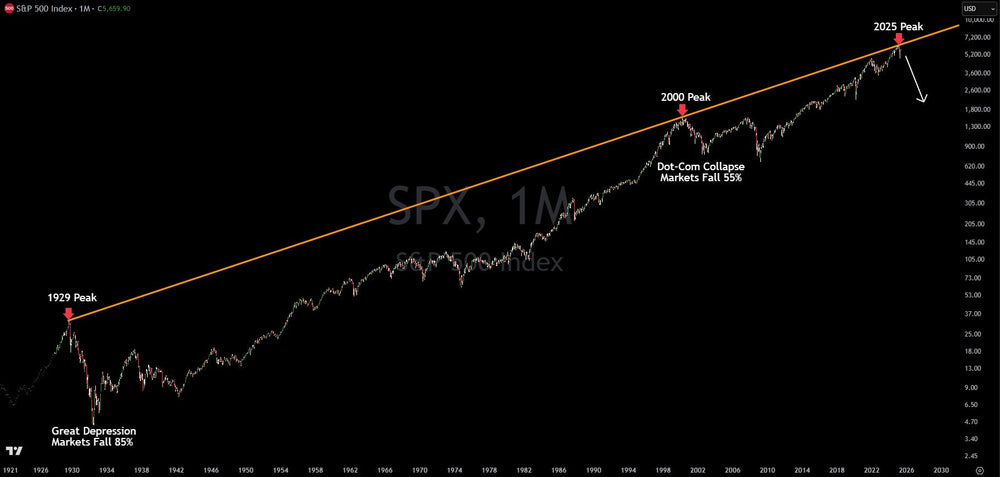
The S&P 500 has surged past its previous all-time high, climbing 0.8% to reach a new record as a two-week rally continues. This market optimism is largely fueled by growing expectations for a diplomatic resolution to the U.S.-Iran conflict, which could avert a worst-case economic scenario. While the rally has recovered from a nearly 10% correction in late March, questions remain about whether this optimism is justified and if current stock valuations are sustainable given ongoing geopolitical risks.
The U.S. stock market reached a historic milestone on Wednesday, with the S&P 500 index climbing 0.8% to surpass its previous all-time high set in January. This achievement marks the continuation of a two-week rally that has seen the market recover from a significant downturn, driven primarily by investor optimism surrounding potential diplomatic progress in the U.S.-Iran conflict. The central question facing investors is whether this market optimism reflects realistic prospects for peace or represents premature enthusiasm in a still-volatile geopolitical landscape.
The Market Rally and Recovery Trajectory
After falling nearly 10% below its record in late March—a decline significant enough to be classified as a market "correction"—the S&P 500 has roared back with more than a 10% gain. This recovery has been particularly noteworthy given the economic uncertainties surrounding the conflict in the Middle East. The index, which serves as the benchmark for many retirement accounts and investment portfolios, has demonstrated remarkable resilience despite the geopolitical headwinds that have characterized much of 2026.
The rally's foundation rests on expectations that tensions in the Persian Gulf region will ease, potentially allowing for the resumption of normal oil flows to global markets. According to regional officials cited by the Associated Press, the United States and Iran had reached an "in principle agreement" to extend a ceasefire, creating space for further diplomatic negotiations. This development has provided the catalyst for renewed investor confidence across global markets.
Oil Market Dynamics and Economic Implications
The connection between geopolitical developments and financial markets is perhaps most evident in the oil sector. Brent crude, the international benchmark for oil prices, settled at $94.93 per barrel on Wednesday—a price that remains substantially higher than the approximately $70 level seen before the conflict began. However, this represents a significant retreat from the peak of $119 reached when concerns about the fighting were at their most intense.
This price moderation suggests that markets are pricing in reduced risk of supply disruptions, though caution remains evident in the modest daily movements. The fundamental economic concern has been that sustained high oil prices would translate into persistent inflation, potentially forcing central banks to maintain restrictive monetary policies that could hinder economic growth. A diplomatic resolution could transform the conflict from a structural economic threat into a temporary setback, allowing investors to refocus on corporate fundamentals rather than geopolitical risks.
Corporate Performance and Market Fundamentals
Beyond geopolitical developments, corporate earnings have provided additional support for the market rally. Major financial institutions reported strong first-quarter results, with Bank of America announcing $8.6 billion in profit—exceeding analyst expectations—and CEO Brian Moynihan pointing to signs of a "resilient American economy" characterized by solid consumer spending. Similarly, Morgan Stanley delivered better-than-expected results, with its stock jumping 4.5% following the earnings announcement.
Technology stocks, which had faced significant pressure earlier in the year due to concerns about artificial intelligence investments and potential obsolescence, also participated in the recovery. Companies like ServiceNow, Oracle, and Ares Management posted substantial gains on Wednesday, though they remain down between 12% and 39% for the year overall. This selective recovery suggests that investors are differentiating between companies based on their specific exposure to AI-related risks and opportunities.

Valuation Considerations and Market Outlook
With stock prices returning to January levels and analyst expectations for corporate profits having increased since then, some market observers argue that equities appear more reasonably valued than they did several months ago. Mason Mendez, investment strategy analyst at Wells Fargo Investment Institute, noted that "today, we see compelling opportunity potential" in certain market segments, particularly technology stocks that may represent better value propositions than earlier in the year.
However, the market's optimism remains contingent on diplomatic progress. As highlighted in the AP report, stocks could easily resume their decline if expectations for peaceful resolution are undermined—a scenario that has occurred previously during the conflict. The modest movements in global stock indexes following their recent substantial gains suggest that investors are maintaining a degree of caution despite the overall positive trend.
Conclusion: Cautious Optimism in Uncertain Times
The S&P 500's record close represents a significant milestone in what has been a volatile year for financial markets. While the rally reflects genuine optimism about potential diplomatic breakthroughs, it also underscores the market's sensitivity to geopolitical developments. Investors should maintain perspective that stock prices ultimately follow corporate earnings over the long term, and the current environment requires careful assessment of both geopolitical risks and fundamental business strengths.
The coming weeks will be crucial in determining whether the current market optimism is justified. Successful diplomatic negotiations could validate the recent rally and support continued economic growth, while setbacks could quickly reverse market gains. For now, the record-high S&P 500 serves as both a testament to market resilience and a reminder of the delicate balance between geopolitical developments and financial market performance.