Iran and US to Hold Ceasefire Talks in Pakistan: A Diplomatic Breakthrough
In a significant diplomatic development, delegations from Iran and the United States have arrived in Islamabad, Pakistan, for scheduled peace talks. The Iranian delegation, led by Parliament Speaker Mohammad Baqer Qalibaf, will meet with a US team headed by Vice President JD Vance. The talks, set for Saturday, aim to negotiate a possible ceasefire and peace plan, with both sides holding separate preliminary meetings with Pakistani Prime Minister Shehbaz Sharif. This meeting represents a crucial opportunity to de-escalate regional tensions and explore a path toward stability.
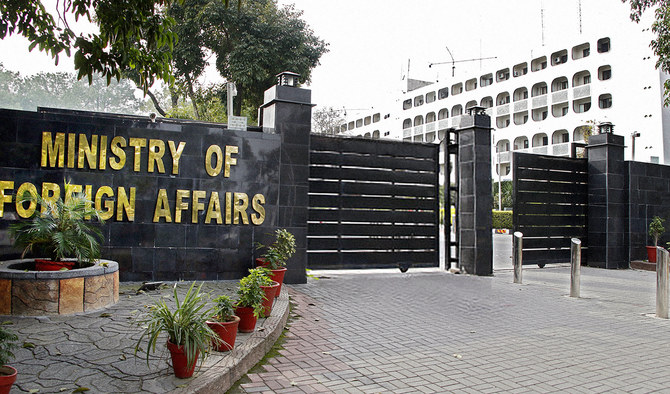
In a pivotal moment for international diplomacy, high-level delegations from the Islamic Republic of Iran and the United States have converged in Islamabad, Pakistan, for direct peace negotiations. This meeting, scheduled for Saturday, marks a rare and significant attempt to bridge a deep-seated geopolitical divide through dialogue. The talks are focused on negotiating a potential ceasefire and formulating a broader peace plan, with Pakistan serving as the neutral host and facilitator. The arrival of both delegations sets the stage for what could be a landmark step toward reducing hostilities and fostering regional stability in a volatile part of the world.
Key Delegations and Participants
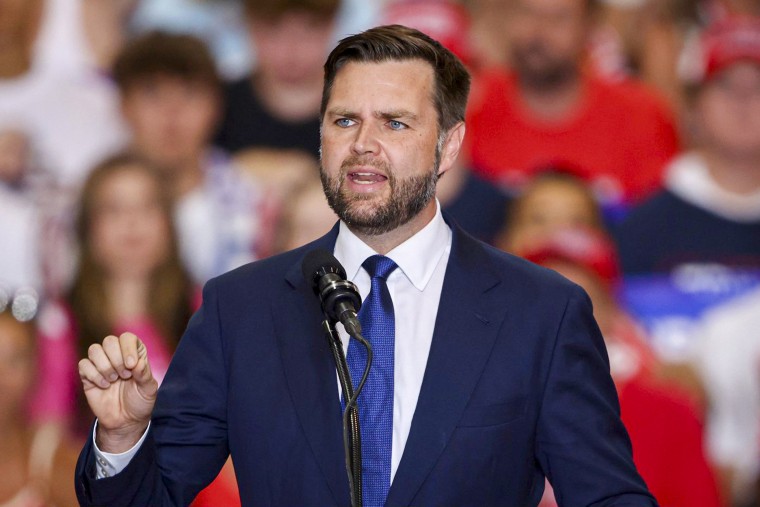
The composition of the delegations underscores the seriousness with which both nations are approaching these talks. The United States delegation is led by Vice President JD Vance and includes several high-profile figures with deep expertise in regional and security matters. According to reports from CGTN, the team is joined by General Brad Cooper, the commander of US Central Command (CENTCOM), which oversees American military operations in the Middle East. Also present are Special Envoy Steve Witkoff and Jared Kushner, former senior adviser and son-in-law to ex-President Donald Trump, who has previously been involved in Middle East peace efforts.
On the Iranian side, the delegation is headed by Parliament Speaker Mohammad Baqer Qalibaf, a prominent conservative political figure and former commander of the Islamic Revolutionary Guard Corps (IRGC) Air Force. His leadership signals Tehran's commitment to the process at a high governmental level. The involvement of such senior officials from both countries suggests that the talks have the potential to address substantive issues beyond mere symbolism.
The Structure and Agenda of the Talks
The diplomatic proceedings are structured to allow for bilateral consultations with the host nation before the main event. As reported by Iran's Tasnim news agency, both the US and Iranian delegations are scheduled to hold separate meetings with Pakistani Prime Minister Shehbaz Sharif ahead of the direct ceasefire talks between the two sides on Saturday afternoon. This format allows Pakistan to convey each party's preliminary positions and concerns, helping to set a constructive tone for the direct engagement.
The core agenda revolves around a "possible peace plan," with an immediate focus on establishing a ceasefire. The context for these talks is critical; they come amid a backdrop of heightened regional tensions and specific incidents, such as the reported strikes on Iranian nuclear sites by US and Israeli forces in late March 2026, even as ceasefire discussions were being considered. The primary objective will be to find a formula to halt immediate hostilities and create a framework for managing longer-term disputes, including security concerns and regional influence.
Pakistan's Role as Mediator
Pakistan's position as the host is strategically significant. It maintains diplomatic relations with both the United States and Iran, though each relationship is complex. Islamabad has historically walked a fine line, balancing its strategic partnership with Washington and its cultural, religious, and economic ties with Tehran. By offering its capital as a neutral venue, Pakistan is asserting its diplomatic relevance and its desire to see stability on its western border with Iran. A successful mediation effort would significantly boost Pakistan's international standing and could help mitigate its own security challenges linked to regional instability.

Regional and Global Implications
The outcome of these talks carries profound implications for the Middle East and global security architecture. A successful ceasefire agreement could open the door to a broader diplomatic process, potentially involving other regional actors and addressing interconnected conflicts. It could also impact global energy markets and international non-proliferation efforts. Conversely, a failure to reach an agreement could lead to a further escalation of conflict, with unpredictable consequences. The international community, including other global powers, will be watching closely as these unprecedented direct talks unfold.
In conclusion, the Iran-US talks in Pakistan represent a fragile but crucial diplomatic opening. The presence of high-level delegations indicates a mutual, albeit cautious, recognition that dialogue is necessary. While the path to a lasting peace is fraught with challenges, the very act of meeting face-to-face in a third country is a positive development. The world now waits to see if this diplomatic initiative can translate into tangible de-escalation and a more stable future for the region.