Read on France 24
Analyzing the Symbolism of Trump's McDonald's Delivery During a Press Conference on Iran and the Pope
In April 2026, a press conference by US President Donald Trump took an unusual turn when he received a DoorDash delivery from McDonald's to the Oval Office while discussing high-stakes foreign policy regarding Iran and the Pope. This incident, captured by France 24, serves as a powerful case study in political communication, blending the mundane with the momentous. The event highlights how modern political theater can use personal brand and informal gestures to shape public perception, even during discussions of international diplomacy and religious relations. This article examines the context, symbolism, and implications of this bizarre juxtaposition in American political culture.
Political press conferences are typically orchestrated events designed to convey policy, project authority, and manage the national narrative. However, in April 2026, an event reported by France 24 disrupted this norm, offering a surreal glimpse into the intersection of personal habit and presidential duty. US President Donald Trump, while fielding questions on critical issues including Iran and the Pope, paused to receive a DoorDash delivery from McDonald's directly to the Oval Office. This act, far from a mere personal indulgence, became a calculated piece of political theater, reflecting a unique communication style that deliberately blurred the lines between the informal and the official.

The Context: A Press Conference on Weighty Matters
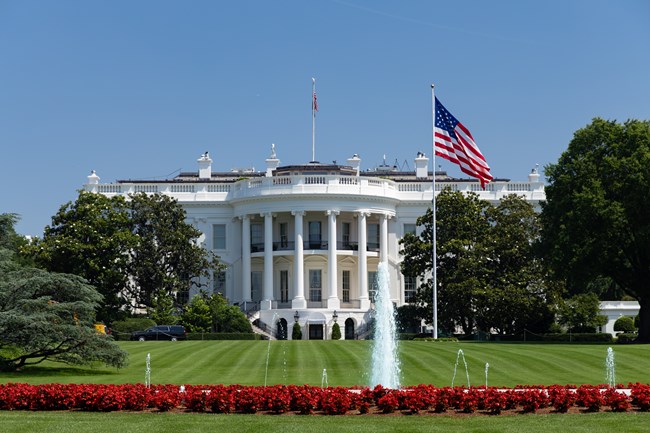
According to the France 24 report, the press conference was not a trivial affair. The agenda covered geopolitically sensitive topics. Discussions on Iran were particularly salient, coming on the heels of related announcements about regional strategy. Simultaneously, Trump addressed matters concerning the Pope, following public criticism and a refusal to apologize. These subjects represent the traditional pillars of presidential communication: foreign policy and international diplomacy. The setting—the Oval Office—is the ultimate symbol of American executive power. Into this formal, high-stakes environment entered a DoorDash driver bearing fast food, creating a jarring contrast that was impossible to ignore.
Decoding the Symbolism: Brand, Informality, and Control
The choice of McDonald's is deeply symbolic. It is not just any food; it is an iconic American brand, often associated with affordability, consistency, and a certain blue-collar authenticity. By publicly consuming it, Trump reinforced a long-standing personal brand connection to the franchise, a tactic used throughout his career to signal that he remains untouched by what he might label as elite, coastal preferences. The use of DoorDash, a modern gig-economy service, further anchored the moment in contemporary, everyday life. This performative informality serves multiple purposes: it can disarm critics, create a relatable media moment, and assert a sense of normalcy and control amidst complex global crises. It signals that the president is so confident and in command that he can attend to routine personal matters without being distracted from affairs of state.

Political Communication in the Modern Media Landscape
This incident is a textbook example of how political communication has evolved. The visual of fast food in the Oval Office is inherently shareable and meme-worthy, guaranteeing extensive coverage beyond the traditional policy points discussed. It effectively hijacks the news cycle, ensuring the press conference is remembered for this bizarre detail as much as for its substantive content on Iran or the Pope. This strategy can be seen as a method to control the narrative. By providing an unusual, personal hook, the conversation potentially shifts from critical analysis of policy to cultural commentary on the president's habits, which can be a more favorable terrain for certain political figures. It reflects an understanding that in a fragmented media environment, spectacle often competes with—and sometimes overshadows—substance.
Implications for Public Perception and Political Norms
The normalization of such informal acts within the most formal office in the land has broader implications. For supporters, it may reinforce an image of a president who is authentic, unpretentious, and defiant of outdated protocols. For critics, it may underscore a perceived disrespect for the dignity of the presidency and a concerning prioritization of personal brand over presidential decorum. The event, as covered by France 24, challenges traditional notions of how statecraft is presented to the public. It raises questions about whether such tactics enhance transparency and relatability or if they contribute to the erosion of institutional gravitas necessary for conducting delicate international relations, especially on topics as charged as Middle Eastern policy and Vatican diplomacy.
Conclusion: More Than a Fast-Food Meal
President Trump's decision to receive a McDonald's delivery during a press conference on Iran and the Pope was far from a random act. It was a deliberate communication strategy, rich with symbolism. It leveraged brand association, embraced performative informality, and was expertly calibrated for the modern media landscape. While the discussions on Iran and the Pope addressed immediate geopolitical and diplomatic concerns, the DoorDash delivery addressed a more meta-political concern: the perpetual shaping of the president's public image. This incident, as documented in the France 24 report, serves as a compelling case study in how contemporary politics often unfolds not just through speeches and policies, but through curated, seemingly off-script moments that are designed to resonate on a cultural level.