Read on PBS News
Political Analysis: Trump's Unpredictability and the 2028 Democratic Field
A recent PBS NewsHour analysis with David Brooks and Jonathan Capehart examined critical developments in U.S. politics, focusing on President Trump's escalating rhetoric and foreign policy decisions. The discussion centered on Trump's threats against Iran, questions about his mental acuity, and the implications for American leadership. Simultaneously, early positioning for the 2028 presidential election emerged as former Vice President Kamala Harris and former Transportation Secretary Pete Buttigieg expressed interest in potential Democratic bids, signaling a political landscape in flux.
The American political landscape continues to evolve with unprecedented developments that challenge traditional norms of presidential conduct and foreign policy. Recent analysis from PBS NewsHour featuring commentators David Brooks of The Atlantic and Jonathan Capehart of MS NOW provides crucial insights into President Trump's escalating rhetoric, questions about his mental fitness, and the early positioning for the 2028 presidential election. This examination reveals a political environment marked by volatility and significant departures from established diplomatic protocols.

Foreign Policy and Presidential Rhetoric
The recent ceasefire between the United States and Iran, following President Trump's threats to "wipe out a civilization," represents a critical moment in American foreign policy. According to the PBS NewsHour analysis, this sequence of events—from extreme threats to diplomatic resolution within hours—raises fundamental questions about strategic coherence. David Brooks characterized Trump's rhetoric as "maximum malevolence" that contradicts America's historical identity as a nation that, despite its flaws, has generally avoided imperial domination. The analysis suggests that while the immediate crisis may have been temporarily resolved, the underlying dynamics reveal a weakening American position in negotiations.
Questions of Presidential Fitness
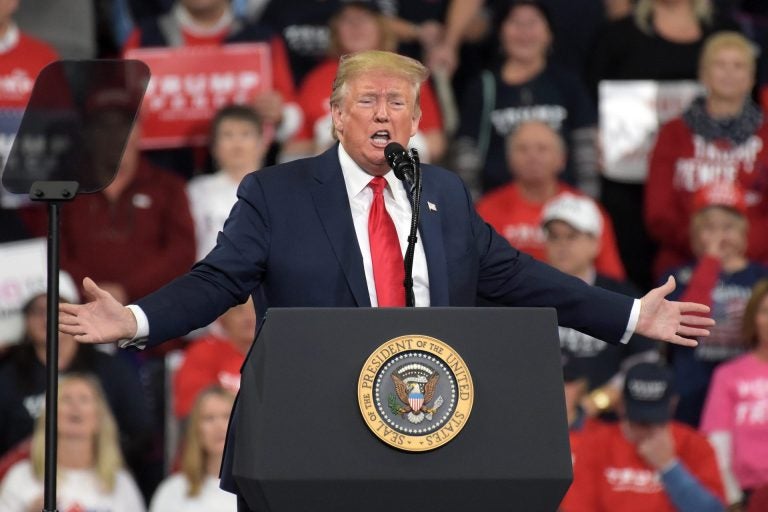
Perhaps the most striking aspect of the discussion centered on President Trump's mental acuity and psychological state. Jonathan Capehart directly questioned whether "the president is all right," noting that no previous American president has made similar threats within such a compressed timeframe. This concern is amplified by polling data indicating that 61% of Americans, including 30% of Republicans, believe Trump has become erratic with age. The analysis highlighted a perceived double standard in media scrutiny, with extensive focus on President Biden's age and mental fitness during his administration, while similar questions about Trump receive comparatively less attention despite what commentators describe as "ample evidence that something is not right."
Historical Parallels and Constitutional Concerns
David Brooks drew historical parallels to ancient Roman authoritarians, suggesting that Trump's behavior follows a pattern of deterioration observed in authoritarian leaders throughout history. He referenced Tacitus and Sallust's accounts of leaders like Caligula, who became increasingly disinhibited and surrounded themselves with sycophants as their power grew. This historical perspective connects to the Founding Fathers' fears about tyrannical leadership, with John Adams warning that such a leader would "run through our Congress, our Constitution the way a whale goes through a net." The analysis raises concerns about whether contemporary political institutions possess adequate safeguards against such leadership.
The 2028 Presidential Landscape
Amidst these concerns about current leadership, early positioning for the 2028 presidential election has already begun. At Reverend Al Sharpton's National Action Network Convention, both former Vice President Kamala Harris and former Transportation Secretary Pete Buttigieg indicated they are considering runs for the Democratic nomination. Harris responded to direct questioning about her potential candidacy with "I might. I'm thinking about it," while Buttigieg has similarly expressed interest. This unusually early positioning suggests that Democratic leaders recognize the significance of the next presidential election as potentially transformative.
Cultural Shifts and Political Transformation
David Brooks framed the 2028 election as potentially "one of the biggest change elections in American history," suggesting it could represent not merely a change in policy but a fundamental cultural shift. He drew parallels to previous transformative elections that brought John F. Kennedy, Jimmy Carter, and Ronald Reagan to power, each representing a distinct cultural departure from their predecessors. Brooks predicted that voters would likely seek "somebody who is as different from Donald Trump as it's humanly possible to be," suggesting a potential pendulum swing away from current political styles toward greater idealism and positive national narrative.

Conclusion: Navigating Political Uncertainty
The current political moment presents significant challenges to American democratic norms and international standing. The combination of unprecedented presidential rhetoric, questions about leadership fitness, and early positioning for future elections creates an environment of considerable uncertainty. As the analysis from Brooks and Capehart suggests, these developments test not only specific policies but fundamental aspects of American political culture and constitutional design. The path forward will likely require renewed attention to institutional safeguards, media accountability, and the cultivation of leadership that can address both domestic concerns and America's role in an increasingly complex global landscape.