Read on PBS News
Israel-Lebanon Talks Proceed Amid Threats to Fragile U.S.-Iran Ceasefire
Israel has agreed to negotiations with Lebanon as its military strikes risk undermining a delicate ceasefire between the United States and Iran. This diplomatic development coincides with planned talks between American and Iranian officials in Pakistan, though significant trust deficits and ambiguous terms cast doubt on ending over five weeks of conflict. The situation highlights the interconnected nature of Middle Eastern tensions and the precarious path toward regional de-escalation.
In a significant diplomatic maneuver, Israel has consented to engage in talks with Lebanon, a move that unfolds against the backdrop of a highly fragile truce between the United States and Iran. According to a report from PBS News, Israel's ongoing military actions in the region are directly jeopardizing this tentative ceasefire. The agreement to negotiate comes as American and Iranian diplomats prepare for a critical meeting in Pakistan, aiming to solidify an end to more than five weeks of hostilities. However, experts warn that a profound lack of trust and unclear terms threaten to derail these peace efforts before they can gain meaningful traction.
The Precarious Ceasefire and Regional Strikes
The core of the current crisis lies in the intersection of two conflict zones. The United States and Iran, after weeks of fighting, have reached a fragile ceasefire. This agreement, however, is being tested by Israel's continued strikes, which are reportedly occurring in Lebanon. These actions create a volatile secondary front that could easily reignite the broader U.S.-Iran conflict. The situation underscores how regional actors can inadvertently or intentionally impact international diplomatic agreements. The stability of the U.S.-Iran truce is now partially contingent on the behavior and decisions of other states in the Middle East, highlighting the complex web of alliances and hostilities that define the area.
Upcoming Diplomatic Meetings and Core Challenges
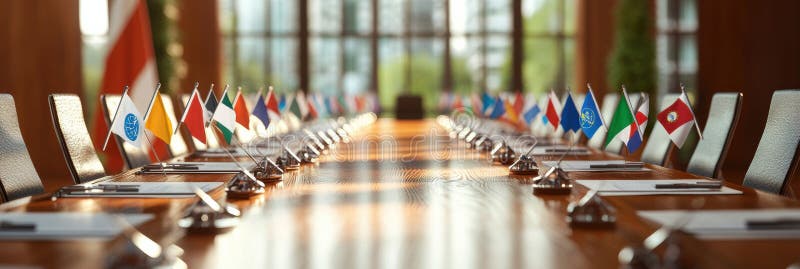
The planned meeting between U.S. and Iranian officials in Pakistan represents a crucial next step. The goal is to translate the ceasefire into a more durable peace, effectively ending over a month of conflict. However, the path is fraught with difficulty. As noted in the PBS report, a "wide gulf of trust" exists between the two nations. Years of antagonism, sanctions, and proxy conflicts have eroded the foundation necessary for straightforward diplomacy. Furthermore, a "lack of clarity" regarding the terms and expectations of a final agreement poses a significant obstacle. Without mutually understood and agreed-upon conditions, the talks risk collapsing into further accusations and potentially renewed violence.

The Role of Israel-Lebanon Negotiations
Israel's agreement to talk with Lebanon introduces another layer to the diplomatic puzzle. While the specifics of these bilateral talks are not detailed in the initial report, their timing is strategically significant. By engaging Lebanon, Israel may be seeking to de-escalate one potential flashpoint, thereby removing a variable that could destabilize the larger U.S.-Iran ceasefire. Conversely, if the Israel-Lebanon talks fail or are accompanied by further military action, they could provide the spark that unravels the broader regional truce. The success or failure of these parallel negotiation tracks is now intertwined, with each influencing the prospects of the other.
Conclusion: A Fragile Moment for Regional Diplomacy
The coming days represent a critical juncture for Middle Eastern stability. The simultaneous movement on two diplomatic fronts—U.S.-Iran and Israel-Lebanon—offers a rare opportunity to cool multiple conflicts. However, the fragility of the situation cannot be overstated. The deep-seated mistrust between Washington and Tehran, combined with the ongoing violence involving Israel, creates a high-risk environment where a single miscalculation could lead to rapid escalation. The international community will be watching closely as diplomats convene in Pakistan, hoping that dialogue can overcome decades of discord and create a lasting foundation for peace, as reported by PBS News correspondent Simona Foltyn.