Nuclear Metabolic Fingerprints: How Hidden Enzymes on DNA Could Revolutionize Cancer Treatment
A groundbreaking study has revealed a hidden metabolic network operating directly on human DNA inside the cell nucleus. Researchers discovered over 200 metabolic enzymes attached to chromatin, forming unique 'nuclear metabolic fingerprints' that vary between tissues and cancers. This unexpected link between metabolism and gene regulation challenges fundamental biological assumptions and provides new insights into how cancers develop, adapt, and resist therapy. The discovery suggests these nuclear enzymes may assist with DNA repair and could explain why different tumors respond differently to treatment, opening new avenues for cancer diagnosis and targeted therapies.
For decades, cellular biology textbooks have presented a clear division of labor: the nucleus houses and regulates our genetic material, while metabolism—the complex network of chemical reactions that sustains life—operates primarily in the cytoplasm and mitochondria. A revolutionary discovery published in Nature Communications in March 2026 has shattered this long-standing paradigm. Researchers from the Center for Genomic Regulation have uncovered what they describe as a "hidden metabolism" operating directly on human DNA inside the cell nucleus, revealing unexpected connections that could transform our understanding of cancer biology and treatment.

The Discovery of Nuclear Metabolic Enzymes
Using a sophisticated technique that isolates proteins physically bound to chromatin—the natural packaging of DNA—the research team made a startling observation. They identified more than 200 metabolic enzymes directly attached to human DNA within the nucleus. This finding was particularly surprising because many of these enzymes are typically associated with energy production in mitochondria, not with genetic regulation in the nucleus. The scale of this discovery was significant: approximately 7% of all proteins found attached to chromatin were metabolic enzymes, suggesting the nucleus operates its own distinct "mini metabolism" network.
The research examined 44 different cancer cell lines and 10 healthy cell types collected from ten different tissues. This comprehensive approach revealed that different cell types, tissues, and cancers each display their own distinctive arrangement of these nuclear metabolic enzymes. Researchers describe these unique patterns as "nuclear metabolic fingerprints," marking the first evidence that human cells may carry such specific nuclear signatures that vary depending on their origin and state of health.

Tissue-Specific Patterns and Cancer Implications
The study revealed striking differences in nuclear metabolic patterns between cancer types. For instance, enzymes involved in oxidative phosphorylation—the cellular process responsible for generating most of a cell's energy—were commonly observed in breast cancer cells but were largely absent in lung cancer cells. This tissue-specific variation was confirmed when scientists examined actual tumor samples from patients, demonstrating that nuclear metabolism varies significantly depending on both tissue type and disease state.
"We've been treating metabolism and genome regulation as two separate universes, but our work suggests they're talking to each other, and cancer cells might be exploiting these conversations to survive," explains Dr. Savvas Kourtis, first author of the study. This interconnection between metabolic processes and genetic regulation provides a new framework for understanding how tumors develop, adapt to their environment, and sometimes develop resistance to therapeutic interventions.
Functional Roles in DNA Repair and Genome Stability
Beyond simply identifying these nuclear enzymes, researchers conducted experiments to understand their functional significance. They focused particularly on enzymes responsible for producing molecules needed for DNA synthesis and repair. Their experiments demonstrated that these enzymes gather near chromatin when DNA damage occurs, suggesting they play an active role in genome repair processes. This finding connects nuclear metabolism directly to one of the most critical cellular functions: maintaining genetic integrity.
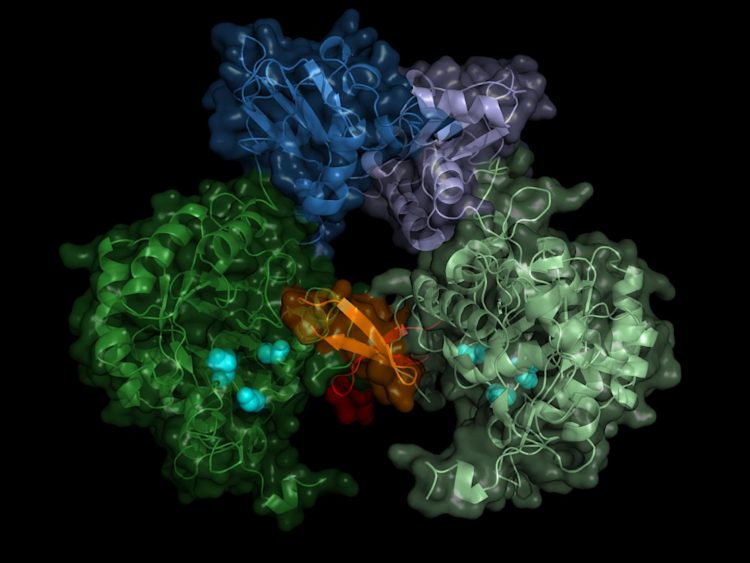
Perhaps even more intriguing was the discovery that an enzyme's function can depend entirely on its cellular location. The researchers studied an enzyme called IMPDH2 and found dramatically different behaviors depending on where it was located within the cell. When forced to remain inside the nucleus, IMPDH2 helped maintain genome stability. When the same enzyme was restricted to the cytoplasm, it influenced entirely different cellular pathways. This location-dependent functionality suggests that metabolic enzymes may have evolved specialized nuclear roles distinct from their traditional cytoplasmic functions.
Implications for Cancer Treatment and Future Research
The discovery of nuclear metabolic fingerprints has profound implications for cancer treatment. Many current therapies either target metabolic processes in cancer cells or disrupt DNA repair systems. The newly revealed connection between these two biological processes suggests that their interplay might be more significant than previously recognized. "It could help explain why tumors of different origins, even when carrying the same mutations, often respond very differently to chemotherapy, radiotherapy, or targeted inhibitors," says Dr. Sara Sdelci, corresponding author of the study and researcher at the Centre for Genomic Regulation.
This research opens several promising avenues for future investigation and potential clinical applications. Over time, mapping where these enzymes are located and understanding their specific functions could help identify biomarkers for cancer diagnosis or reveal new vulnerabilities that anti-cancer drugs could target. The unique nuclear metabolic fingerprints of different cancers might eventually guide more personalized treatment approaches, matching therapies to the specific metabolic-genetic profile of individual tumors.
However, significant questions remain unanswered. Researchers still need to determine whether all the enzymes observed in the nucleus are actually active in metabolic reactions or if some serve structural or regulatory roles. Additionally, a puzzling mechanical question persists: How do these large enzymes enter the nucleus in the first place? Many of the discovered enzymes are significantly larger than what nuclear pores are believed to allow through, suggesting cells may use an as-yet-unknown mechanism to transport them. Understanding this process could reveal precise therapeutic targets for controlling nuclear metabolic activity in diseased cells.
"Each enzyme may have its own, unique nuclear function, so this must be addressed one by one," cautions Dr. Kourtis, emphasizing the complexity of the newly discovered system. Despite these challenges, the discovery represents a fundamental shift in our understanding of cellular organization and function, with particular relevance for cancer biology. By revealing the hidden metabolic activity within the nucleus, this research has opened what Dr. Sdelci describes as "an entirely new world to explore"—one that may ultimately lead to more effective strategies for diagnosing and treating cancer.