The Double-Edged Sword of Polyamines: How Anti-Aging Molecules Can Fuel Cancer
Polyamines, natural molecules celebrated for their role in promoting cellular health and longevity, present a fascinating scientific paradox. While they stimulate autophagy and support healthy aging in normal cells, research from Tokyo University of Science reveals these same compounds can turbocharge cancer growth. This article explores the groundbreaking discovery of how polyamines activate different pathways in healthy versus cancerous tissues, explaining the molecular mechanisms behind this dual behavior and what it means for both anti-aging supplements and future cancer therapies.
In the quest for longevity, certain natural compounds have risen to prominence for their apparent ability to support healthy aging. Among these, polyamines—particularly spermidine—have gained attention as "geroprotectors" that stimulate cellular cleanup processes. However, emerging research reveals a troubling paradox: these same molecules that may help us age gracefully are also consistently found at elevated levels in aggressive cancers. This dual nature presents both a scientific puzzle and important implications for health and medicine.

The Polyamine Paradox: Longevity vs. Cancer
Polyamines are naturally occurring molecules present in every living cell, playing essential roles in fundamental biological processes including cell growth, differentiation, and survival. In recent years, scientists have focused on these compounds for their potential anti-aging benefits, particularly their ability to stimulate autophagy—the cellular recycling process that clears out damaged components and maintains cellular health. This beneficial effect largely depends on a protein called eukaryotic translation initiation factor 5A (eIF5A1).
Simultaneously, researchers have repeatedly observed that many types of cancer exhibit high levels of polyamines, which correlate with more aggressive tumor growth and poorer patient outcomes. This contradictory evidence has created what scientists call "the polyamine paradox": how can the same molecules that appear to promote healthy aging also support cancer progression?
Unraveling the Molecular Mechanism
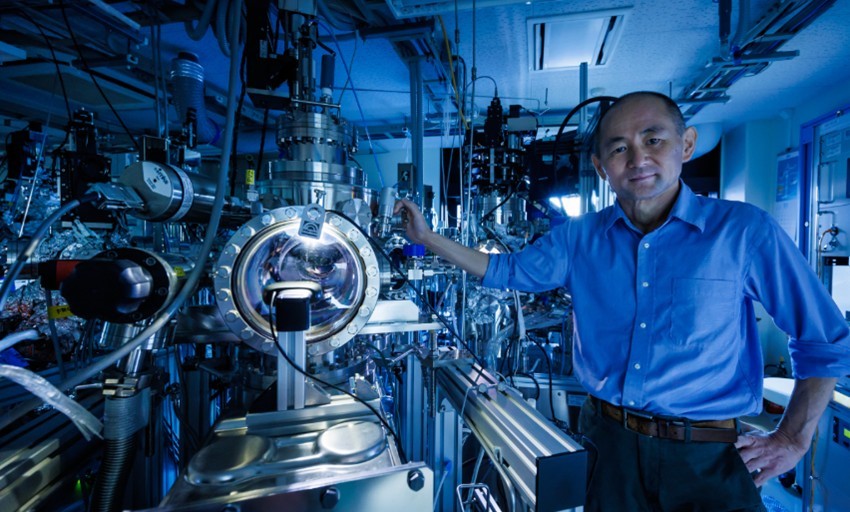
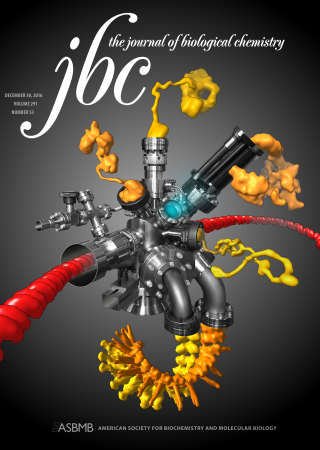
A team led by Associate Professor Kyohei Higashi from Tokyo University of Science conducted groundbreaking research to solve this paradox. Their study, published in the Journal of Biological Chemistry, employed advanced proteomic techniques to analyze changes across more than 6,700 proteins in human cancer cell lines. By manipulating polyamine levels and observing the cellular responses, the researchers uncovered distinct pathways activated in different contexts.
The key discovery centers on two nearly identical proteins: eIF5A1 and eIF5A2. While these proteins share 84% of their amino acid sequence, they behave very differently in cells. "The biological activity of polyamines via eIF5A differs between normal and cancer tissues," explains Dr. Higashi. "In normal tissues, eIF5A1, activated by polyamines, activates mitochondria via autophagy, whereas in cancer tissues, eIF5A2, whose synthesis is promoted by polyamines, controls gene expression at the translational level to facilitate the proliferation of cancer cells."
How Polyamines Switch Roles
The research revealed that polyamines influence cancer cells primarily by boosting glycolysis—the rapid conversion of glucose into energy that cancer cells rely on for their aggressive growth. This differs from their effect in healthy cells, where they support mitochondrial respiration, the more efficient energy production pathway associated with cellular maintenance and longevity.
Further experiments uncovered the specific mechanism by which polyamines increase eIF5A2 levels in cancer cells. Under normal conditions, production of the eIF5A2 protein is restrained by a small regulatory RNA molecule called miR-6514-5p. The researchers found that polyamines disrupt this natural brake, allowing eIF5A2 to be produced in greater amounts. This elevated eIF5A2 then controls a distinct group of proteins compared to eIF5A1, including several ribosomal proteins associated with cancer severity.
Implications for Health and Medicine
These findings carry significant implications for both cancer treatment and the use of polyamine supplements. The research highlights how strongly biological context matters: in healthy tissues, polyamines may provide anti-aging benefits through eIF5A1, while in cancerous or pre-cancerous tissues, the same molecules can stimulate tumor growth through eIF5A2.
The study also identifies promising new therapeutic targets. "Our findings reveal an important role for eIF5A2, regulated by polyamines and miR-6514-5p, in cancer cell proliferation, suggesting that the interaction between eIF5A2 and ribosomes, which regulates cancer progression, is a selective target for cancer treatment," remarks Dr. Higashi. Targeting eIF5A2 specifically could potentially slow cancer growth without interfering with the beneficial effects linked to eIF5A1 in healthy cells.
Future Directions and Cautions
This research represents a significant advance in understanding the complex and sometimes contradictory roles of polyamines in human health. The findings suggest that future strategies might focus on preserving the positive effects of polyamines on healthy aging while reducing their potential to support cancer development.
For individuals considering polyamine supplements for anti-aging purposes, these findings underscore the importance of medical consultation and personalized approaches. The research suggests that what benefits healthy cells might pose risks in different biological contexts, particularly for individuals with or at risk for cancer.
As scientists continue to unravel the complexities of cellular metabolism and aging, this research from Tokyo University of Science provides crucial insights into how the same molecular players can have dramatically different effects depending on cellular context. The study was supported by grants from the Japan Society for the Promotion of Science, the Hamaguchi Foundation for the Advancement of Biochemistry, and the Cancer Research Institute of Kanazawa University.
The discovery of polyamines' dual nature reminds us that biology is rarely simple, and compounds that appear beneficial in one context may have unintended consequences in another. As research progresses, scientists may develop more targeted approaches that harness the benefits of polyamines for healthy aging while minimizing potential risks, moving us closer to truly personalized approaches to longevity and cancer prevention.