The Satellite Illusion: How Technology Masked the True Decline of Northern Hemisphere Snow
For decades, satellite data painted a puzzling picture of increasing autumn snow cover in the Northern Hemisphere, seemingly contradicting global warming trends. A groundbreaking new analysis from the University of Toronto reveals this apparent growth was a technological illusion. Improved satellite sensors, better at detecting thin snow, created a false positive trend. Corrected data now show snow cover has actually been shrinking by approximately half a million square kilometers per decade, a finding that strengthens our understanding of Arctic amplification and the critical snow-albedo feedback mechanism in climate science.
For years, a persistent anomaly in climate data puzzled scientists: satellite records suggested autumn snow cover across the vast expanses of the Northern Hemisphere was on the rise. This trend appeared to defy the logic of a warming planet. However, a meticulous new analysis has uncovered the truth behind this data discrepancy, revealing it was not a climatic reprieve but a technological artifact. The apparent increase was an illusion, masking a significant and ongoing decline in snow cover with profound implications for global climate dynamics.
Unraveling the Data Discrepancy
The story centers on a long-standing climate record maintained by the U.S. National Oceanic and Atmospheric Administration (NOAA). Since the 1960s, NOAA has collected annual measurements of autumn snow cover, a dataset that has been instrumental in major climate assessments by the Intergovernmental Panel on Climate Change (IPCC). For years, this dataset indicated an increase of about 1.5 million square kilometers of snow per decade—an area roughly equivalent to one and a half Ontarios. This trend was inconsistent with other climate observations, leading some researchers to question its reliability.
A team led by Aleksandra Elias Chereque, a PhD student at the University of Toronto's Department of Physics, decided to investigate these concerns. Their research, published in Science Advances, systematically re-analyzed the NOAA records. The team's corrected findings present a starkly different reality: Northern Hemisphere autumn snow cover has actually been decreasing by about half a million square kilometers per decade, or an area about half the size of Ontario. This reversal from a perceived gain to a confirmed loss is a critical correction in our understanding of Earth's climate system.
The Technological Illusion Explained
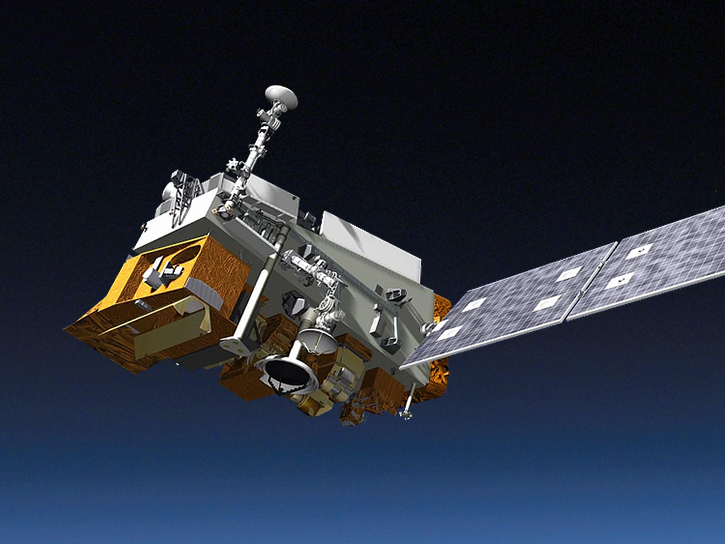
So, how did satellites get it wrong? The answer lies in the relentless march of technological progress. Over the decades, the satellite instruments and data processing techniques used to monitor snow cover evolved significantly. Newer sensors became increasingly sensitive, capable of detecting thinner, patchier layers of snow that older instruments would have missed entirely.
As Elias Chereque explains, this improvement created a false trend. "It's as if the satellite's 'eye glasses' got better and better over that period," she said. "It looks like there's more snow now than there used to be but that's only because the satellite kept getting better 'prescriptions for its glasses.'" The record wasn't capturing a real increase in snow; it was merely documenting the satellites' improving vision. This phenomenon highlights a crucial challenge in long-term environmental monitoring: disentangling genuine environmental change from artifacts introduced by evolving measurement technology.

Why Snow Cover Matters: The Snow-Albedo Feedback
The corrected trend is alarming because of the outsized role snow plays in regulating Earth's temperature. This is due to a principle known as the snow-albedo effect. Albedo refers to a surface's reflectivity. Fresh, clean snow reflects about 80% of incoming solar energy back into space, acting like a giant planetary mirror. In contrast, bare ground or vegetation reflects less than 50%, absorbing more heat.
When snow cover shrinks, darker land is exposed. This land absorbs more solar energy, leading to localized warming. This warmth, in turn, melts adjacent snow more quickly, exposing even more dark ground—creating a self-reinforcing cycle of warming and melting. Elias Chereque notes this is a "positive climate feedback mechanism" and a key driver of Arctic amplification, the phenomenon where the Arctic warms at a rate two to three times faster than the global average. The confirmed loss of autumn snow cover provides clearer evidence for this powerful feedback loop.
Implications for Climate Science and Policy
The resolution of this data illusion has significant ramifications. First, it strengthens scientific confidence in the trend of year-round snow decline in the Northern Hemisphere. "We know snow loss is influenced by anthropogenic warming and snow loss also creates more potential for warming through the snow-albedo feedback," stated Elias Chereque. This improved understanding helps validate and refine the climate models used to project future changes.
Second, the study serves as a critical lesson in data stewardship. It underscores the importance of continuously auditing and correcting long-term environmental datasets for technological biases. As Elias Chereque points out, "Showing how and why the snow cover trend was wrong helps us learn how to use this data set properly when we're estimating past conditions and future trends." Accurate historical data is the bedrock for reliable future projections, which are essential for informing effective climate mitigation and adaptation policies.

In conclusion, the case of the illusory snow cover growth is a powerful reminder that in climate science, what you see is not always what you get. Advanced technology, while essential, can sometimes obscure the very truth it seeks to reveal. By meticulously correcting the record, scientists have removed a layer of confusion, revealing a clearer and more concerning picture of a warming Arctic. This work not only advances our fundamental knowledge but also equips us with more accurate tools to predict and respond to the ongoing challenges of climate change.