The Satellite Illusion: How Technology Masked the True Decline of Arctic Snow
For decades, satellite data painted a puzzling picture of increasing autumn snow cover in the Northern Hemisphere, seemingly contradicting global warming trends. A groundbreaking new analysis from the University of Toronto reveals this was a technological illusion. Improving satellite sensitivity to thin snow created a false signal of growth. Corrected data now show snow cover has actually been shrinking by approximately half a million square kilometers per decade, a critical finding that strengthens our understanding of Arctic amplification and the snow-albedo feedback mechanism.
For years, a perplexing contradiction existed in our understanding of Earth's climate. While global temperatures rose, satellite records maintained by the U.S. National Oceanic and Atmospheric Administration (NOAA) suggested autumn snow cover in the Northern Hemisphere was actually increasing. This surprising trend, often cited in assessments by the Intergovernmental Panel on Climate Change (IPCC), seemed to defy the logic of a warming planet. However, a new scientific investigation has uncovered the truth: this apparent snow growth was an illusion, a byproduct of our own improving technology. The reality is a significant and ongoing decline in snow cover, with profound implications for Arctic warming and global climate models.
Unmasking the Illusion: The Role of Improving Satellite Technology
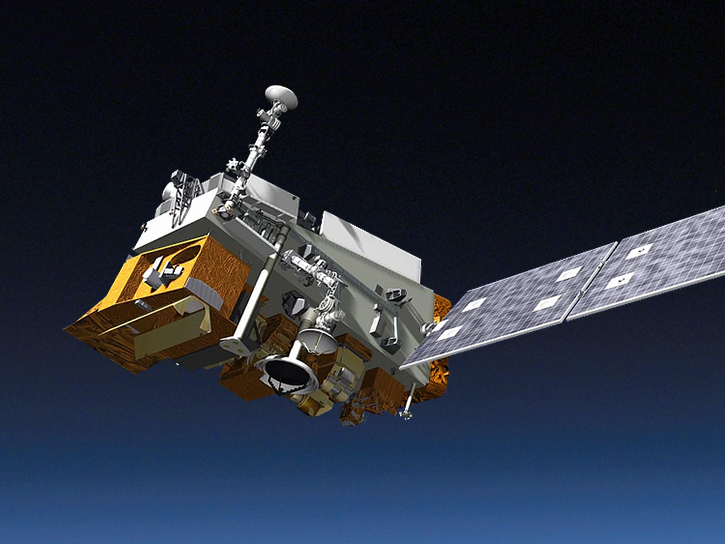
The core of the discovery lies in the evolution of satellite instrumentation. According to research led by Aleksandra Elias Chereque from the University of Toronto, the NOAA satellites used to measure snow cover underwent significant upgrades over the decades. These improvements made the instruments progressively more sensitive, particularly to detecting very thin layers of snow that earlier, less sophisticated sensors would have missed. As a result, the data record showed an artificial increase in snow extent—not because there was more snow, but because we became better at seeing the snow that was already there. Elias Chereque likened this to the satellite getting "better and better prescriptions for its glasses" over time.
The Corrected Trend: A Stark Reality of Snow Loss
By revisiting and correcting the NOAA data for this technological bias, the research team, whose findings were published in Science Advances, revealed the true trend. The original data indicated an increase of about 1.5 million square kilometers per decade. The corrected analysis shows the opposite: a consistent decline of roughly half a million square kilometers per decade. To put this in perspective, that's an area equivalent to half of Ontario disappearing every ten years. This reversal aligns with physical expectations in a warming climate and resolves long-standing questions researchers had about the inconsistency of the original NOAA data with other climate observations.
Why Snow Cover Matters: The Snow-Albedo Feedback
The loss of snow cover is far more than a seasonal change; it is a powerful amplifier of global warming through a process known as the snow-albedo effect. "Albedo" refers to a surface's reflectivity. Fresh snow reflects about 80% of incoming solar energy back into space, while bare ground or vegetation reflects less than 50%. When snow melts earlier or fails to form, the exposed darker land absorbs significantly more heat. This additional heat, in turn, leads to further snow melt, creating a self-reinforcing positive feedback loop. This mechanism is a primary driver of Arctic amplification, the phenomenon where the Arctic region warms at a rate two to three times faster than the global average.
Implications for Climate Science and Policy
This correction is not merely an academic exercise; it has substantial real-world implications. First, it increases scientific confidence in the observed trend of year-round snow decline in the Northern Hemisphere. Second, it provides a clearer benchmark for evaluating the accuracy of climate models. As Elias Chereque notes, understanding how to use this dataset properly is crucial for estimating past conditions and making reliable future projections. Finally, by solidifying the link between anthropogenic warming, snow loss, and accelerated Arctic heating, this research underscores the urgency of climate mitigation policies. It highlights a key feedback mechanism that must be accurately accounted for in international climate agreements and adaptation strategies.
In conclusion, the story of the satellite illusion is a powerful reminder of the complexities inherent in monitoring our planet. It demonstrates how technological progress can sometimes obscure the very trends we seek to measure. By diligently correcting the record, scientists have peeled back a layer of uncertainty, revealing a clearer and more concerning picture of climate change's impact on the Arctic. The confirmed loss of snow cover stands as a stark indicator of a warming world and a critical variable in the accelerating cycle of Arctic amplification.