Read on bbc.com
Syrian Ex-Colonel Charged with Crimes Against Humanity in UK Court
Salem Michel Al-Salem, a former colonel in the Syrian Air Force intelligence, has been publicly named and charged in a London court with crimes against humanity. The charges, including murder and torture, relate to alleged events in Damascus during 2011 and 2012. This landmark case marks the first prosecution in the UK of someone alleged to have been part of Bashar al-Assad's security forces for crimes related to the Syrian civil war, setting a significant precedent in international justice.
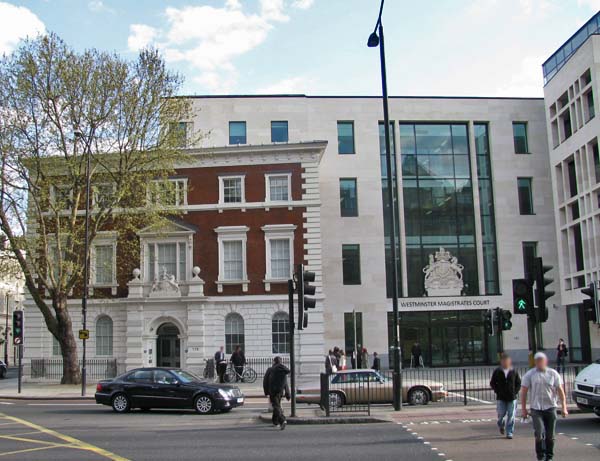
A landmark case in international justice unfolded at Westminster Magistrates' Court as Salem Michel Al-Salem, a former colonel in the Syrian Air Force intelligence department, was charged with crimes against humanity. This hearing marks the first public naming of the accused and represents a significant legal precedent, being the first time the UK's Crown Prosecution Service has brought such charges under the International Criminal Court Act 2001.
The Charges and Allegations
Al-Salem faces a total of seven charges relating to alleged events in Damascus during 2011 and 2012. The specific counts include three of murder as a crime against humanity, one count of conduct ancillary to murder as a crime against humanity, and three counts of torture. These charges stem from what prosecutors describe as "part of a widespread or systematic attack against a civilian population."
Specific Incidents Cited
The charges detail specific alleged incidents, including the deaths of protesters on 22 April 2011. According to the prosecution, Al-Salem is accused of being responsible for killing Omar Al-Homsi and Nizar Fayoumi-AlKhatib during a demonstration where protesters were calling for prisoners to be freed. He is also charged with engaging in conduct ancillary to murder regarding Mohammed Salim Zahrak Balik on the same day.

The Court Proceedings
The 58-year-old defendant appeared via video link for the hearing, remaining seated throughout the proceedings while wearing what appeared to be an oxygen mask. The court heard that Al-Salem has been diagnosed with spinal onset motor neurone disease and was reportedly too unwell to confirm his name during the hearing.
Legal Arguments and Rulings
Al-Salem's legal team had argued that he should not be named in media reports, suggesting that doing so could put him at risk. However, Chief Magistrate Paul Goldspring rejected this application, stating that the principle of open justice should not be compromised. He emphasized that it was important for Al-Salem to be named publicly to maintain confidence in the justice system and for public understanding of the case.
Investigation and Legal Significance
This case represents an unprecedented legal development in the UK's approach to international crimes. Counter Terrorism Policing London has described the investigation as "an incredibly complex and challenging investigation, involving enquiries across many countries." Witnesses have been interviewed in several European nations as part of the evidence-gathering process.
The prosecution is particularly significant as it is believed to be the first time someone alleged to have been part of former President Bashar al-Assad's security forces has been prosecuted in the UK for crimes relating to the Syrian civil war. This sets an important precedent for holding individuals accountable for international crimes committed abroad.
Next Steps in the Legal Process
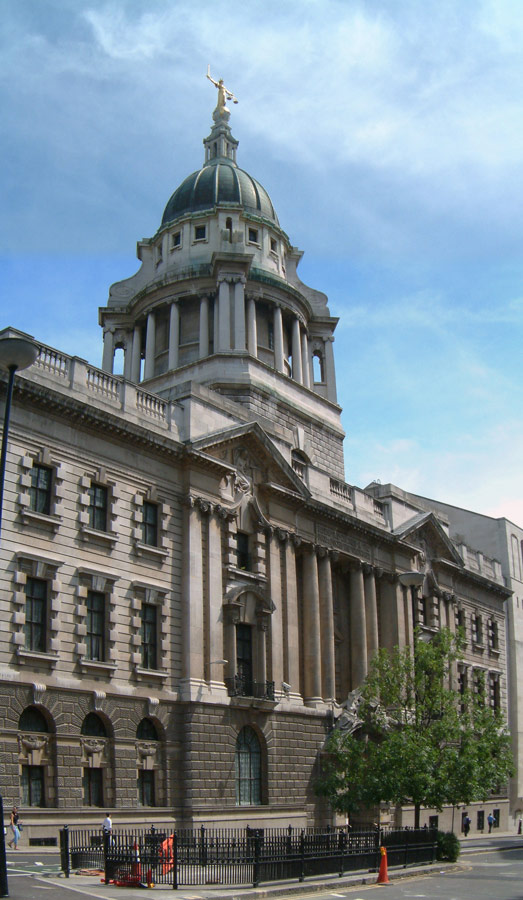
Chief Magistrate Goldspring remanded Al-Salem on bail until his next court appearance, scheduled for Friday at the Old Bailey, London's Central Criminal Court. No indication was given during the hearing as to how Al-Salem intends to plead to the charges. The case will continue to develop as it moves through the UK's legal system, with potential implications for future prosecutions of international crimes.
The proceedings against Salem Michel Al-Salem represent a significant moment in the pursuit of justice for alleged crimes committed during the Syrian conflict. As the case progresses, it will test the UK's legal framework for prosecuting crimes against humanity and may influence how other nations approach similar cases involving international crimes committed beyond their borders.