Rwanda's Vision 2050: How Nuclear Energy Powers the Nation's Economic Ambitions
Rwandan President Paul Kagame has positioned nuclear energy as a cornerstone of the country's ambitious Vision 2050 development strategy. Speaking at the second Nuclear Energy Summit in Paris, Kagame outlined plans to leverage nuclear power to transform Rwanda into a high-income economy by mid-century. This strategic pivot aims to diversify the nation's energy mix, ensure stability for industrial growth, and tap into emerging technologies like small modular reactors. The move underscores Rwanda's commitment to long-term, sustainable development and highlights Africa's potential as a future market for advanced nuclear solutions.
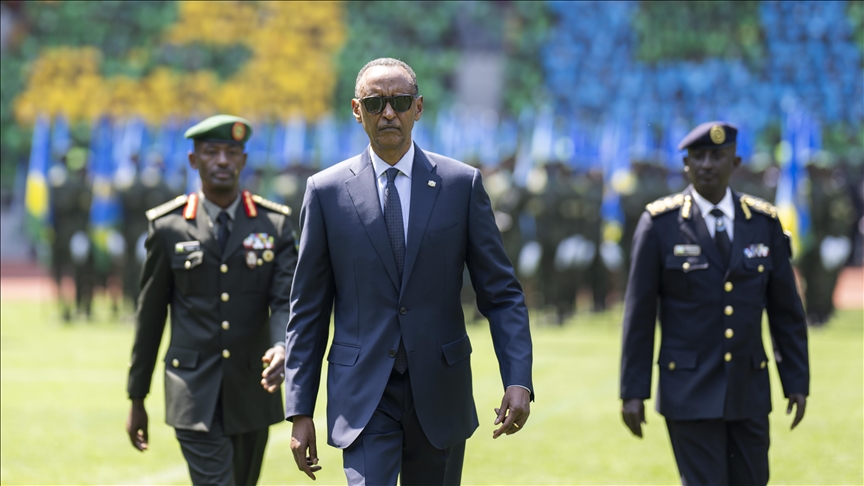
In a significant declaration of national strategy, Rwandan President Paul Kagame has identified nuclear energy as a pivotal component in achieving Rwanda's long-term development goals. Speaking at the second Nuclear Energy Summit in Paris, which convened over 60 countries and global leaders including French President Emmanuel Macron and IAEA Director General Rafael Grossi, Kagame articulated a clear vision: nuclear power is essential for Rwanda's economic transformation. This commitment places nuclear technology at the heart of Rwanda's Vision 2050, a blueprint designed to elevate the nation to high-income status within the next three decades.
The Strategic Role of Nuclear Energy in Vision 2050
President Kagame's rationale is rooted in the fundamental requirements of sustained economic growth. "Nuclear energy will diversify our energy mix while providing the stability required for industrial growth and long-term transformation," he stated. For a nation aiming for rapid industrialization and economic diversification, a reliable, high-capacity, and stable power supply is non-negotiable. Renewable sources like solar and hydro, while crucial, can be intermittent. Nuclear power offers a baseload energy solution—consistent, large-scale electricity generation that can power factories, cities, and technological infrastructure 24/7, forming the bedrock upon which a high-income economy can be built.

Building Capacity and Embracing New Technology
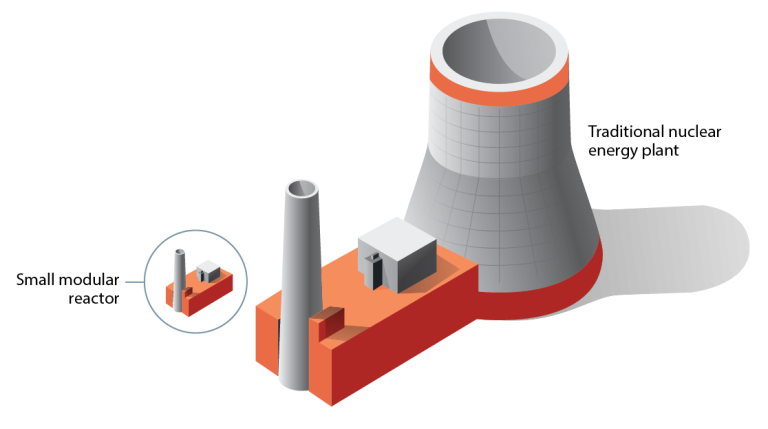
Rwanda is not merely announcing intentions but is actively building the necessary human capital. Kagame revealed that the country has already trained hundreds of specialists in nuclear science and engineering through partnerships with international institutions. This foundational work in education and skills development is critical for safely and effectively managing a future nuclear energy program. Furthermore, Kagame specifically highlighted the potential of small modular reactors (SMRs), advanced nuclear units that are smaller, more flexible, and often considered safer than traditional large-scale reactors.
Why Small Modular Reactors?
Kagame noted that SMRs are particularly suited to Africa's requirements. Their smaller size and modular nature can reduce upfront capital costs and construction timelines. They can be deployed in more remote locations or integrated into existing grids without the massive infrastructure demands of conventional plants. This makes them an attractive option for a country like Rwanda, which is strategically planning its energy future. The President expressed confidence that Africa could become a major future market for SMRs, positioning Rwanda as an early adopter and potential leader in this emerging technological sphere on the continent.
A Call for Global Cooperation
The Paris summit served as a platform for Kagame to call for stronger global cooperation on financing and technology transfer. Developing a nuclear energy program requires significant investment, cutting-edge technology, and stringent safety and regulatory frameworks—areas where international partnership is vital. By engaging with global leaders and agencies like the International Atomic Energy Agency (IAEA), Rwanda is seeking to ensure its nuclear ambitions are realized through best practices, secure funding mechanisms, and collaborative knowledge exchange, setting a precedent for responsible nuclear development in Africa.
Rwanda's bold endorsement of nuclear energy for Vision 2050 marks a strategic and forward-thinking approach to national development. By focusing on capacity building, embracing innovative technologies like SMRs, and advocating for international collaboration, President Kagame is charting a course that aims to secure a stable, high-capacity energy future. This move not only aims to power Rwanda's economic ascent but also signals the growing role that advanced, clean energy technologies will play in Africa's development narrative in the decades to come.