Thousands Protest in Tokyo Against Prime Minister Takaichi's Defense Policy Shifts
Approximately 8,000 demonstrators gathered in central Tokyo on March 10, 2026, to voice strong opposition to the security policies of Prime Minister Sanae Takaichi's government. The protest, held outside the National Diet Building, focused on the planned deployment of long-range missiles, the easing of restrictions on lethal arms exports, and perceived moves toward constitutional revision. Organizers and participants, including a notable number of young people, expressed fears that these policies endanger Japan's pacifist principles as enshrined in Article 9 of the Constitution and threaten regional stability.
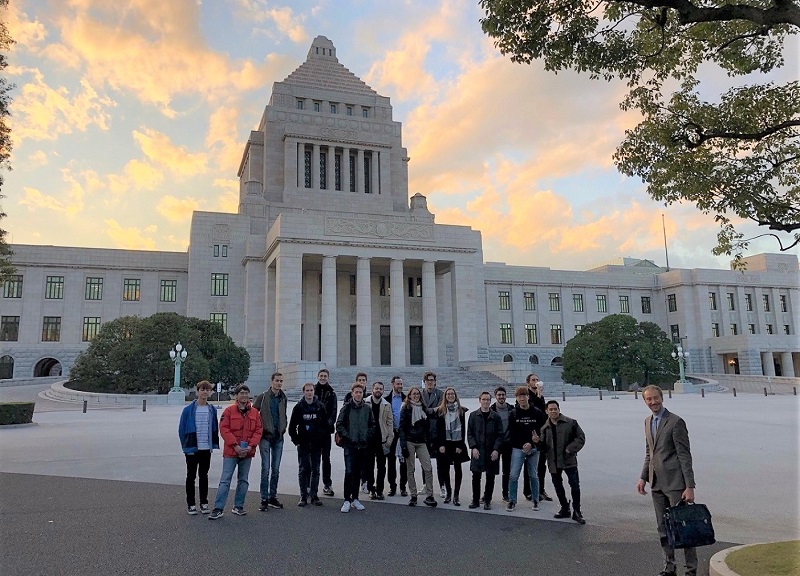
On a cold Tuesday night in March 2026, the area surrounding Japan's National Diet Building in central Tokyo became the focal point for a significant public demonstration of dissent. An estimated 8,000 citizens gathered to protest what they described as the dangerous policy trajectory of Prime Minister Sanae Takaichi's administration. The rally, as reported by CGTN, highlighted deep-seated public anxiety over shifts in Japan's defense posture, including missile deployments and arms export reforms, which many view as a departure from the nation's postwar pacifist identity.
The Core Issues Driving Public Protest
The protest was not a spontaneous event but a coordinated response to several concurrent policy initiatives by the Takaichi government. Organizers and participants identified three primary concerns: the deployment of long-range missile systems within Japan, the revision of guidelines to ease restrictions on the export of lethal defense equipment, and perceived efforts to revise the nation's pacifist constitution. These policies, taken together, represent a significant strategic shift for a country whose security identity has been defined by restraint for decades.
Missile Deployment and Arms Export Easing
A key flashpoint for protesters was the recent action by Japan's Defense Ministry to deploy long-range missile launchers in Kumamoto Prefecture. Demonstrator Aya Yasui voiced a common concern, stating, "I think this is an extremely dangerous situation." This sentiment was amplified by the government's parallel move to revise the operational guidelines of the Three Principles on Transfer of Defense Equipment and Technology. This revision aims to further loosen restrictions on Japanese arms exports, potentially allowing the sale of lethal weapons to other nations—a move that critics argue contradicts the spirit of Japan's postwar peace commitment.
Constitutional Principles at the Heart of the Debate
The protest was symbolically anchored in Japan's Constitution, specifically Article 9. Demonstrators held placards reading "Stop trampling on the Constitution!" and collectively recited the article's text, which renounces war and the maintenance of war potential. Taku Yamazoe, policy chief of the Japanese Communist Party, addressed the crowd, framing the government's actions as a fundamental betrayal. "If the spirit of the Constitution were truly upheld, Japan should not pursue diplomacy based on preparations for war, but instead promote diplomacy aimed at resolving issues through dialogue," he argued.
Yamazoe further contextualized the policy shift within broader geopolitics, suggesting that Japan's alignment with U.S. strategic interests was a driving force. He stated that the United States is "pursuing hegemonic policies" and that Japan's choice to closely follow Washington while advancing military expansion runs counter to regional peace and stability. This perspective underscores a central tension in Japanese security discourse: balancing alliance obligations with constitutional pacifism.
A Changing Demographic of Dissent
An notable aspect of the rally, as observed by organizers, was the larger-than-usual participation of young people. This suggests that the government's policy changes are mobilizing a new generation concerned about their country's future direction. The involvement of youth indicates that the debate over Japan's security identity is not a relic of the past but a live issue with implications for the nation's trajectory in the 21st century. The protest also included an online component, with approximately 1,000 people participating virtually, demonstrating the use of digital tools to amplify dissent.

Conclusion: A Nation at a Crossroads
The Tokyo protest serves as a powerful barometer of domestic opposition to Prime Minister Takaichi's security agenda. It highlights a significant segment of Japanese society that remains deeply attached to the pacifist principles of Article 9 and views recent policy moves with alarm. The demonstration is more than a single event; it is a manifestation of an ongoing and intense national conversation about sovereignty, alliance politics, and regional stability. As the government continues to pursue its defense policy reforms, it will likely face sustained scrutiny and pressure from a public that is actively engaging with these complex and consequential issues. The large turnout, especially among the young, signals that this debate will remain a defining feature of Japan's political landscape for the foreseeable future.