Read on the Guardian
Escalating Violence in Nigeria: ISWAP Raids Kill Dozens of Soldiers and Abduct Hundreds
Recent coordinated attacks by the Islamic State West Africa Province (ISWAP) in Nigeria's north-eastern Borno state have resulted in the deaths of at least 65 soldiers and the abduction of approximately 300 civilians. The jihadist group overran multiple military bases using sophisticated weaponry, highlighting the ongoing security crisis in a region ravaged by a nearly two-decade insurgency. This article examines the recent attacks, the broader conflict's impact, and the challenges facing Nigeria's military and government in containing one of the world's deadliest terror threats.
The security situation in Nigeria's north-east has deteriorated sharply following a series of devastating raids by the Islamic State West Africa Province (ISWAP). According to reports from The Guardian, at least 65 Nigerian soldiers have been killed in jihadist attacks over a two-week period, with hundreds of civilians abducted. This escalation underscores the persistent and deadly threat posed by Islamist insurgents in a conflict that has displaced millions and destabilized the Lake Chad basin region.

The Recent Coordinated Attacks
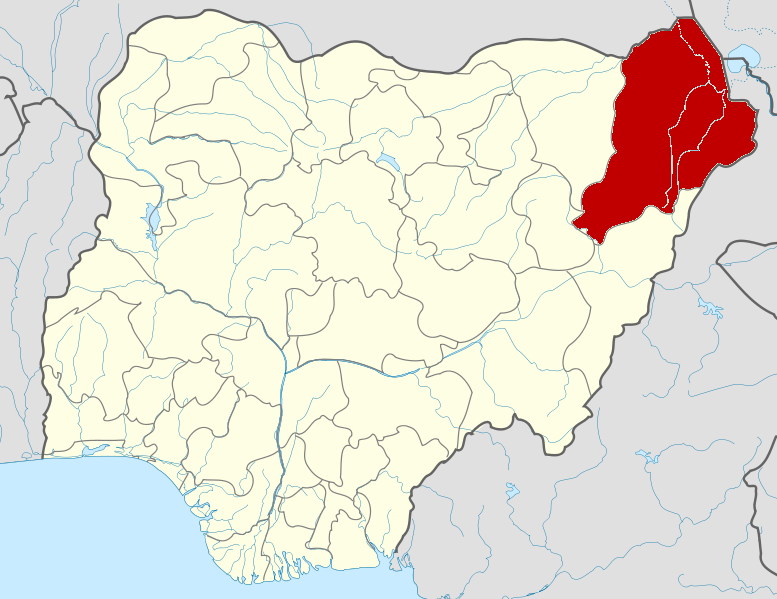
On March 5 and 6, ISWAP gunmen launched simultaneous assaults on four Nigerian military bases located in Borno state, the historic epicenter of the insurgency. The targeted bases were in Delwa, Goniri, Kukawa, and Mainok. The Nigerian daily newspaper The Punch reported that approximately 40 soldiers were killed in these initial assaults. The military's response, issued in a statement on March 7, acknowledged the attacks but disputed the publicly reported casualty figures without providing an official alternative count.
Sophistication and Scale of the Raids
The attacks were notable for their coordination and the advanced weaponry deployed by the insurgents. Reports indicate that ISWAP fighters utilized sophisticated machinery, including anti-aircraft machine guns and drones, to overwhelm military defenses. This level of tactical capability points to a well-resourced and organized terror group. Furthermore, data from the Armed Conflict Location & Event Data Project (ACLED) indicates that during these raids, the jihadists abducted around 300 civilians, including women and children, adding a severe humanitarian dimension to the security crisis.
The Broader Insurgency Context
The recent violence is not an isolated incident but part of a sustained pattern of jihadist attacks on military and civilian targets in northern Nigeria. The conflict originated with the Boko Haram insurgency, which spiked significantly after the extrajudicial killing of its founder, Mohammed Yusuf, in July 2009. Over the years, the sect has fractured into several factions, with ISWAP emerging as one of the most ruthless and effective. The insurgency has spilled across borders, now affecting the wider Lake Chad basin area, including parts of Cameroon, Chad, and Niger, and has resulted in the displacement of over 2 million people.
Government and Military Challenges
Nigeria's government and military face mounting criticism over their handling of the security crisis. The response to the recent attacks has been mixed, with official statements aiming to project control while avoiding precise casualty figures. The political establishment has also been scrutinized for perceived misplaced priorities. For instance, the mass wedding of the junior defense minister's children in Abuja last month drew public ire for occurring amidst severe security challenges. The minister's social media activity, which recently focused on political defections rather than the ongoing military losses, has further fueled criticism regarding the government's focus and commitment to the troops on the front lines.
International Involvement and Future Outlook
The complexity of the threat has necessitated international engagement. Last month, 200 U.S. troops arrived in northern Nigeria to conduct training missions with local forces. This deployment followed an announcement by the U.S. president regarding airstrikes on terrorist elements in the region, signaling a continued international interest in stabilizing the area. However, the path to security remains fraught. The Nigerian military must contend with a resilient, adaptive, and well-armed adversary in ISWAP, while also addressing the deep-rooted socio-economic grievances that fuel recruitment for such groups in the north-east.

The killing of dozens of Nigerian soldiers and the abduction of hundreds of civilians by ISWAP represent a severe setback in the long-running conflict. These events highlight the group's continued operational capacity and the significant challenges facing Nigeria's security apparatus. A sustainable solution will require not only robust military and counter-terrorism strategies but also coordinated regional cooperation, addressing humanitarian needs, and implementing development programs to undercut the insurgency's foundations. The international community's role in providing support and pressure remains crucial as Nigeria grapples with one of the world's most persistent terrorist threats.