Read on PBS News
Trump Administration Launches New Trade Probe Following Supreme Court Tariff Ruling
The Trump administration has initiated a new trade investigation targeting manufacturing in multiple foreign countries, seeking to establish replacement tariffs after the Supreme Court invalidated previous emergency-based import taxes. Using Section 301 of the Trade Act of 1974, the probe examines industrial capacity and government subsidies in nations including China, the EU, and Mexico. This move aims to protect American jobs but risks reigniting global trade tensions and coincides with political pressure from midterm elections and ongoing international conflicts.
The Trump administration has embarked on a significant new trade policy initiative, launching a comprehensive investigation into foreign manufacturing practices. This strategic move comes directly in response to a landmark Supreme Court decision that struck down the administration's previous tariff framework, which had been justified under a declared economic emergency. The new probe, initiated under established trade statutes, represents an attempt to legally reconstruct import taxes while navigating complex international relations and domestic political pressures.
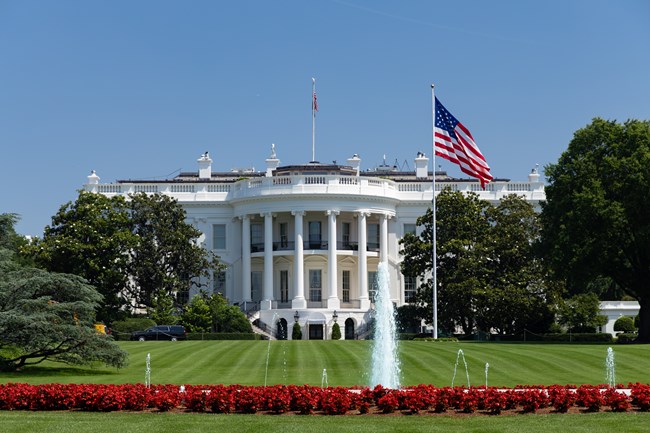
Legal Shift: From Emergency Powers to Section 301
The administration's pivot follows the Supreme Court's February ruling, which nullified President Trump's prior use of tariffs established under emergency declarations. U.S. Trade Representative Jamieson Greer emphasized that while the policy objective of protecting American jobs remains unchanged, the legal tools must adapt. "The policy remains the same — the tools may change depending on, you know, the vagaries of courts and other things," Greer stated in a call with reporters. The new approach utilizes Section 301 of the Trade Act of 1974, a provision that allows investigations into unfair trade practices and can authorize retaliatory tariffs if violations are found.
Scope and Targets of the Investigation
The investigation casts a wide net, focusing on what the administration deems excess industrial capacity and unfair government support that disadvantages U.S. companies. A broad coalition of economies is under scrutiny. The entities subject to the investigation include China, the European Union, Singapore, Switzerland, Norway, Indonesia, Malaysia, Cambodia, Thailand, South Korea, Vietnam, the self-governing island of Taiwan, Bangladesh, Mexico, Japan, and India. The government is examining factors such as persistent trade surpluses with the U.S., state subsidies, and the suppression of workers' wages.

Political and Economic Context
This trade maneuver unfolds within a fraught political and global landscape. Domestically, the administration faces a midterm election cycle where Democratic candidates are highlighting the public's entitlement to tariff refunds following the Supreme Court's decision. Internationally, the action coincides with the ongoing war in Iran, adding another layer of complexity to global economic stability. The previous, now-overturned tariffs had led to new trade frameworks with several partners, and it remains uncertain how a fresh set of import taxes might impact those carefully negotiated agreements.
Timeline and Strategic Implications
The administration is working against a concrete deadline, adding urgency to the probe. Temporary 10% tariffs imposed under a different statute (Section 122) are set to expire on July 24, after 150 days. Greer indicated the new Section 301 investigation is "keying off" this deadline, with the goal of presenting "potential options" to President Trump as soon as possible. The outcome of this process could potentially reintroduce the significant trade tensions that rattled markets the previous year, testing the resilience of existing international trade frameworks.