Read on France 24
Brazil Ratifies Landmark Mercosur-EU Free Trade Agreement
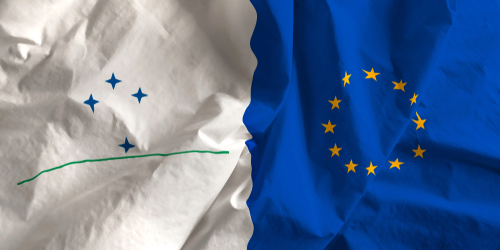
Brazil's Senate has formally ratified the historic Mercosur-European Union free trade deal, joining Argentina and Uruguay in establishing one of the world's largest trade blocs. This agreement, finalized after 25 years of complex negotiations, eliminates most tariffs on bilateral trade and creates a market encompassing 30% of global GDP and over 700 million consumers. While promising significant economic benefits for both regions, the pact has faced opposition from European farmers concerned about competition from cheaper South American agricultural imports.
In a decisive move that reshapes global trade dynamics, Brazil has formally ratified the landmark free trade agreement between the Mercosur bloc and the European Union. This ratification, following approvals from Argentina and Uruguay, brings one of the world's most significant trade partnerships closer to full implementation. The deal, representing decades of diplomatic and economic negotiation, establishes a formidable economic zone poised to influence international commerce patterns for years to come.
The Agreement's Scope and Economic Impact
The Mercosur-EU agreement creates what is effectively one of the world's largest free trade areas, connecting two major economic regions that together account for approximately 30% of global GDP. The treaty's core mechanism involves eliminating tariffs on more than 90% of bilateral trade between the participating nations. This comprehensive tariff reduction framework is designed to stimulate economic activity across multiple sectors while creating new market access opportunities for businesses on both continents.
For European exporters, the agreement significantly improves access to South American markets for key products including automobiles, machinery, wines, cheeses, and spirits. Conversely, Mercosur nations gain enhanced entry to European markets for agricultural commodities such as beef, poultry, sugar, rice, honey, and soybeans. Brazil, as the world's largest producer of coffee, meat, and soybeans, stands to benefit substantially from these new trade pathways, potentially boosting its agricultural export revenues considerably.
Political Context and Ratification Process
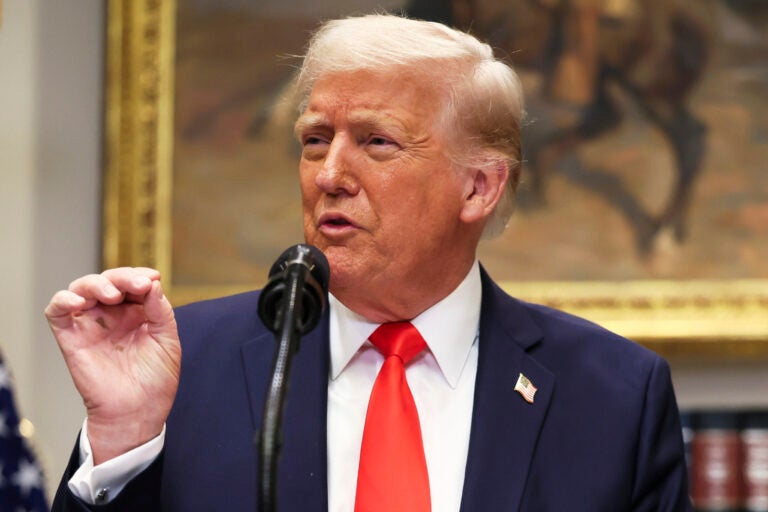
The ratification process has unfolded against a complex geopolitical backdrop. The agreement was signed in January after an extraordinary 25 years of negotiations, with renewed urgency emerging during the Trump administration's widespread use of tariffs and trade threats. As Senator Tereza Cristina noted during Brazil's legislative debate, "The world today is more fragmented, more sceptical, and more protectionist. This makes the agreement with our European partners even more relevant and even more necessary."
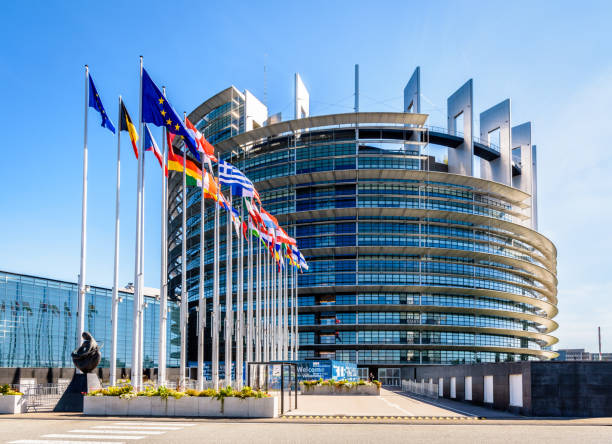
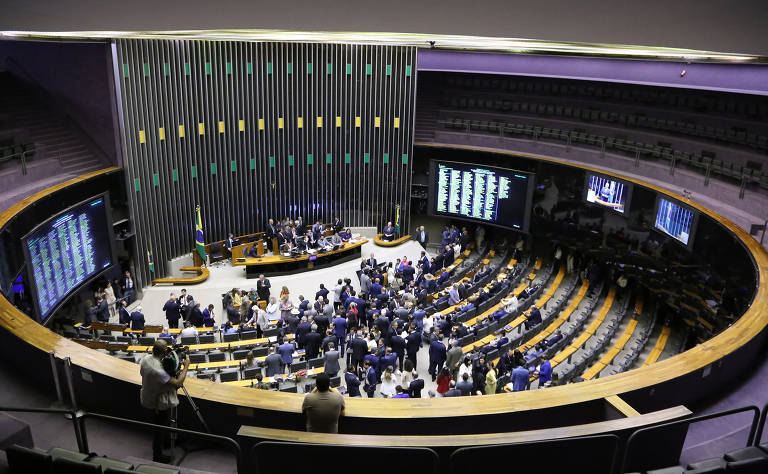
Brazil's Senate ratified the deal on March 4, 2026, following earlier approvals from Argentina and Uruguay. Paraguay remains the only Mercosur founding member yet to secure parliamentary approval. On the European side, the European Commission announced it would provisionally implement the agreement pending a ruling from the EU's top court regarding its legality. This provisional implementation has created diplomatic tensions, particularly with France, which has led opposition to the pact over concerns for its agricultural sector.
Controversies and Opposition
Despite its economic promise, the agreement has sparked significant opposition, particularly from European agricultural communities. Farmers across Europe have expressed concerns about being undercut by cheaper imports from South America, where different production standards and regulations apply. These concerns have manifested in protests, including tractor demonstrations in major European cities such as Paris, Brussels, and Warsaw.
The opposition centers on fears that South American agricultural products, potentially produced with pesticides banned in Europe or under different environmental and labor standards, could flood European markets at lower prices. This has created a political challenge for European governments attempting to balance the agreement's broader economic benefits with the legitimate concerns of domestic agricultural producers. The tension highlights the complex trade-offs inherent in modern international trade agreements between developed and developing economies.

Strategic Implications and Future Outlook
The Mercosur-EU agreement represents more than just an economic arrangement—it signifies a strategic realignment in global trade architecture. By creating this massive trade bloc, both regions are positioning themselves for greater economic resilience in an increasingly fragmented global trading system. The partnership offers diversification opportunities for supply chains and reduces dependency on other major economic powers.
Looking forward, the agreement's implementation will require careful management of the transition period, particularly regarding agricultural market access and regulatory harmonization. Success will depend on balancing the legitimate concerns of European farmers with the economic development needs of South American nations. The provisional implementation by the European Commission, pending judicial review, indicates both the urgency and complexity surrounding the agreement's final adoption.
As the world navigates shifting trade alliances and economic uncertainties, the Mercosur-EU partnership stands as a testament to the enduring value of multilateral cooperation. While challenges remain in its implementation, the agreement establishes a framework for enhanced economic integration between two major world regions, potentially serving as a model for future trade partnerships in an increasingly interconnected global economy.