Read on PBS News
Lunar New Year: A Global Celebration of Tradition and Renewal
The Lunar New Year, known as the Spring Festival in China and Tet in Vietnam, is the most significant annual holiday across East Asia and for diaspora communities worldwide. Marking the beginning of the lunisolar calendar, celebrations blend ancient customs with modern expressions, from temple prayers and family reunions to spectacular fireworks and, increasingly, technological displays. This article explores the core traditions, global reach, and contemporary adaptations of this vibrant festival that welcomes a new zodiac animal each year, fostering cultural continuity and community joy.
The Lunar New Year stands as the paramount cultural and familial holiday for billions of people across East Asia and in communities worldwide. More than just a calendar event, it is a profound period of renewal, reflection, and reunion, deeply rooted in agrarian traditions and cosmological beliefs. The festival, which marks the beginning of the lunisolar calendar, varies in date each year, typically falling between late January and mid-February. Each year is associated with one of twelve zodiac animals, cycling in a continuous sequence that adds a layer of symbolic meaning to the celebrations. This article delves into the essence of the Lunar New Year, examining its traditional practices, its significance as a global phenomenon, and how contemporary celebrations are evolving.

The Significance and Origins
The Lunar New Year's importance stems from its historical role as a marker of the agricultural cycle and a time to honor deities and ancestors. It is a period dedicated to wiping the slate clean, settling debts, and ushering in good fortune for the coming year. The central theme is the hope for prosperity, health, and happiness. As noted in coverage from the Associated Press via PBS, the holiday is "the most important annual holiday in China and some other East Asian nations and is celebrated outside the region, too." This underscores its dual nature as both a deeply national tradition and a transnational cultural export. The specific animal of the zodiac, such as the Horse, Snake, or Dragon, influences the character of the year and is incorporated into decorations, greetings, and cultural performances.
Core Traditions and Celebrations
While customs vary by country and region, several core traditions are nearly universal among celebrants. These practices are designed to attract good luck and ward off evil spirits.
Family Reunions and Feasting
The Lunar New Year Eve is arguably the most critical moment, centered on the family reunion dinner. This meal, often featuring symbolic dishes like fish (for abundance), dumplings (resembling ancient gold ingots), and longevity noodles, reinforces familial bonds. It is a time when travel networks across countries like China and Vietnam experience their peak annual volume, as people return to their ancestral homes.
Temple Visits and Prayers
Visiting temples to pray for blessings is a cornerstone of the celebration. As described in reports from Beijing and Hong Kong, thousands flock to temples at midnight or on the first day of the new year. They light incense sticks, make offerings, and bow in prayer for happiness and success. In Taipei, Taiwan, the solemn ringing of a temple bell 108 times—an auspicious number in Buddhism—marks the transition into the new year.
Cultural Performances: Lion and Dragon Dances
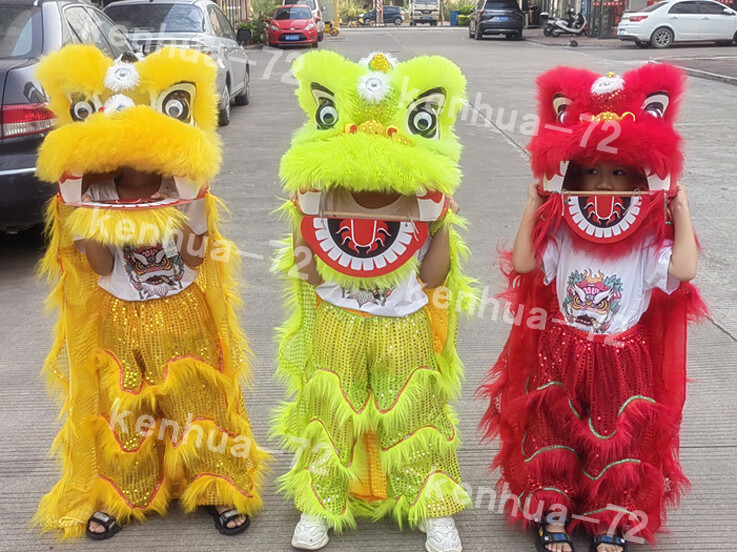
Vibrant performances are ubiquitous. The lion dance, performed by acrobatic dancers under an elaborate costume, is believed to bring good luck and scare away evil spirits. The dragon dance, involving a long, serpentine puppet manipulated by numerous performers, symbolizes power, dignity, and fertility. These dances are featured in public squares, shopping malls, and Chinatowns globally, from Singapore's Changi Airport to the streets of Kolkata, India.
The Lunar New Year as a Global Festival
The celebration's reach extends far beyond Asia, carried by diaspora communities and embraced by multicultural cities. Major events in global metropolises highlight its international appeal.
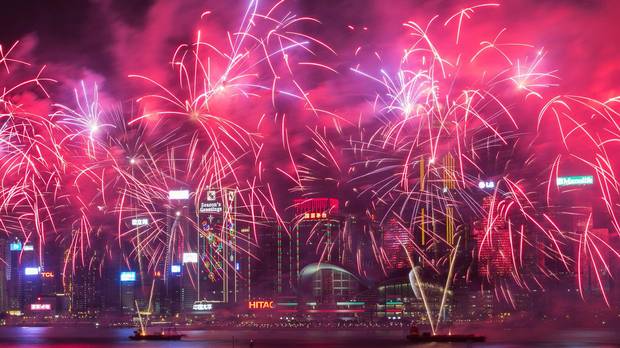
In Moscow, a two-week festival showcases Chinese culture with food stalls, red lanterns, and dragon decorations along snowy streets, reflecting warming diplomatic ties. Buenos Aires' large Chinese community, numbering over 180,000 people, hosts lively celebrations in Chinatown with dragon dances and martial arts demonstrations. Similarly, in San Francisco's historic Chinatown, residents mark the occasion with traditional fireworks, maintaining a century-old tradition in the United States.
Modern Adaptations and Contemporary Expressions
While deeply traditional, the Lunar New Year continually incorporates modern elements. Television remains central, with elaborate galas watched by hundreds of millions. Notably, these shows now feature cutting-edge technology. A recent CCTV Spring Festival Gala in China included a martial arts performance where humanoid robots from Unitree Robotics brandished swords and performed alongside children. This fusion highlights national advancements in robotics and AI, though it also sparks nostalgia, with some viewers feeling such displays "lack a bit of the New Year atmosphere" compared to the simpler galas of their childhood.

Other modern twists include LED dragon dances, as seen in Singapore, and large-scale public countdown events with pop music and light shows in Vietnamese cities like Hanoi and Ho Chi Minh City.
Conclusion
The Lunar New Year is a dynamic and resilient tradition that masterfully balances ancient customs with contemporary life. It serves as a powerful anchor for cultural identity for East Asian communities worldwide while offering a colorful, welcoming spectacle for global audiences. From the incense-filled temples of Beijing and Hong Kong to the fireworks over San Francisco and the robot-augmented stages of television studios, the festival embodies a universal human desire for renewal, good fortune, and communal joy. As it continues to evolve, the core spirit of family, respect for tradition, and hope for a prosperous future remains its enduring, unifying force.