Read on PBS News
NIH Director Takes on Dual Role as Acting CDC Head Amid Leadership Search
In a significant development for U.S. public health leadership, National Institutes of Health Director Jay Bhattacharya will also serve as the acting director of the Centers for Disease Control and Prevention. This temporary appointment, confirmed by an administration official on February 18, 2026, marks the third leadership change at the embattled CDC during President Donald Trump's second term. The move follows the abrupt firing of former CDC Director Susan Monarez and the reported departure of acting director Jim O'Neill, as the administration seeks a permanent, Senate-confirmed leader for the nation's top public health agency.
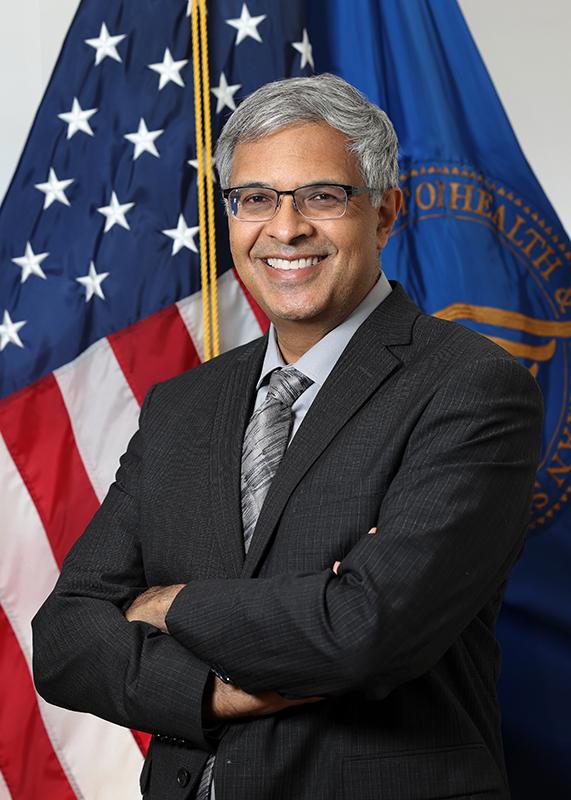
In a move that consolidates leadership at the apex of America's public health infrastructure, National Institutes of Health (NIH) Director Dr. Jay Bhattacharya has been tapped to also serve as the acting director of the Centers for Disease Control and Prevention (CDC). This dual-role appointment, confirmed by an administration official on February 18, 2026, represents a pivotal moment for two of the nation's most critical health agencies during a period of ongoing transition and scrutiny. The decision, first reported by The New York Times, places a health economist and former Stanford professor, known for his outspoken views during the COVID-19 pandemic, at the helm of the CDC on an interim basis while a permanent director is sought.
A History of Recent Turmoil at the CDC
Dr. Bhattacharya's appointment is the latest chapter in a series of leadership changes that have characterized the CDC during the Trump administration's second term. He becomes the third individual to lead the agency in this period, following a period of instability that began with the abrupt dismissal of his predecessor. The CDC, tasked with protecting national health security, has faced significant challenges in recent years, ranging from pandemic response to contentious debates over public health policy.
The Predecessors: Monarez and O'Neill
The leadership vacuum Dr. Bhattacharya is filling was created by a chain of events that started in the summer of 2025. Then-CDC Director Dr. Susan Monarez, a longtime government scientist confirmed by the Senate just weeks prior, was abruptly fired by Health Secretary Robert F. Kennedy Jr.. According to subsequent Senate testimony, Dr. Monarez stated her dismissal came after she refused to authorize changes to the childhood vaccination schedule requested by Secretary Kennedy without supporting scientific data. Following her departure, Deputy Health Secretary Jim O'Neill, a former investor with a different professional background, assumed the role of acting CDC director and oversaw the contested vaccine policy revisions before his own reported departure in February 2026.

Profile of the New Acting Director: Dr. Jay Bhattacharya
Dr. Bhattacharya brings a distinct profile to the CDC's top job. As the director of the NIH, he already oversees the world's largest public funder of biomedical research, a role that involves managing a vast portfolio of scientific grants and initiatives. His academic background is as a health economist and professor at Stanford University, where he gained national prominence as a vocal critic of government-mandated COVID-19 shutdowns and certain vaccine policies during the height of the pandemic. This perspective has often placed him at the center of public health debates.
Recent Congressional Testimony and Stances
Despite his past criticisms, Dr. Bhattacharya's recent statements to Congress have aligned with mainstream public health guidance on key issues. At a Senate hearing, he affirmed that childhood measles vaccination was "the best way to address the measles epidemic in this country" and testified that he had seen no scientific evidence linking any single vaccine to autism. These positions will be closely watched as he steps into an agency deeply involved in vaccination policy and public communication.
Implications and the Path Forward
The temporary nature of this appointment underscores the administration's stated intent to find a permanent director for the CDC, a position that, by law, requires confirmation by the U.S. Senate. This search process will unfold against a backdrop of ongoing public health challenges, including infectious disease threats and the implementation of revised health policies. Dr. Bhattacharya's dual leadership role creates a unique, if temporary, nexus between the NIH's research mission and the CDC's operational public health focus, potentially allowing for closer coordination between basic science and applied disease prevention.

In conclusion, the appointment of NIH Director Jay Bhattacharya as acting head of the CDC marks a significant interim solution during a period of leadership transition for America's premier public health agency. It places a figure with a strong, and sometimes controversial, academic perspective into a powerful operational role. The effectiveness of this arrangement and the subsequent selection of a permanent director will be critical factors in shaping the CDC's direction, its public credibility, and its capacity to respond to future health crises. The nation's public health infrastructure awaits the next steps in this ongoing search for stable, science-driven leadership.