Scientists Discover a Potential Achilles' Heel in the Deadly Fungus Candida auris
Researchers from the University of Exeter have identified a critical vulnerability in Candida auris, a deadly, drug-resistant fungus that has forced hospital ICU closures worldwide. Using a novel living-host model with Arabian killifish larvae, scientists observed the fungus activating specific genes to scavenge iron during infection. This discovery of its nutrient-hunting mechanism could pave the way for new antifungal treatments or the repurposing of existing drugs, offering a glimmer of hope against a pathogen responsible for a 45% mortality rate in vulnerable patients.
In the high-stakes battle against hospital-acquired infections, a formidable and elusive enemy has emerged: Candida auris. This deadly fungus, resistant to nearly all available antifungal drugs, has become a global health threat, capable of shutting down intensive care units and claiming the lives of nearly half of the infected patients. For years, its defenses seemed impenetrable. However, a groundbreaking study led by researchers at the University of Exeter has potentially uncovered a critical weakness in this pathogen's armor. By developing a novel living-host model, scientists have, for the first time, watched Candida auris in action during an active infection, revealing the genetic mechanisms it uses to survive. This insight could be the key to developing desperately needed new treatments.
The Formidable Threat of Candida auris
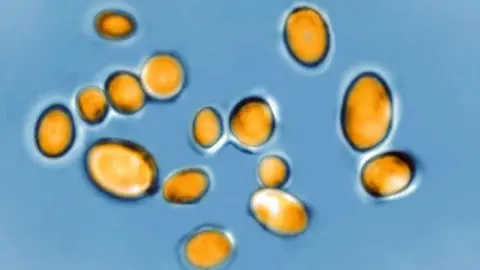
First identified in 2008, the origins of Candida auris remain shrouded in mystery. What is unequivocally clear is its devastating impact. The fungus poses an extreme danger to critically ill patients, particularly those on ventilators in hospital ICUs. While it can colonize skin without symptoms, an active infection is often a death sentence, with a mortality rate of approximately 45%. Its most alarming feature is its multi-drug resistance; it is resistant to all major classes of antifungal medications, making outbreaks incredibly difficult to contain and treat. This has led to its designation as a critical priority pathogen by the World Health Organization (WHO).
A Breakthrough in Research Methodology
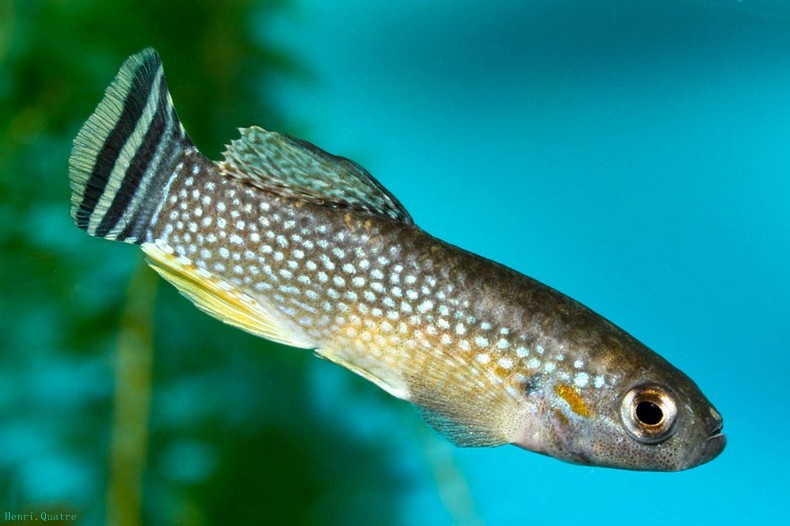
One of the primary obstacles in combating Candida auris has been the difficulty of studying it effectively. Its ability to thrive at high temperatures and tolerate salty environments made traditional laboratory models inadequate. To overcome this, the Exeter research team, supported by Wellcome, the MRC, and the NC3Rs, pioneered a new approach. They developed an infection model using the embryos of Arabian killifish (Aphanius dispar), which can survive at human body temperatures. This innovative model, detailed in the journal Communications Biology, allowed for the first-ever real-time observation of the fungus's genetic activity within a living host.
Uncovering the Fungus's Achilles' Heel
Using this killifish model, the researchers made two pivotal observations. First, they confirmed that Candida auris can form elongated, thread-like structures called filaments during infection, which may help it search for nutrients. More importantly, by analyzing gene expression, they identified which genes were switched on. The analysis revealed that the fungus activates genes responsible for producing specialized nutrient pumps. These pumps are designed to scavenge for iron-scavenging molecules (xenosiderophores) and transport the crucial iron into the fungal cells.
Iron is an essential nutrient for survival, and this active hunting process represents a potential vulnerability. As co-senior author Dr. Rhys Farrer explained, this discovery not only hints at a possible environmental origin in an iron-poor setting like the ocean but, more critically, "gives us a potential target for new and already existing drugs." The research suggests that if this same iron-scavenging activity is confirmed during human infection, drugs that disrupt this process could be effective.
The Path Forward: From Discovery to Treatment
The findings from this study, while preliminary, open a promising new avenue in the fight against a lethal superbug. The immediate next step is to verify whether this iron-acquisition mechanism is active during infections in humans. If confirmed, the strategy could involve two paths: developing entirely new antifungal drugs that specifically target these nutrient pumps, or repurposing existing drugs known to interfere with similar iron-scavenging pathways in other pathogens.
Dr. Hugh Gifford, who co-led the study and works as an ICU physician, emphasized the clinical urgency: "We have drugs that target iron scavenging activities. We now need to explore whether they could be repurposed to stop Candida auris from killing humans and closing down hospital intensive care units." This research exemplifies how innovative scientific models can reveal fundamental biological weaknesses, turning the tide in our ongoing battle against drug-resistant infections.