Read on foxsports.com
Judge Orders Hearing in Sherrone Moore Case, Citing Potential Rights Violation
A Michigan judge has granted a hearing to examine the investigation against former University of Michigan head football coach Sherrone Moore, expressing concern that his due process rights may have been violated. Judge J. Cedric Simpson cited a 'glaring omission' in the arrest warrant affidavit regarding Moore's professional relationship with his executive assistant, the complainant in the case. This development represents a significant procedural victory for Moore's defense as they seek dismissal of felony home invasion, stalking, and illegal entry charges stemming from a December 2025 incident. The hearing, scheduled for March 2, 2026, will allow the court to hear testimony from police and other witnesses about the investigation's conduct.
A significant legal development has emerged in the case against former University of Michigan head football coach Sherrone Moore. On Tuesday, February 17, 2026, Judge J. Cedric Simpson granted a defense request for an evidentiary hearing, expressing direct concern that Moore's constitutional rights may have been violated during the investigation that led to his arrest and criminal charges. This procedural ruling marks a pivotal moment in a case that has captivated the college football world, intertwining professional sports, employment relationships, and criminal justice procedures.
The Core Legal Issue: A "Glaring Omission"
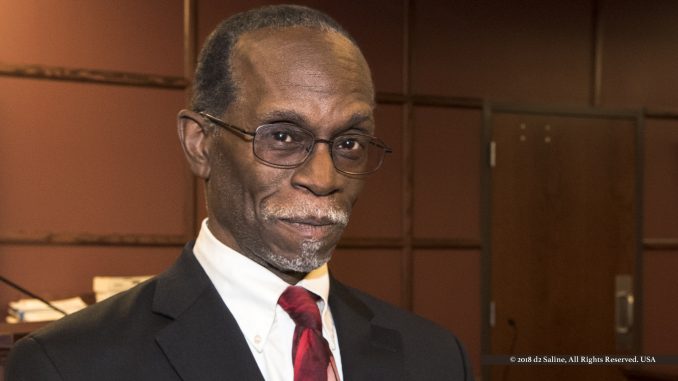
At the heart of Judge Simpson's decision is what he termed a "glaring omission" in the affidavit used to secure an arrest warrant for Moore. According to court proceedings reported by The Associated Press via FOX Sports, the judge noted that a police detective failed to disclose the employer-employee relationship between Moore and the woman at the center of the case—his former executive assistant. This professional context was absent when a magistrate authorized the warrant for Moore's arrest on charges of felony home invasion, stalking, and illegal entry.
"Defendant's due process may have been violated," Judge Simpson stated explicitly in court. He emphasized that the magistrate "should have been able to look at that" professional relationship when evaluating the warrant request. The judge further clarified that "This was not solely this personal relationship," indicating that the omission of professional context potentially skewed the magistrate's understanding of the circumstances surrounding the alleged December 10, 2025 incident.
Background of the Case and Allegations
Sherrone Moore, 40, was arrested shortly after being fired from his position as Michigan's head football coach. The charges stem from an alleged incident on December 10, 2025, where Moore is accused of entering his former executive assistant's apartment without permission and threatening to kill himself in front of her. According to authorities, Moore allegedly stated that the woman was to blame for him losing "one of the top college football jobs in the country" after she had spoken to university officials about their relationship.
The personal relationship between Moore and the woman had ended several days before his firing, according to police accounts. Investigators noted that the woman did not answer approximately a dozen calls or respond to some text messages from Moore in the period leading up to his dismissal. Moore's defense attorney, Ellen Michaels, has argued that this level of communication was reasonable given Moore's professional responsibilities, stating "It's not stalking if the communication has a legitimate purpose" while Moore was preparing his team for a bowl game.

Defense Strategy and Prosecution Response
Moore's legal team, led by attorney Ellen Michaels, has characterized the hearing as a crucial step toward their ultimate goal of having the case dismissed. Michaels has made additional allegations beyond the procedural concerns, accusing the complainant's personal lawyer of providing information to police specifically to "villainize Mr. Moore and maximize the chances of obtaining a large settlement from the deep pockets of the University of Michigan."
The prosecution, represented by Washtenaw County assistant prosecutor Kati Rezmierski, opposed the hearing, arguing that it was unnecessary and would fall outside the judge's discretion. This opposition was overruled by Judge Simpson, who scheduled the hearing for March 2, 2026, where police and other witnesses will provide testimony about the investigation's conduct.
Broader Context and Implications
Sherrone Moore's case unfolds against the backdrop of significant transition for Michigan football. Moore coached the Wolverines for two seasons as the successor to Jim Harbaugh, who left after winning a national championship to coach the NFL's Los Angeles Chargers. Kyle Whittingham, who coached at Utah for two decades, has since been appointed as Michigan's new head coach.
The legal proceedings raise important questions about how investigations handle complex relationships that involve both personal and professional dimensions. Judge Simpson's focus on the "glaring omission" of the employer-employee relationship suggests that courts are increasingly attentive to the full context in cases involving workplace dynamics, especially in high-profile positions like college football coaching.

Conclusion: A Pivotal Hearing Ahead
The March 2 hearing represents more than just a procedural step in Sherrone Moore's criminal case—it serves as a test of how investigative procedures account for complex relational dynamics in high-stakes environments. Judge Simpson's concerns about potential due process violations highlight the judiciary's role in scrutinizing how evidence is presented to magistrates during warrant proceedings. As this case continues to develop, it will likely influence how similar investigations are conducted in the future, particularly those involving prominent figures in collegiate athletics where personal and professional boundaries frequently intersect. The outcome of this hearing could significantly shape the trajectory of the entire case against the former Michigan coach.