Chicago Bears' Stadium Saga: Indiana's Legislative Move Opens Door to Potential Relocation
The Chicago Bears' decades-long search for a new stadium has entered a critical new phase. Indiana lawmakers have unanimously passed legislation creating a framework to potentially lure the NFL franchise across the state line. This development marks the most significant step yet in the Bears' efforts to secure a modern, domed stadium, setting up a potential interstate competition with Illinois. The move could reshape the regional sports landscape and end the team's long tenure at Soldier Field, with implications for fans, local economies, and the team's future.
The Chicago Bears, one of the NFL's founding franchises, have taken their most concrete step toward potentially leaving Illinois after more than a century. On February 19, 2026, the Indiana House Ways and Means Committee unanimously approved an amendment to State Bill 27, creating a legal and financial pathway for the Bears to build a new, domed stadium in Hammond, Indiana. This legislative action represents a pivotal moment in a complex, multi-year stadium saga that pits two states against each other in a battle for a major professional sports franchise and the economic benefits it brings.

The Indiana Legislation: A "Meaningful Step" Forward
The approved amendment to Indiana Senate Bill 27 establishes the Northwest Indiana Stadium Authority. This new public entity would have the power to issue bonds, acquire land, and finance construction for a potential Bears stadium. The Bears organization immediately hailed the move, stating in an official release that it "would mark the most meaningful step forward in our stadium planning efforts to date." The team expressed appreciation for the leadership of Governor Mike Braun, Speaker Huston, Senator Mishler, and the Indiana General Assembly in establishing this critical framework.
The proposed site is near the Wolf Lake area in Hammond, Indiana—a region that straddles the Illinois-Indiana border along Interstate 90, approximately 25 minutes south of the Bears' current home at Soldier Field. Governor Braun emphasized Indiana's "pro-growth environment" on social media, noting the state had identified the Hammond site and established a broad negotiation framework, contingent on successful due diligence.
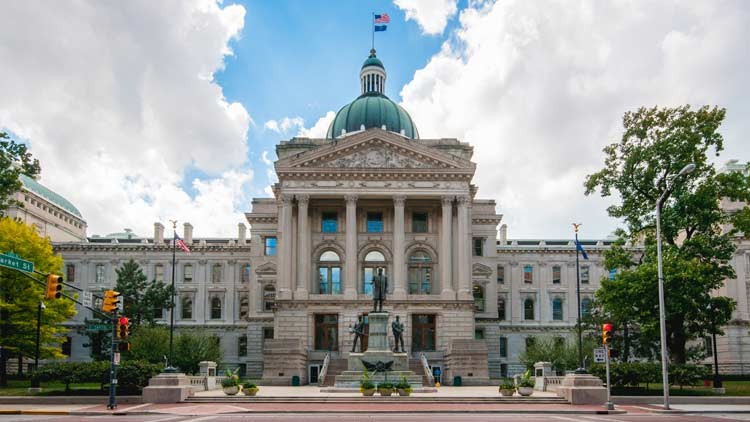
The Illinois Context and Stalled Negotiations
This Indiana move comes amid stalled negotiations in Illinois. The Bears had been actively seeking legislation in Springfield that would allow the team to negotiate tax payments with local governing bodies instead of paying full property taxes on a new stadium development. The team's previous focus was a 326-acre property it purchased in Arlington Heights, Illinois, where it planned to invest $2 billion in stadium construction while seeking an estimated $850 million in public funding for essential local infrastructure.
An Illinois House panel hearing on such legislation was scheduled for the same day as the Indiana vote but was canceled. A spokesperson for Illinois Governor J.B. Pritzker expressed surprise at the Bears' statement lauding Indiana, noting that "Illinois was ready to move this bill forward" after a productive three-hour meeting the previous day, and that the Bears themselves had requested the pause to make further tweaks.
Implications and Next Steps
The Bears' current lease at Soldier Field, which is owned by the City of Chicago, runs through 2033. A move to Indiana would require negotiating an exit from this agreement. The potential relocation raises significant questions about fan access, regional identity, and economic impact. A domed stadium in Northwest Indiana would offer weather-protected games and potentially host major events like Super Bowls and Final Fours, which Soldier Field cannot.
The Bears' statement indicates the team is now committed to completing "remaining site-specific necessary due diligence" for the Hammond location. The passage of SB 27 provides the legal scaffolding, but final agreements, financing details, and construction timelines remain to be negotiated. This development undoubtedly increases pressure on Illinois officials to present a more compelling counter-offer if they wish to keep the storied franchise within state borders.

In conclusion, the unanimous vote in Indiana represents a tectonic shift in the Chicago Bears' stadium saga. It transforms the team's search from a theoretical discussion into a tangible, legally-supported option outside Illinois. While significant hurdles remain, including due diligence and final negotiations, the framework now exists for the Chicago Bears to potentially become a regional team with a home in Indiana. This move sets the stage for a high-stakes competition between two states, with the future home of one of football's most historic franchises hanging in the balance.