Read on nature.com
Is It Time to Ditch the DSM? Why the 'Bible of Psychiatry' May Be Missing the Mark
The Diagnostic and Statistical Manual of Mental Disorders (DSM) has served as psychiatry's diagnostic 'bible' for over 70 years, but its latest updates continue to face significant criticism. This article explores why many experts argue that focusing on symptom lists and diagnostic labels fails to address the root causes of mental distress. Instead, a paradigm shift toward understanding individual care needs, social contexts, and developmental vulnerabilities may offer a more effective path to improving mental health outcomes and providing meaningful support.
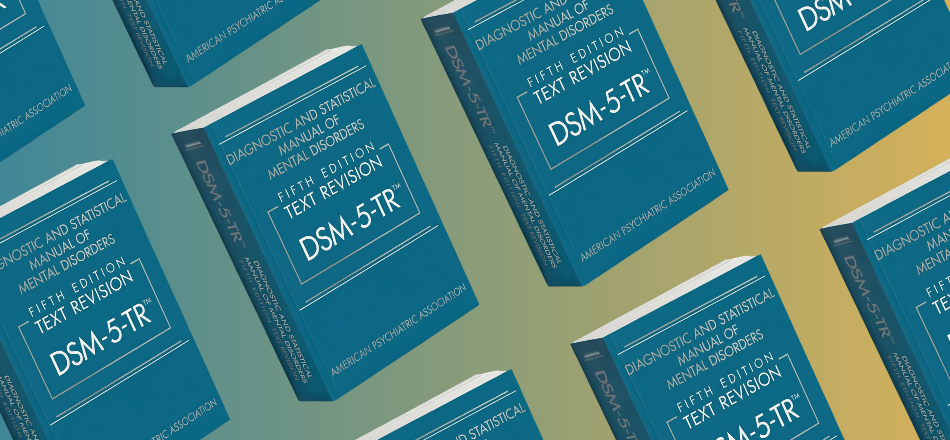
For more than seven decades, the Diagnostic and Statistical Manual of Mental Disorders (DSM) has been the cornerstone of psychiatric diagnosis. Published by the American Psychiatric Association (APA), this manual provides the criteria for diagnosing conditions ranging from autism to personality disorders. However, as the APA announces further updates to address long-standing critiques, a fundamental question arises: are we merely polishing a flawed system? Many mental health professionals and advocates argue that the DSM's core approach—categorizing human distress into discrete diagnostic boxes—is inherently limited and may even hinder effective care.
The Flawed Foundation of Diagnostic Labels
The primary criticism of the DSM is its reductionist nature. It attempts to capture the complex, subjective experience of mental distress through standardized symptom checklists. This medical-model approach often overlooks the social, environmental, and cultural contexts that significantly contribute to psychological suffering. For instance, research indicates that indicators of poor mental health, such as persistent sadness or suicidal thoughts, are strongly correlated with social inequality, educational pressure, and other systemic stressors. By framing these issues primarily as individual medical disorders, the DSM can inadvertently divert attention and resources away from addressing these foundational societal problems.
Furthermore, diagnostic labels can be imprecise and unhelpful. Two individuals receiving the same diagnosis, such as major depressive disorder, can have vastly different life experiences, vulnerabilities, resources, and needs. The label itself tells a clinician little about what specific support a person requires to recover a sense of agency and hope. This one-size-fits-all categorization fails to account for human uniqueness and the multifaceted nature of mental well-being.

A Proposed Shift: From Diagnosis to Care Needs
If the basic logic of the DSM is flawed, what is the alternative? Leading critics advocate for a fundamental paradigm shift. Instead of asking "What disorder does this person have?" the focus should be on "What does this person need?" This alternative framework would analyze an individual's mental experiences within their full context, considering their unique developmental history, strengths, vulnerabilities, and social environment.
The goal would no longer be to assign a diagnostic label but to create a personalized map for recovery. This map would identify the specific types of support, therapeutic relationships, skill-building, and social connections most likely to help a person regain coherence and a positive sense of the future. It moves psychiatry from a pathology-centered model to a needs-centered, strengths-based model.
Illustrating the Contrast in Practice
Consider a person experiencing paranoia, hearing voices, social withdrawal, and cannabis use. Under the current DSM-driven system, they would likely receive a diagnosis of schizophrenia or a related psychotic disorder. Treatment would typically be channeled toward antipsychotic medication and, if accessible, individual psychotherapy.
Under a care-needs model, the approach would be more holistic and tailored. The clinical focus would be on understanding the function of each experience. The person might be offered support for substance regulation to reduce harm, assistance in rebuilding trusting and safe relationships, connection to a peer-support group for shared experience, and help with sleep hygiene. The intervention is defined not by a label but by the individual's specific challenges and goals.

The Road Ahead for Mental Health Care
The APA's proposed updates, including plans to incorporate biological and cultural data, are a recognition of the manual's limitations. However, many experts view these changes as insufficient tinkering. With roughly 25% of the population in some countries meeting criteria for a mental disorder, the stakes for effective care are incredibly high. The future of mental health may depend less on refining diagnostic categories and more on dismantling the diagnostic-centric system altogether.
Embracing a model that prioritizes individual care needs over standardized labels represents a significant challenge. It requires retraining clinicians, redesigning healthcare funding and insurance structures currently tied to diagnoses, and fostering greater humility in the face of mental suffering's complexity. Yet, the potential reward—a mental health system that truly helps people build better lives, not just manage symptoms—makes this evolution essential. The question is no longer just about updating the DSM's content, but about whether its very role has become obsolete in the pursuit of genuine healing.